Home Blog Page 152

The only company that can compete head to head with YouTube

Twitch, YouTube

Although people have suspected that YouTube’s main competitor would eventually be Facebook — i.e., the other half of the advertising duopoly — the only company poised to seriously compete with YouTube is Twitch.

And it’s not just about gaming content. Twitch is poised to compete across all categories. Other potential competitors, like Twitter, Snapchat or even Netflix, fundamentally lack key features required to take a bite out of YouTube’s pie.

In order to compete with YouTube, a platform requires two things: monetization tools for creators and viewers hungry for content.

Facebook tried and failed

Facebook, and by extension Instagram, has been everyone’s expectation for the company most likely to eventually compete with YouTube in the online video sphere. After all, Facebook and Google make up the two halves of our global advertising duopoly. Both have businesses built almost entirely around capturing attention and serving ads.

Yet Facebook has failed to draw both viewers and creators to their long-form video platforms.

It’s easy to point to the public’s distrust of Facebook and their cavalier attitude about privacy as the source of their failure. That may be part of why Facebook failed, but the real problem lies in advertising greed. Facebook has shown that they prioritize revenue over everything (including democracy itself). There’s little chance they’ll ever launch an advertising product that shares any revenue with everyday creators, something YouTube has offered for over a decade.

Of course, Facebook has other problems as well, namely their user behavior and miserable search. First, Facebook users spend a lot of time on Facebook, but they generally aren’t there for long-form video content. But even if they were, they wouldn’t be able to find it. Part of YouTube’s success was built on the fact that they are a highly-functional search engine — the world’s second largest. Facebook has a hard time helping users find their own historical posts, let along high-quality video content on such obscure topics as Subaru repair or master-level chess strategy.

Instagram’s IGTV has potential; it’s great for consuming video but suffers from the same problems as the rest of Facebook: poor search and a lack of monetization for creators.

Twitter and Snapchat are too different on a fundamental level

Twitter and Snapchat seem like they could be YouTube competitors, but they have even bigger problems. Not only do they lack robust search and refuse to share their ad revenue, they also have a mobile-first mentality — a hard sell for users who want to watch long-form content.

Netflix doesn’t need that much content

Netflix has a big audience interested in long-form content; maybe they could compete with YouTube. Theoretically, they could share subscription revenue with creators based on watch time. It’ll never happen though, unfortunately, since unlike YouTube, they don’t need viewers to spend a lot time watching video. Netflix only needs to keep viewers interested enough to keep paying their monthly bill. In Netflix’s ideal world, they’d have one cheap-to-make show and billions of people paying $11 a month, only to never actually watch it.

Twitch is the only viable competition

Twitch on the other hand is in a great position to compete. They’ve demonstrated they can attract creators with robust monetization tools; enough that YouTube has had to play catch-up. They’re also able to attract viewers hungry for long-form content. (The average Twitch viewer spends 95 minutes watching every day). Originally only a live site, they now allow creators to upload pre-edited content. Also originally for gamers, Twitch is slowly evolving to appeal to non-gamer categories like talk shows, art and food.

There are three things holding Twitch back from competing with YouTube in a big way. First is the dominance of gaming content. Twitch is taking steps to be more inclusive toward non-gaming content, but they still primarily feature games on their homepage. Plus, gaming is still the only category that is split up with extreme granularity — not only into gaming sub-genres but by individual game. The equivalent for a category like talk shows might be not only a Politics Talk category but also a Healthcare Policy Talk category.

Considering the relative popularity of gaming on Twitch, I don’t blame them for skewing their categories heavily toward games, but it does reinforce the perception that Twitch is a gamers-only video streaming platform.

The second is the lack of depth in their content library. YouTube has 13 years of videos that are all searchable. As of this writing, you simply won’t find any content on Twitch about how to change the oil in your 2012 Subaru Forester, nor on many other obscure topics.

Finally, there’s search, though in this case, it’s a minor problem because the content you need search for — highly obscure topics — isn’t there yet.

The good news is it’s almost certain that these things will change. As more non-gaming creators move toward Twitch for the robust monetization tools, more viewers will follow and eventually, the perception about what Twitch is will change. In doing so, these creators will save more recorded videos, which users will then go looking for. The whole thing will snowball, as more viewers attract more creators, which subsequently attract more viewers.

All this is great for YouTube fans and creators, as the competition will lead to more innovation and improvements on both sides. To those who aren’t males between ages 18 and 34, Twitch may seem alien or even unwelcoming, but there’s a good chance that won’t be the case for long.

Major Success with Sketch Comedy: A Conversation with Studio C

We had a chance to sit down with two cast members, Tori Pence and Dalton Johnson, to learn more about the inner-workings of Studio C, their thoughts about YouTube sketch comedy and advice for YouTubers trying to create a successful comedy channel. We then caught up with them and a few other cast members at the red carpet of a Studio C live taping in Hammerstein Ballroom in NYC on August 24th. The event was hosted by Emmy award nominee and Saturday Night Live cast member Kenan Thompson, who also shared his thoughts with us about the Studio C cast and his experience working with them.

Studio C
Subscribers: 1,955,884
Uploads: 868
Video Views: 1,489,415,563
Channel Type: Comedy
User created: Dec 4, 2008

So how did Studio C get so popular, and how can you follow suit?

Origin Story

Since their launch in October 2012, Studio C has amassed almost 2 million subscribers and 1.5 billion views, and they’re showing no signs of slowing down. In fact, they finished their 9th season earlier this year, and announced a 10th season at their live NYC event.

Studio C was born out of Brigham Young University sketch comedy team Divine Comedy. Divine Comedy had been a staple at BYU since 1994, and the group eventually started posting their sketches on YouTube. But in 2010 when they released a music video entitled “Provo Utah Girls,” a spoof of Katy Perry’s “California Girls,” things took an unexpected turn. The video received over a million views, completely topping their average view count of around 14,000 and bringing them into the internet spotlight.

Their videos garnered attention not just from the BYU and broader Church of Jesus Christ of Latter-day Saints community — the LDS church owns BYU — but from the public at large. People found their sketches hilarious and were particularly happy at how family friendly the comedy was.

“Matt (Meese) and Jared (Shores), the Studio C’s creators and original cast members, saw that Divine Comedy was speaking not just to college kids at BYU but audiences of all ages and from all over the country,” Dalton remarked when we first sat down. “They saw an opportunity and were driven to share Divine Comedy’s humor with as many people as possible.

“They wanted, and we still want, the whole family to be able to enjoy our work. The more accessible it is, the more people end up watching it! It seems obvious, but we hit on something that worked for both kids and adults. Why cut your audience in half by adding content that might not be suitable?” It was a business decision too, Dalton told me. “It was different from what was already out there — most comedy channels compete on adult humor. And that’s not to say that we cater to little kids, because we don’t. But we do make our sketches available to them. We write for the adults, but in a way that doesn’t exclude kids, so kids watch us too.”

And how did Dalton and Tori end up on Studio C? “Everyone on the show is, at some point, a member of Divine Comedy,” Tori explained. “Dalton and I were both part of it during our time at BYU, but we had already both graduated and were working when Matt and the team reached out to us and asked us to join. I was working in a library and Dalton was at a sub shop.” Dalton chimed in. “Both of us had been into comedy since we were younger, so this was an opportunity to join an amazing, creative and hilarious cast and work on our craft.”

The cast, Tori and Dalton included, had a variety of backgrounds. For example, Matt, one of the founding members, was a psychology major. Others studied Spanish. Still others majored in theater or film. I was curious — how does such an eclectic group come up with such consistently incredible content? What was their process?

Great Comedy is a Group Effort

Studio C posts 2–3 sketch videos a week, many of which are quite different in style and content but all of which do really well. It’s not easy coming up with so many successful sketches, so where do all the ideas come from? “The writer’s room,” Tori and Dalton both answered almost in unison. Tori clarified, “cast members are asked to come to the writer’s room with first drafts of their own, original sketches. And sure, sometimes we bounce ideas off one another, but most sketches start out as purely our own since we draw from personal experiences.”

Once ideas are shared in the writer’s rooms, the editing begins. Tori explained, “After first draft edits, we bring them back if they are ready for peer [review] and approval. Very often, though, even second drafts maybe not be quite right, so another cast member might take a crack at editing together with the original writer. In the end it’s very much a team effort. After the writing is over, though, there is usually a lot of lead time in terms of the final product. For example, we’re already talking about writing sketches for the 2020 summer Olympics.”

But writing is not the whole story. “There are so many people involved in production, and the final product isn’t just a written sketch. Jokes are told through wardrobe, set design, music, lighting and more. Each crew member contributes and they’re all funny in unique ways. And of course there’s the editing — you don’t think about how much that has to do with telling the joke, especially with off-stage sketches. The joke very much depends on who is doing the editing.”

“It’s a big trust exercise,” Tori continued. “Everyone feels connected to their work and has a stake in the final product, so individual egos are always checked at the door. In other words, the joke is king.”

Despite the teamwork, each cast member goes through individual challenges. For Dalton, writing, not editing or acting, is the most difficult part of the process. “Writer’s block and deadline anxiety are very real for me — it’s challenging and frustrating. But when the script works, I’m so proud. When you know that your script was the foundation of a video, it’s an irreplaceable feeling.”

Tori felt the same. “I always liked performing and acting, especially with live audiences that I get to communicate with in real time. I always thought I wasn’t too good at writing, so it’s really cool and encouraging for me to look back and see my sketches doing well!”

Photo credit: Theo Wargo 2018 Getty Images
Photo credit: Mike Coppola 2018 Getty Images

BYU to NYC

Despite Tori and Dalton’s humble qualities, it was evident that they weren’t just doing “well;” they were crushing it. So much so that a few weeks after we spoke, they would be heading on stage in New York City’s Hammerstein Ballroom — a 12,000-square-foot ballroom in the heart of Midtown Manhattan. Tickets were going fast, they were going to their very first red carpet, and the show was to be hosted by emmy-nominated Kenan Thompson.

What was the motivation behind this show in NYC? “It’s a love letter to all our fans,” they told me. “We’ve been in Utah this whole time but we have fans from all over, so we decided to come out to the east coast. We knew it’s also the home of SNL, and that challenged us to be even more creative for our audience.”

And a love letter it was.

We got to the venue at 4:30 and checked in with the press table. There was already a long line of VIP pass-holders young and old, eagerly awaiting to meet their beloved Studio C cast members. These fans didn’t seem to mind standing outside on one of the busiest intersections in all of Manhattan in the sweltering heat.

When the red carpet kicked off at 5PM, we saw Dalton and Tori walking with Adam Berg, another cast member who we hadn’t yet had a chance to speak to. It was Dalton’s first time in NYC. “I am not disappointed,” he said with a smirk. “It’s really fun and there’s a great energy to the city.”

“Everything is just bigger and better in New York City,” exclaimed Adam. “Yes! Yes!” chimed in Tori.

We were interested in their experience working with Kenan Thompson, an industry veteran. “You can tell he’s been doing this for a really long time, because he reads the script on the teleprompter like a speed reader! He’s been so great and incredibly nice,” Adam told me. Dalton added, “it’s fun seeing his style because he brings something so different to the table than we do yet he caught on so quickly and was able to improvise and adapt to our style on the spot.”

Tori, Dalton and the rest of the Studio C cast walked the red carpet with comedy veteran Kenan Thompson for their live comedy show at Hammerstein Ballroom in NYC. Photo credit: Theo Wargo 2018 Getty Images

What was in store for the audience that night? “The people should expect a lot of…” Adam trailed off, but Dalton jumped in: “jokes!” The three of them broke out into laughter. “It’s a party!” said Tori excitedly. “Are you having fun? We’re having so much fun, and we hope the audience will, too!”

As Tori, Dalton and Adam walked off the red carpet, we got to exchange a few words with long-time Studio C cast member Natalie Madsen. “It’s been a fun experience. I started with Studio C way in the beginning, so it’s crazy to be here in New York, working with Kenan. He’s been so kind, so chill. I’ve watched him since I was a kid when he was on All That and Kenan and Kel, and now every week on SNL, so it’s been surreal. I’m such a fan!”

After the Studio C cast and crew made their way off the red carpet, we got a chance to ask Kenan a few questions, too. “[Studio C] can entertain whoever is watching,” he told us. “They’re living the true formula of setup and punchline, and because they’re smart about it, they can cycle that formula over and over again and it’s going to work.” One of the things Kenan was most impressed with was Studio C’s ability to keep their comedy free of vulgarity while staying incredibly funny and fresh. “They’re able to keep it in a real place. Like, what if this was really happening? How would you laugh at that situation in real life as opposed to wanting to see something more grotesque or raunchy? Their sketches aren’t ‘leaving anything out’ — they just don’t need it. They’re hilarious just as they are.”

Photo credit: Mike Coppola 2018 Getty Images

The interviews came to an end, and in a few hours, we got a chance to see Studio C’s live performance. It was brilliant to say the least. They poked fun at New York’s idiosyncrasies, touched on both serious and light-hearted topics, and kept the audience laughing and engaged the entire time. Despite it being their first time in front of an audience this large, the cast and crew looked comfortable — a testament to their professionalism and confidence in their success.

Studio C’s Advice to fellow Comedy YouTubers

With the announcement of their tenth season and successful live event in America’s theater capital, Studio C will continue to make hilarious and brilliant sketches for millions of viewers across the country and likely the world. Tori and Dalton, imparted some wisdom to comedy writers and aspiring YouTubers.

Photo credit: Theo Wargo 2018 Getty Images

“First and foremost, respect your audience,” replied Dalton, almost immediately. “We focus on kid-friendly comedy because we want to make something the whole family will enjoy. But we never assume that kids won’t “get” our jokes — kids understand more than you think, so we write and perform at the top of our intelligence and therefore entertain them at the top of theirs. And we don’t talk ‘down’ to our younger audiences — we want our viewers to appreciate the fact that we trust them to understand our jokes. This goes for adults, too, by the way.”

“I can’t remember where I heard this, but it always stuck with me: the best way to get good ideas is to get a lot of ideas,” chimed in Tori. “Write constantly and work on what you’ve written. Rinse. Repeat. And remember that your experiences are valid. My life is definitely weird, and that’s exactly what I write about. Improv works great, too — a lot of characters and storylines come from the crew goofing around and improvising with one another.”

Dalton agreed, adding that comedians should be open to different comedy media and not just stick to how they were introduced to comedy initially. “I wanted to have a comic strip when I was younger, but with newspapers fading in popularity, I shifted my focus to sketch writing and haven’t looked back. Now that’s my career.”

Photo credit: Mike Coppola 2018 Getty Images

And as for aspiring YouTubers, Dalton and Tori stressed that the time will never be just right, so you just have to go for it. “You’ll never feel completely ready to launch your channel, so just set a deadline and do it. Make something and show it to the world. You’re going to learn so much just by getting out there — there’s no failed opportunity when you’re learning.

“Plus,” added Tori, “you don’t need a special degree or a ton of public speaking skills to talk into a camera. That’s what’s so freeing about YouTube. If you’re passionate about something and willing to put in the work, you’ll be successful.”

Their final piece of advice? “Just have a good time. Enjoy it.”

Catch Studio C Live from NYC and the Season 9 premiere on September 10th on BYUtv.

Get YouTuber.

Life with Feet: Using YouTube to Tell Stories About Life Without Arms

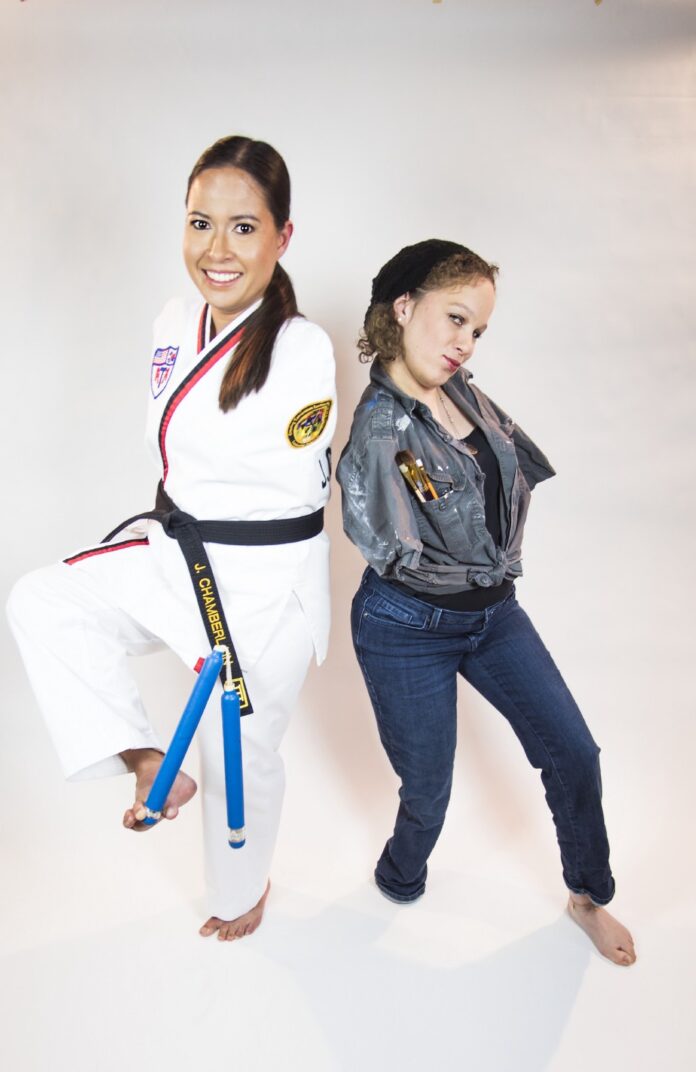
Jessica Cox and Tisha Wexstten are two YouTubers who have a unique connection. They recently started a channel together called Life with Feet (formerly Toe Talks) where they share their stories about navigating the world without arms.

Life With Feet
Subscribers: 7,776
Uploads: 26
Video Views: 993,027
User created: August 15th, 2017

Both women have developed many creative ways to accomplish the seemingly everyday tasks that other people might take for granted. Through Life with Feet, they’re sharing their experiences and showing their growing audience that with the right attitude, nothing can hold you back.

Jessica and Tisha were both using YouTube for years before Life with Feet. Jessica is a motivational speaker and her personal channel features videos of her flying a plane and surfing. Tisha is currently a college student studying graphic design. She has her own channel called Tisha Unarmed where she’s produced several popular videos including a tutorial on making a sandwich without arms.

Coming Together

Jessica first heard about Tisha because of her channel’s popularity.

“Initially, I just wanted to make the contact with another friend who shared the experience of living without arms. But then I thought, well, what if we did something together?” she says.

Tisha says that from the beginning, they’ve had to deal with the challenges that come with long-distance collaboration. Tisha lives in St. Louis and Jessica lives in Tucson. Making travel plans, coordinating their schedules and coming up with video ideas becomes even more difficult for two creators living 1,500 miles apart.

But just like so many other hurdles in their lives, the distance hasn’t stopped them. “It’s been really fun and interesting working with someone else,” says Tisha.

For Season 1 of the show, they filmed in Tucson. Then for Season 2 they switched to St. Louis.

When they were in Tucson, Jessica took Tisha to a Taekwondo class. And in St. Louis, Tisha introduced Jessica to art.

“We kind of alternate locations and make it work so that we each have the comfort zone of our own city that we live in and ideas of what we would be doing in our own hometown,” Jessica says.

The Life with Feet Production Process

The pre-production process is usually long-distance, over the phone. Tisha says they try to talk once a week about video ideas and things that are going on in their lives. They plan out each episode and finalize shooting locations and permissions before they even meet up.

Life with Feet shows off the pair’s diverse interests. When Jessica visited Tisha in St. Louis, it was the perfect opportunity to get creative.

“When we started Life with Feet, I realized it was this whole new level of dabbling in production work and becoming this unofficial producer, and for me, it was a logistical juggle,” says Jessica.

With Life with Feet, Jessica and Tisha started working with cinematographers and editors. Compared to their personal channels, they both agree that this is a much different workflow. It can sometimes be a communication challenge working with a partner to choose video ideas and a production crew.

The crew usually includes about four people — a camera operator and an assistant, a production assistant (who also helps with makeup, wardrobe and social media) and an editor.

Compared to their personal channels, they both agree that this is a much different workflow.

For upcoming seasons, they’re thinking of moving away from this model and trying to film their own videos, using more of a vlogging style. The logistical challenges of working with a crew have been an adjustment for the ladies of Life with Feet, but it’s nothing they can’t handle.

In Tuscon, Jessica introduced Tisha to Taekwondo. The resulting video also includes commentary from Jessica’s instructors for even more insight into practicing martial arts with a disability.

“It’s challenging our communication skills; it’s challenging our organizational skills,” Jessica reflects.

For Jessica, one of her favorite parts about working on Life with Feet has been experiencing growth both as a person and a producer.

“I’m learning how to be a team player. It’s easy to be a boss, but when you’re trying to be on a team, you can’t call all the shots; it doesn’t work like that,” she says.

The Audience

Tisha’s favorite part about the channel is hearing from subscribers and seeing how the Life with Feet videos are changing their lives. She says they’ll hear from other people who don’t have arms who learned something from Life with Feet and maybe gained a little bit more independence in their everyday lives.

“I get to meet the people who are on the other side of the screen and it gives me so much joy to see how much we’ve helped them,” says Tisha.

Jessica sees the videos as a way to pass on the knowledge she’s learned and maybe help a younger person who is struggling with similar physical challenges.

“When I think of these videos I think of talking to the younger Jessica, to the younger self, and what I would have wanted to hear as a teenager dealing with self-acceptance, dealing with body image and being insecure,” she says.

The Life with Feet videos certainly resonate with viewers who have physical disabilities, but the appeal of their content also reaches a much broader audience.

Seeing their channel resonating in both big and small ways is what makes this project important.

They’ve heard from viewers who are struggling with depression and people just having a bad day, who say they’ve been inspired by the Life with Feet stories. Seeing their channel resonating with viewers in both big and small ways is what makes this project so important for Tisha and Jessica.

YouTube’s comment sections can sometimes be a source of negative comments, and the Life with Feet crew has dealt with their fair share of trolls and negative feedback. But Jessica says that these kinds of responses to their videos will never outweigh the positive feedback they get from viewers.

“You can make fun of me all you want, it’s not going to change who I am,” says Tisha.

Jessica and Tisha keep Life with Feet a family friendly channel and they do monitor their comments for inappropriate content. They don’t erase all negative comments, only something that’d be inappropriate for a younger viewer.

“If it was all good comments it wouldn’t make it entertaining, would it?” says Jessica.

For Jessica, who comes from more of an amateur YouTube background, the success of Life with Feet has been a bit of a pleasant surprise. She says she wasn’t necessarily expecting their content to resonate with such a broad audience, beyond the viewers with physical disabilities.

Tisha’s personal channel went viral soon after she launched several years ago. So for her, the success of Life with Feet wasn’t unexpected.

“I feel like our content and our videos and what we’re trying to say is so inspirational to not only my audience, but Jessica’s audience, and combining the two could really resonate with a lot of people out there,” Tisha says.

The Life with Feet duo isn’t afraid to confront tough topics like discrimination. In this video, they document the reactions they get while ordering food at a drive-through.

Making Connections

Jessica says YouTube is a great educational tool, and through the platform’s broad reach, she’s eager to connect with more creators and viewers.

Recently, the Life with Feet duo hosted the disability networking group at VidCon. Jessica and Tisha were able to meet with other YouTubers with disabilities, and Jessica says this experience was eye-opening.

“If there’s anyone out there with a disability who wants to YouTube, I say go for it,” she says.

Jessica believes YouTube can reach more people than almost any other platform, and as long as someone has a computer and internet access, YouTube’s content is free. In her career as a motivational speaker, she’s met people with disabilities all over the world. In other countries, people with disabilities are sometimes confined to their homes, without access to wheelchairs or other resources. She hopes that Life with Feet videos will reach and inspire these kinds of viewers worldwide.

“You’re able to touch people in a way through YouTube, that no other source can,” she says.

Tisha says some people might think they need a fancy camera or lighting setup in order to be successful on YouTube.

“I started out with a small little camcorder, using a window for lighting,” she explains. “At the end of the day it’s all about the content and what you want to provide to your audience.”

Growing the Channel

Life with Feet uses Patreon to bring in financial support from their viewers. They also monetize their channel through advertising, but so far, most of the money they’ve earned has gone back into the production process. Tisha’s advice for other creators is to start monetizing as soon as possible.

Moving forward, Life with Feet has hired a manager who will advise them on how to grow the channel and become better YouTubers.

The team plans to switch to more of a vlogging style with their videos, which will allow them to film in two different locations and save on travel costs. Tisha says through vlogging they will be able to give people more of a down to Earth look into their everyday lives.

In general, the team hopes to grow their viewers and subscribers to reach more people with their inspirational message.

“I’m driven to wake up every morning and be excited about Life with Feet,” Jessica says. “It’s hard to find something you’re passionate about and when you have that drive and that desire and passion, it really makes a difference. I don’t even see it as work.”

Get YouTuber.

Doing The Most: An Interview with Bretman Rock

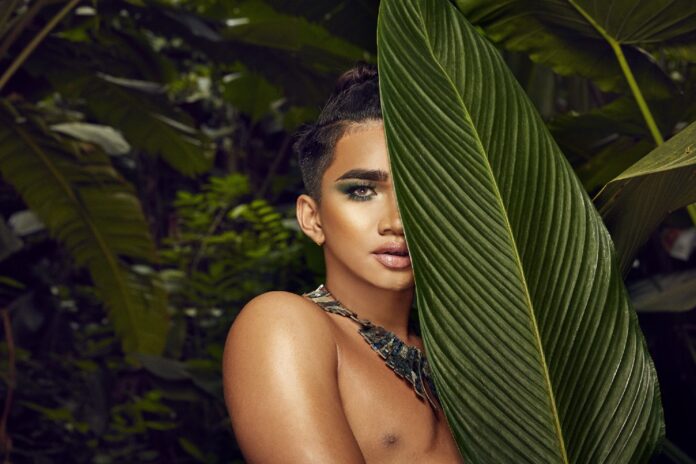
With 4 million YouTube subscribers, and 10 million followers on Instagram, Bretman Rock has experienced intense amounts of social media growth in just four years. From TIME Magazine’s most influential teens, to Forbes 30 under 30, Bretman Rock’s talent and larger-than-life personality have not gone unnoticed. We had a chance to catch up with the twenty year old comedian and beauty guru to learn more about how he manages to do it all.

Bretman Rock
Subscribers: 4,050,008
Uploads: 59
Video Views: 154,576,574
Channel Type: Beauty
User created: Sep 23, 2012

Bretman’s professional-grade contouring skills, effortless confidence and carefree attitude lead people of all ages take an instant liking to him. Bretman Rock may be known for his beauty and makeup videos, but a glance at his channel reveals content driven by an exuberant personality that defies genre. Bretman’s success has been defined not by what he does but by who he is.

Who is Bretman Rock?

According to the newly 20 year old, he’s still finding his footing as an adult. “You’re not a teen anymore, so you have no excuse to be immature…and it’s like what do I do now?”

This is about as close to uncertainty as it gets for Bretman Rock, who, with the great amounts of success he has achieved, also maintains great amounts of confidence — though Bretman says that his unfiltered self-assurance predates any YouTube success.

Photography: Harold Julian, Morphe Creative Direction: Miranda Cheng

Prior to YouTube, Bretman Rock says he was “just a regular gay, Asian teenager.” He was both studious and athletic, attending track and student council during his high school years. Even in his younger years, Bretman says he always knew how to make some extra cash. “I was doing the most I could do to get money. So I would be selling rabbits, and I would literally buy Costco pack candies and sell them at school.”

Yes, you read that correctly. Rabbits.

“I bred rabbits from fifth grade on into high school. I used to help my uncle do yard work…So one time I was just picking out the weeds and this lady came up to me and she was like, ‘Oh, do you want my rabbits? My daughter is going to college.’ And I was like, ‘Bitch yes!’ So I grabbed the rabbits and I started doing research [on] how to breed them and shit. That was me, literally in fifth grade, girl.”

In addition to his entrepreneurial spirit, Bretman has a long cultivated love of fashion, which is what initially drew him to YouTube.

“Ever since I was little, too, I was obsessed with fashion I used to steal my auntie’s magazines, ‘cause she worked at [a] hotel and the hotel always had magazines that she would take home. So I would always take all her fashion magazines. I was really good at going to thrift shops, and so I started making videos… I started doing lookbooks and then I started posting them on YouTube. That was when I thought I was going to be a fashion guru.”

As Bretman got older his passions and focuses began to shift. He adjusted his content accordingly, focusing on makeup and beauty over fashion.

“….After a couple years, I fell in love with makeup and people liked my personality, so I started posting more of, like, lifestyle and makeup videos.”

Photo by Jacqueline Kulla

The Evolution of a YouTube Star

Bretman has come a long way since the early days of the channel he began in 2015. With millions of subscribers and a full time job at age twenty, it can be a lot for one person to take in.

“Honestly? I feel like even now I don’t realize that this is my job. Like I’m having so much fun with YouTube, not just YouTube, but with the whole social media thing … I honestly legit feel like it hasn’t even hit me yet that this is literally my job and my career at this point. I just feel like I can’t wrap my mind around it, like I just can’t even believe it.”

Though he maintains that he loves his job, making YouTube videos is far from easy, and Bretman has an easy answer for what his least favorite part of the upload process is.

Bretman tries not to plan videos too far in advance. Spontaneous videos like Get Ready for Hurricane with Me keep the channel fun.

“I hate editing my videos because I literally cannot hear my voice. I hate my voice so much I cannot sit there for hours editing my videos. So now [I have] an editor.”

For those who can’t afford to hire someone else to edit their videos, Bretman provides another solution: Don’t edit. For Bretman and similar creators, editing is not always a necessary part of the process, particularly when abandoning reliance on it can yield more casual and intimate content.

As a whole, Bretman says he still loves to film videos, especially when he can get his family involved in the process. On his channel he has swapped beauty tips and played “never have I ever” with his younger sister, eaten food and gone shopping with his niece, Cleo, and cooked adobo with his mother.

“I [appreciate] the fact that everyone loves when I film with my family members, and I love spending time with my sister and my niece or even my mom now. Filming videos with them is so much fun… The whole filming process is what makes me keep doing YouTube. I just love talking to people, and like… talking to myself [laughs].”

Though he is mostly known for his beauty videos, Bretman wears many hats, putting up everything from look books to mukbangs. He takes pride in keeping his content diverse and interesting and his family plays a large role in cultivating his spontaneity.

“I try my best not to follow trends because like, girl, I don’t have time, you know… I call my sister and I’m like ‘Girl, lets film something.’ I do whatever I feel like doing that day. I don’t really like to think about it… I just like my content to be very organic.”

This organic approach to making content is what keeps Bretman’s channel fresh and free of creative block.

“I just like to keep it spontaneous; I don’t really get blocked because I just think of the first thing that comes to mind and then I film it, and if it doesn’t work I’ll just delete it… [Making videos] is more of a trial and error process.”

In addition to developing the Bade in Paradise palette with Morphe, Bretman has worked with Fenty Beauty and Kylie Cosmetics.

100% Bretman-infused Collabs

Bretman’s latest collaboration was with well-known makeup brand Morphe. Bretman worked with them for months to create his ‘Babe in Paradise’ highlighter palette and signature brush. Though he has worked in the past with other brands such as Fenty Beauty and Kylie Cosmetics, this is the first collaboration that allowed Bretman full control to show off his creative insights. The palette’s design was heavily inspired by Bretman’s home in Hawaii, showcasing the cultural diversity and tropical colors of his hometown. The set has been extremely well received in its release, and it is currently sold out on Morphe’s website.

The palette’s design was heavily inspired by Bretman’s home in Hawaii.

Bretman was extremely excited to tell us about the project and what it meant to him.

“Oh my gosh, the Morphe palette! So that came out in April, and literally I didn’t know that creating makeup would take so long. I started that project when I was a junior in high school and it launched almost a year after I graduated. It just woke me up to how much work actually goes into the makeup industry and how much work goes into the products and advertising… I just felt like a bad bitch like being able to choose my own colors and even design my own packaging and photoshoots. They basically just like let me do whatever the fuck I wanted, which is what i appreciate the most about Morphe. That palette is 100% me. It was also really cool picking inspiration from home. I’m one of the only influencers here in Hawaii, so I really wanted to represent where I’m from and where I grew up.”

The Morphe x Bretman Rock Babe in Paradise palette includes six custom highlighter shades and Bretman’s signature brush. Each shade, from BehBeh Gurl to Shady Bitch, holds a special meaning for the creator.

Of all the 100% Bretman-infused shades on the palette, one shade’s name holds a particular significance to him.

“Mahu is my favorite shade on the palette. It’s this golden highlighter and it is so cute. The word ‘Mahu’ translates to gay or the third gender in Hawaiian. Growing up here, people used to call me a ‘mahu’ all the time. I learned to embrace being gay and being called that name because back in Hawaii historically mahu were looked up to. So now I’m like ‘Look up to me, bitch. I am a mahu.’”

Reclaiming past negative experiences to further one’s own self love appears to be the essence of Bretman’s message as an influencer, and clearly the “Babe in Paradise” project is no exception.

No worries if you couldn’t snag a highlighter palette: According to Bretman, he is not planning on slowing down any time soon, and there are more makeup collaborations on the way.

“I do have other makeup things planned. I’m not sure if I’m allowed to talk about the brands I’m working with yet, but it should be out soon. Give me a couple months.”

Beyond Makeup

Producing makeup is not Bretman’s only passion; branching out into something as different as fitness might be on the horizon for his channel.

“I’m really into fitness right now. I’ve been into fitness my whole life basically. If you didn’t know my name, Bretman Rock, is from the wrestlers Bret Hart and The Rock. Growing up my dad tried so hard to try and make me this straight jock, which would never happen, but he did that so much that doing sports and fitness stuck with me. So I really wanna branch out into fitness. You don’t really see any gay MUAs (makeup artists) that are funny and do fitness. Like I wanna be doing the most, and being the cutest as well.”

Family Above All

But “doing the most and being the cutest” is hard work, and Bretman says he wouldn’t have gotten this far without the support of his family.

“I think it’s just because at a young age my parents always knew that I was gay. I don’t think I even have a coming out story, because my parents always knew that I was gay… I grew up very Catholic, and I grew up going to church all the time, but when my dad got a feeling that I was gay he was always very accepting of it.”

Family is a central focus on Bretman’s channel. In Cooking Adobo with my Mother, he hangs out with his mom and ask questions about her life.

For Bretman, acceptance from his parents has taken many forms over the years.

“I remember on my fourth birthday party. I got a toy car, and inside the toy car were Barbies, and that was the first time ever that I felt accepted. And even with my mom, if you watch my recent videos with my mom, I can literally be myself around her. So I guess what inspires me about my parents is that they are so accepting of who their son is.”

It’s clear that Bretman and his sister have a close relationship. In this video, the siblings play a round of Never Have I Ever.

It’s clear that in Bretman’s life, family gets top priority over all else, and in many ways, sharing that love of family with his audience has helped his channel grow. Focusing on family has ensured that Bretman never loses sight of what is most important, even amidst great change and a rapidly growing career. In such an image heavy industry, Bretman knows that comparison is toxic, so he says he tries to focus inward rather than attempting to be like anyone else on YouTube.

“Sometimes, I feel like I am the only person living in this world. I don’t know if it’s just ’cause I’m a Leo, but I don’t look up to nobody else but myself. I honestly don’t get inspired by many people besides my parents… My only inspirations are myself and my family.”

Bretman’s niece, Cleo, is featured in many of his videos, but in Eating with Cleo, we get to learn a bit more about their relationship.

Haters Can Deal with Themselves

Bretman’s laser focus on his priorities in life also comes in handy when dealing with hate online. According to Bretman, the secret is to focus on your own merit, rather than the negativity of someone who wants to bring you down. He chooses to believe in himself instead of the haters.

“I honestly think of haters as ghosts, if you think they’re dead, then they’re dead, and if you think they’re not there, and then they are not there. I don’t believe in haters. I feel like haters are just bored, and I’m also bored, but I don’t hate. Haters are just people who don’t know what else to do with their lives. So why am I gonna entertain that when I could entertain other people? So you know what I say? ‘If you hate me you can deal with that yourself, I don’t have to fix it because I’m not the one hating.’ I don’t really deal with haters, I just let haters deal with themselves. I honestly don’t have time.”

On camera and off, Bretman is 100% himself 100% of the time.

Using Your Influence

On camera and off, Bretman is 100% himself 100% of the time, and he has no time or desire to apologize for it. But even with such unabashed pride, being an openly gay influencer comes with a unique set of challenges that can be difficult to for anyone to navigate. After four years of experience, Bretman’s advice for handling life as an LGBT+ role model is simple.

“As a gay influencer, I feel that you should always keep in mind the fact that you are basically a walking activist… We should always embody everything that has to do with being prideful in who you are.”

With that, Bretman knows there are also many positive aspects that come with creating YouTube content. For all the young creatives looking to start a YouTube channel of their own, Bretman shares this parting advice. Look within yourself and find love there.

Photography: Harold Julian, Morphe Creative Direction: Miranda Cheng

“I would honestly ask yourself why you are making videos… If you love to make videos and love to entertain people, then make content that makes you happy; don’t make the content that everyone else is making. Be yourself and as long as you love yourself people will fall in love with you, too. I feel like a lot of influencers forget that they have to embody self love.”

Undoubtedly, Bretman Rock is a person who continues to practice what he preaches every day. In a perfectionist, image focused, social media climate, YouTube could do well with more influencers like Bretman — influencers who are driven by their own desire to connect with others, rather than a desire to be like everyone else. In sitting down to talk, we learned that Bretman’s on and offline persona’s are one in the same. Bretman Rock is his own person and his work connects with people because of the clear passion he has for the content he creates. All aspects of Bretman Rock’s life can be seen reflected back in his videos. His Filipino heritage, Hawaiian background and identity as a feminine gay man, are all attributes that make his content better. Without them, Bretman wouldn’t be who he is. In 2018, Bretman Rock’s success shows us that being authentically yourself will bring more love and support than hate, if one is only brave enough to live their truth.

Get YouTuber.

Conspiracy Theory: The Dark Inner Workings of The Creator Summit

The YouTube Creator Summit is back. This invite-only gathering of content creators has become famous for networking opportunities, inspirational speakers, and swag bags. Those who aren’t invited are itching to get a peek at what goes on at the famed event. Of course, there are videos, with smiling YouTubers having a good time and showing off their cool new gear. But what goes on behind the scenes? What evil strings could the puppet masters be pulling? I’m glad you asked.

One theory is that that The Creator Summit is earnest — a straightforward approach to helping YouTubers create better content for the site. Proponents of this storyline suggest the summit is like a film school crash course, all focused on correcting the most pervasive problem in the vlogosphere: jump cuts. Jump cuts, a staple of YouTube culture, were once taboo among those who created video. Could it be that the Creator Summit is just hours on end of lectures, workshops, editing seminars and film screenings designed to teach this basic bit of film theory?

Others speculate the Creator Summit is where influencers gather to discuss making new, weird types of money. That’s right, BitCoin, LyteCoin and DogeCoin better watch out. Some believe that YouTubers are hard at work, creating a new heavyweight in the crypto marketplace: the TubeBuck. If TubeBuck takes hold, expect it to get support from big name influencers. This theory begs a worrisome question: If TubeBuck were to gain enough popularity, could it have the potential to destabilize the world economy, crashing global markets and putting the nail in the coffin of YouTube’s greatest enemy — Network TV? Only time will tell.

But what if there’s actually no shadow curtain?

But what if there’s actually no shadow curtain keeping the people from knowing what’s happening at the Creator Summit? How could that be, you ask? Simple: The Creator Summit itself doesn’t actually exist — because there are no creators! Could it be that the most followed channels on the site are actually hosted by powerful VFX renderings created with special effects programs? They aren’t actually real people at all, just sophisticated computer animations? What if PewDiePie is just 1’s and 0’s? What if Boogie2988 was created in After Effects? What if LaurenzSide only exits inside a hard drive? Would we really be that shocked to find out that Mr. YouTube himself created all these channels to give the illusion that you were watching different points of view, when really all roads lead back to his singular voice? If you’ve been paying attention, it wouldn’t shock you at all.

One thing is certain; we’ll never really know what’s going on at the Creator Summit until we attend it. Up till then, we’ll only be able to speculate. So, in the interest of truth and transparency, I volunteer to be invited — to be put up in the supposed ‘hotel’ where supposed ‘creators’ meet and discuss the supposed ‘website’. I implore you, Mr. YouTube, if this event is real, invite me so that I can give my readers a glimpse of Truth and get in on the ground floor to become the first TubeBuck millionaire.

Get YouTuber.

GIFs are Improving Modern Language. Here’s How.

Early uses of animated GIFs online were mainly for decoration. Web designers unironically plastered their sites with tacky, digital animations seemingly in a competition to see who could make their website the loudest eyesore on the internet.

Almost all of these sites are gone or updated by now, but you can get an (admittedly toned down) idea of this period from the still-functioning website for the 1996 film Space Jam.

The point is GIFs were decorative, not conversational.

That changed in recent years as social media users saw the inherent potential in GIFs being used for reactions and personal expression — a visual analogy to emphasize or clarify your current state of mind.

Occupying the space between a still image and a full-on video, there are many technical reasons the GIF format became popular in communication. They capture your attention more than a static image, and they have the ability to autoplay in a loop, making them perfect for delivering responses in a context where timing is critical. A witty retort that forces you to click play on a video clip would undoubtedly kill — or at the very least maim — a joke. Moreover, GIFs are silent, which makes them less intrusive and more accessible. You don’t need to crank up the volume or grab headphones to understand a bundle of looping frames.

An Unexpected Comparison

As they’ve increased in popularity, many platforms like Twitter and Apple Messages have added GIF search engines directly into their service. Finding that perfect looping moment to express yourself is now only a few taps away, furthering the GIF’s place in modern language. They’re a quick, fun way of communicating nuanced emotions in a short visual moment. In fact — — if I may get super pretentious for a minute — I’d like to attempt a comparison between this modern use of reaction GIFs and (hear me out) the Mona Lisa.

In “Words On The Move,” author and linguist John McWhorter explains how medieval paintings often feature people whose faces lack any expression. They are stoic subjects who refrain from displaying anything other than the broadest of emotions. “It would never have occurred to a painter like Giotto to depict the full range of human expressions,” McWhorter writes. “Art was less about you, him, or her than about that: grander things such as religion and commemoration. We cherish the Mona Lisa as one of the heralds of the new era, with that smile we can imagine someone curling into near the middle of a good first date.”

Art moved from grand and broad to individualistic and personal. Reaction GIFs, then, are a logical progression of this idea: using imagery to express specific, nuanced emotions. Used in this way, GIFs are more language than art, and McWhorter writes that, like art, “human language has always and forever been getting personal.” GIFs are yet another example of how our language is continually changing with the advancement of time and technology.

When Words Fail

It can be difficult to adequately express all our complex emotions — how excited, upset or anxious you are about something — over a tweet or text. Attaching a GIF of someone who looks or acts the way you feel can serve as the visual analogy needed to emphasize your current emotional state, so everyone knows precisely how happy eating that pizza made you or how stressed you are about that exam tomorrow.

Reaction GIFs help with clarity in other ways, too. Spend any amount of time on the internet or texting a friend, and you’ll inevitably experience a circumstance where someone misinterprets someone else’s words, projecting an emotion that wasn’t there when the author wrote them. Adding an accompanying GIF of a pop culture figure manifesting your exact attitude instantly clears up any confusion.

The phrase “thank you” can be delivered casually, sarcastically, with heartfelt sentiment or with the air of triumphant validation, and there are plenty of GIFs available to make your specific intention clear (many of which originate from The Office).

As our technology evolves, so too does the way we communicate with one another. Animated GIFs have evolved from a fun file format to an exciting part of modern language. They say a picture is worth a thousand words. Imagine all that can be expressed with these quirky bundles of looping images bursting with personality.

Get YouTuber.

Guide: How to become the biggest YouTuber ever

So you want to be the world’s biggest YouTuber, huh? Well good news, you’ve come to the right place. I’ve got here for you a nice easy guide with a few simple steps. If you follow them correctly, you can expect to dethrone Pewdiepie in a matter of weeks.

The what:

First thing’s first: If you want to get big for making content, you’ve got to make big content. While you can find everything from Spider-Man/Elsa romcoms to puppy daycare videos on this site, there are a few things that will always be gold.

Storytime videos are chief among these. The catch is, you have to make sure that your story is hardcore dramatic. Interpret this as you will, though. Whether it’s an intense story or just an intense delivery, if you leave your viewers thinking you were either viciously wronged or a hero in action, you’re all set to go.

If stories are less your style, there will always be a rampant market for drama. This is another category you can take in two ways. The first path is to be the drama. This is, by far, the easiest thing to do. Most viral stars who hit it big this way make it look like they’re not even trying. Try vlogging a corpse, starting beef with someone who doesn’t know you, or just being egregiously racist. You can reliably count on any of these shortcuts to get you the kickstart you’re looking for. Otherwise, you can dish the drama. Create a news show entirely out of online issues, giving your opinion on whatever you’d like, and watch the clicks roll in.

It’s these categories, ASMR, challenges, gaming, and the like that are inexplicably evergreen here on the web. Whatever you choose to do, you have to make sure it stands out. Really, viewers are going to see your content before they see you. While your personality is what keeps them in the long run, the meat of your content is what’s going to pull them in in the first place. After all, any video could be a viewer’s first, so you have to ensure that every upload you put out there could be a good entry point to hook a new subscriber.

The when:

All that aside, one-hit-wonders are rare on YouTube. You can’t just upload a video, vanish for a few months, and come back with another one, expecting to make it big this way. You’ll want to have something out every week; multiple uploads in a week are going to look even better for you. Consistency in everything is key. Try to set a weekly schedule and stick to it so your viewers know when to pop on by and see what’s new. This isn’t even taking into account things like blooper reels, extra vlogs, second channel uploads, or anything like that. Even if you’re just a solo creator without a production crew, you’ve got to have the goal of weekly high quality content without fail.

The how:

It doesn’t matter how good your content is, it still has to have the production quality to make it watchable. It’s 2018; most cell phones come with at least a 1080p camera. Laptop webcams are a thing of the past. Unless you’re classic Miles McKenna embracing low-grade footage for its novelty, you need to get on the HD train, or even 4K if possible.

Good quality audio is crucial to any video. An external microphone is always going to sound better than the one built into your camera.

That being said, there’s more to the perfect setup than your resolution. Your filming background has to be absolutely pristine. It doesn’t matter how fake it is, you just need to give the appearance of being rich and tidy at all times. If it’s cluttered, boring, basic, or off-putting in general, viewers are going to get tired of it and click off.

Don’t forget to think about lighting when getting ready to film. If you can’t use light from the sun, store-bought is fine. Pick up a couple of softboxes or a nice ring light and you’re going to be all good to go — in terms of visuals at least.

You simply cannot forget your audio. ASMR through your camera’s onboard mic just doesn’t cut it. You’re going to want to get an external microphone, and you HAVE to be sure it syncs up with your video. The second things slip up and your voice is coming out of your closed mouth, it’s all over.

The who:

The easy stuff is all out of the way now, so let’s get introspective for a bit. Who is making this content? Before you answer with any sort of deep or honest response, make sure that it’s the right thing to say. You have to be absolutely genuine on camera. You’re not genuine in real life? You’re going to have to fake it. You’ve got to be quick, funny, and emotionally open. You’ve got to be able to make your viewers believe that you feel a deep connection with each of them personally, whether you know of their existence or not. Viewers don’t tune in because they want to slow down for a bit, or be bummed out, or feel detached. You have to keep it fast and upbeat, keeping viewers engaged at each and every frame.

The exception, of course, is being genuine while not being fast and upbeat. You can bring things down, but only if you bring the viewers down with you. If you’re going to be open about a bummer, you’ve got to get the viewers involved so that they feel that bummer right along with you. Otherwise, they won’t hesitate to turn off the sad guy and click away to their recommended bar.

This high-speed high-energy high-quality high-entertainment energy can’t stop just because you turn your camera off. You’ve got to be sure that you keep up this constant engagement at all times, even when you’re not rolling. YouTube is no longer just about the platform; it’s all about the life brand you’re creating. If you’re not going to keep it up on all social media platforms at all times, you can kiss your hopes of that sweet sweet YouTube money goodbye.

If you’re keeping your brand alive at all times, you know what that leaves time for? That’s right: nothing. If you’re not filming, you’d better be editing. If you’re not editing, you’d better be scripting. If you’re not scripting, you’d better be filming. You have to stay on that grind. If you’re looking to be a full time YouTuber, you’re not looking at 40 hour weeks; you’re looking at 168 hour weeks — more if possible.

The now what:

So you’ve got your content. You’ve got your production setup. You’ve got the personality. The next step? Getting someone to actually see it. Social media is your best friend from here on out. As soon as a video goes live (which, if you’re not doing during peak hours, you might as well not do at all), have a blast go out on Instagram, Twitter, Tumblr, LinkedIn, Facebook, Words with Friends, Myspace, whatever you’ve got. And you’d better not be planning on posting about it once and stepping away. Persistence is key. Someone sees a tweet about your sweet new unboxing video once? They might forget it. They see it twenty times in a row, pinned to your account, and promoted to their feed? They’ll remember it. But a middle ground is probably ideal if you don’t want to get blocked. You’ll want to have semi-regular reminders going out every day or two, at least until your next video is live and you can start the process all over again.

Uploading a new video is just the start. Promoting videos and networking on social media will also take time and energy — and caffeine.

Now, yes, social media is going to be your bestie, but you’re going to need to chum it up with everyone else on it, too. Networking needs to be in your bones from here on out. Pass out cards at conventions, on the street, in a bed in post-op. You never know where your next influencer friend is going to be. Collaborations and shout-outs are going to get you in front of a whole new audience. Going to guest in a video with someone with a similar subscriber count? Get ready to potentially double your viewers. Finally, friendship has a purpose. Plus, the more you collab, the more faces you get in front of, the more people may want to collab with you. The spiderweb of networking just never ends.

The real how:

There’s no reason to be shy about it. We all know the reason to be on YouTube is that good good ad revenue. The big question, though, is how much money and effort should you be willing to drop to get there? If it takes money to make money, just what all is it going to take? The easy choice is to go the Emma Blackery route: charge an expensive DSLR to a credit card with no way of paying it off, wait six years, then have over a million subscribers and multiple international tours. That’s always going to be on the table. No matter how vehemently she advises against it, it seems to have worked out well for her.

If that’s not in the cards for you, it’s a tough balancing game. This is where things are going to get tricky. It’s easy enough to know all the right steps to become popular and profitable if you’re the right person. It’s something else entirely to be practically able to get there.

YouTube success, mental health, and general life stability exist on a triangle, and most of us can only afford to pick two of these at most. Do you have enough money to invest in yourself and your content while not living in financial peril? Great. Do you have the extra hours in your week to plan, film, edit, upload, and manage your content without running yourself into the ground? Sweet. Do you want to live a life spending money on the important things, being happy and healthy and content with where you are? That’s cool and all, but YouTube might not be the best career for you.

The fact is, it’s a long road from launching your content to seeing any sort of return on your investment. If you’re in it for the love of the sport, fantastic, but you’ve got to be prepared for a lot of work, time, and possibly actual money to go into what you’re doing before you can expect quantifiable success.

With the huge commitment of making both consistent and quality content, you really have to be something special to make it all the way to stardom.

Then again, you already are, aren’t you?

Get YouTuber.

Guide: 10 YouTubers That Deserve More Subs

With bigger YouTubers taking over the internet nowadays, it can feel overwhelming to try to find small creators who make quality content in the huge pool of YouTube channels. It’s easy to overlook so many small YouTubers who make content just as valuable and entertaining as the ones with millions of subscribers.

If you’ve been wanting to branch out and find some smaller creators with amazing videos, look no further. These ten YouTube channels with under 100,000 subscribers deserve your attention!

1. Mermaid Queen (Jude)

https://medium.com/media/12dbbeadeb4298ca6d4df3482ad052e7/href

Jude is a queer, nonbinary, and body-positive creator who has recently been sweeping the internet with her thoughtful discussions on all kinds of social justice news. You may have seen the #NotYourBefore hashtag on Twitter that she started upon the surfacing of the new Netflix show “Insatiable,” which features a fat girl getting skinny and getting revenge on her bullies. This hashtag is just one of the many ways that Jude puts her voice out there to make an impact on the world around us. The hard work Jude puts into her videos is evident; she is the truest and purest form of an online influencer. She leads important discussions on gender, sexuality, body-positivity and mental health, while also balancing her content with lighthearted chats and artistic voiceover vlogs. If you want to feel heard, valued, and inspired, Jude’s content is here for you, for whatever you’re going through.

2. Beth Blvd

https://medium.com/media/9d7014467499454d0a657c63f87d1445/href

Some days, you need to just sit down and watch a carefully constructed compilation of otherwise mundane tasks to appreciate how beautiful everyday life is. Other days, you want to go on a date and Tinder just isn’t buzzing. Beth’s channel is the best place to go for both. She creates calm, aesthetically pleasing vlogs of her life with honest commentary about her emotions and her personal philosophies on life. She’ll also take you on “Coffee Dates” every month, in which she’ll sit down with you to update you on what’s going on in her life and what she’s learned from it. Her work effortlessly balances on the line between simple and breathtaking. She’s not just your ordinary YouTube filmmaker or vlogger. Both beautifully unsettling and deeply fulfilling, each one of her videos will make you think, feel, and appreciate the little moments in life. Her video content is true artwork, and you won’t find anything else quite like it.

3. TheLetterFifteen (Théo Evans)

https://medium.com/media/589e4c93825af925469e15a004d39342/href

Théo Evans is, by far, the most entertaining vlogger on YouTube. His videos are the perfect combination of strange, hilarious and unpredictable. His simultaneously dry and bouncy humor drives all of his videos and gives him a unique voice that is completely his own. The vintage Nerdfighter-esque vibe of his channel helps foster an intelligent, niche and engaged community, even in such a small corner of the internet. The ability to foster such a tight-knit community with just 1,000 subscribers is rare and special, and it’s a phenomenon you definitely want to get yourself involved in. After being on YouTube for years, you may think you have seen it all, but Théo’s videos will make you laugh like no other.

4. NiceOneFransi (Franzi Beck)

https://medium.com/media/4caf50b5d1bee588e8c538992b8aefe7/href

Franzi’s channel is a balanced collection of music, comedy, storytelling, acting and social commentary. She’s beyond talented when it comes to her strong singing, songwriting and instrumentals, often times in the form of a musical parody. Beyond her musical talent, her vlogs are clever, meaningful and comical, all in one. Alongside her music and acting career, she satirically discusses relevant social issues. As a mixed race German woman, she brings a unique perspective to topics of culture and privilege, while also managing to keep her audience entertained. These videos are perfect if you want a good laugh mixed in with the occasional musical performance.

5. AConnMann (Connor Manning)

https://medium.com/media/b4460fe8d3f5b63bc7d72690b9062aa5/href

For more introspective viewers, YouTube can function as a form of free, virtual therapy. Connor Manning’s vlogs are reflective, articulate and truly life-altering. They will push you to become a better, more fulfilled person as you walk alongside them in their journey of self-discovery and internal growth. Their vlogs range from serious discussions of mental illness to their own experiences with gender and sexuality as a bisexual non-binary person navigating through the world. Much of their content stems from their own hardships and experiences, and they use their own life’s context in order to give well-rounded advice to their viewers. Connor and their community on YouTube provide a safe and hopeful environment for those who are struggling, and their videos serve as a reminder to keep living and keep growing. Watching their truthful and wholehearted reality checks has the power to inspire and heal. Do a service to yourself and spend a couple hours indulging in their videos — you won’t regret it.

6. Arielle Jane

https://medium.com/media/ab5fd683d036fde81eae0b960cd48646/href

Arielle’s channel is pure fun and games for viewers who enjoy that brand of carefree video content. She posts fun DIY videos of her attempting beauty trends interspersed with adorable videos of her cats that will make your heart burst. Her wit and hilarious crafty screw-ups are sure to keep you laughing until your stomach hurts. In her videos, Arielle is willing to put herself in the spotlight and inevitably embarrass herself trying new things to make her subscribers feel capable of tackling intimidating DIY tasks. Meanwhile, she’ll give you helpful advice from her own experiences for when you approach these beauty hacks on your own. Though small now, her numbers are on the rise, and for good reason. The act of trying new things in truly good spirit is reminiscent of the original point of YouTube — to have fun with your content — and the effect on its entertainment value shows. Arielle is the comic relief everyone needs in their subscription feeds.

7. Jackson Bird

https://medium.com/media/39ccd8c19a78adc6e53babae4cf2236d/href

Jackson Bird primarily makes lighthearted and educational LGBTQ+ content as a transgender man, while also contributing to BookTube and running a video series called, “Will It Waffle?” wherein he attempts to cook random food items in a waffle-maker. His channel is the perfect combination of education, passion, and humor. Jackson will scratch your itch for both nerdy content and comprehensible education for both LGBTQ+ folks and their allies. He pushes for acceptance, normalization, and celebration of trans people, as well as providing helpful and specific resources for his younger trans viewers. His videos are not only entertaining and educational for everyone, but also extremely important for the queer and trans communities. These videos offer insights into the experiences of an underrepresented group, and they deserve more traction.

8. Abbie Bosworth

https://medium.com/media/69c2ee7ed62587b288274a98a1be1889/href

Abbie Bosworth is a gifted singer/songwriter and a passionate creative. In addition to her charming voice, she discusses a multitude of topics, including mental health, psychology and sexuality. She brings a hopeful twist to the struggles that any young adult is going through, one main theme being identity. For those who love personality tests and self-identifiers, one of her notable trademarks is the exploration of Enneagram types, for which she released a song per type. You’ll get to know Abbie so well through her vivid genuineness online that she’ll feel like a close friend almost instantly upon browsing her channel. As she’s figuring out her own path to happiness and fulfillment, she gives you interesting perspectives to help you do the same.

9. ItsRadishTime (Taylor Behnke)

https://medium.com/media/bbad5be1988e2b650233a8c8de1c67c0/href

Taylor Behnke’s channel is filled with social justice, politics, and well-executed storytelling. Her wise and reflective stories will always lead you to a new perspective on the world around you. The confidence and honesty that she exudes in her videos creates a reassuring atmosphere for any viewer listening to stories from her life. Whether you’re looking for commentary on race, professional advice or pure introspective fuel, Taylor has a collection of videos for you. She’ll teach you how to navigate the world of adulthood while also sharing beautifully constructed narratives from her own experiences to inspire you. If nothing else, her voice is so gentle that the sound alone is therapeutic and comforting. Regardless of what they’re about, these videos will leave a lasting impact on you.

10. Christi Kerr

https://medium.com/media/d985b68578468642b598400fc5faa03c/href

If you’re a fan of the sit-down-and-chat vlog side of YouTube, Christi Kerr is a great new addition to your list. Her video topics are distinctive from other discussions already occurring on YouTube; these talking points come from any idea that crosses her mind for even just a moment, and she constructs it into an eloquent and meaningful conversation. The rawness of the videos makes it feel like you’re sitting down with a close friend who you can tell any thought that crosses your mind and draw some kind of significance from it. Her vlogs are a great way to open your mind to ideas you’d never have thought of alone and to learn more about yourself through them. Let yourself explore these new conceptualizations of life and subscribe to this growing channel.

These ten channels contain something for every kind of YouTube viewer and will brighten your subscription feed with new and exciting content. Refresh your outlook on the platform by looking into some of these blossoming small creators.

Join Creator Handbook eNewsletter

A Different Approach to Getting Views for Your Educational YouTube Channel

As one of the biggest search engines on the internet, YouTube is the first place many people go to if they need to learn how to do something. Want to learn how to make portrait photography pop in Photoshop? Looking for a tutorial on how to speed-solve a Rubik’s cube? Need to learn how to replace a broken electrical outlet without killing yourself? YouTube has you covered on all these fronts and many, many more.

How-to videos rely on YouTube’s search engine more than most other content on the site. People are looking for an answer to a specific question, and the top-ranking videos help provide the solution. However, if you’re a YouTuber who makes this kind of educational content, how are you supposed to compete with all these other videos already ranking in YouTube’s search results?

Focus on optimizing videos for human viewers rather than the Algorithm gods.

As the YouTube algorithm continually shifts and evolves, SEO becomes tougher to game. For instance, channel Creator Insider recently revealed that tags on YouTube don’t mean much of anything these days regarding how your videos rank in search. With these changes, it’s becoming increasingly more important to focus on optimizing videos for human viewers rather than the Algorithm Gods.

Some best practices will always ring true. Clear, high-quality thumbnails will get more people interested in clicking on your videos. Keeping content fresh and relevant to your audience can help maximize views. Also, performing keyword research with tools like Google Trends, vidIQ or TubeBuddy will help you get a grasp on what kinds of terms and phrases people are searching for regarding your specific topic.

However, let’s take a slightly different approach. How can you reach real people by optimizing your channel to help real people?

Make Titles Dynamic to Pitch Your Value

For instructional videos, it can be tempting to go with straightforward titles. For example, if you have a channel teaching men’s fashion, a video titled “How To Keep Your Shirt Tucked In” might perform okay. However, adding more colorful language can help your video stand out.

Use tools like TubeBuddy and vidIQ to research keywords in your topic area so you can better understand what viewers are searching for.

The channel Real Men Real Style titled their video about this subject “4 Secrets To Keeping Your Shirt Tucked In ALL DAY,” and it’s amassed over 11 million views! Adding “Secrets” makes it feel like the viewer is missing info that only this video can unlock, and the phrase “ALL DAY” helps tell a story and emphasizes (in all caps, even) the effectiveness of the tutorial.

Dynamic titles like this can help your video stand out while pitching the value more effectively than competing videos.

People want answers, and they want them fast.

Answer Their Question to Improve Your Watch time

The past few years have hammered in the importance of accumulating watch time on your channel by creating longer videos that engage viewers, but this can be risky for how-to content. If you bore people with long, rambly intros and don’t begin to answer their question quickly, they’ll probably click away and find another video. People want answers, and they want them fast.

An effective title will draw in the viewer with the promise of important information not available elsewhere.

If you can engage viewers throughout the whole length of a long video, great! However, if it’s tedious, repetitive or just plain boring, that could lead to a high rate of people abandoning the video, which signals to YouTube that people aren’t finding it useful, so it likely won’t rank as high in search. Sometimes, having a shorter, straight-to-the-point tutorial may be more beneficial. It may counter-intuitively accumulate more watch time than a longer video simply because viewers find it clearer and more helpful than another channel’s excessively long tutorial.

With everything, it depends on the type of instructional video you’re making. Sometimes a deep dive is warranted. Other times, people want a quick fix. A good practice is to make each video as long as it needs to be, and not a second longer. Know your target audience, scope out the competition and use your best judgment. But never, ever needlessly pad a video for more watch time.

Provide Captions to Increase Your Reach

If you want a leg-up on your competition, add captions to your instructional video. Captions have tons of benefits! They make your video more accessible to those with partial or total hearing loss and non-native speakers of the language of your video. They also help people who comprehend instructions better by reading, which is super beneficial for how-to content. You can also look through your analytics to see what countries are watching your videos and order subtitles in the languages spoken in those parts of the world, making your videos even more accessible to a broader audience.

Adding captions in one or more languages makes your video more accessible to a wider audience.

You can type out captions yourself directly on YouTube, order them from a service like Rev.com or ask your fans to contribute community captions and subtitles if they speak other languages.

Ranking in search for an instructional video means answering a specific question someone was searching for. It’s an inherently human-centric slice of YouTube. Don’t get lost in trying to game the algorithm. Make engaging, clear, helpful videos for real humans who are already out there typing in a question that you can answer better than anyone else.

Get YouTuber.

How your YouTube channel could become your full-time career

Having the potential to get wealthy from your bedroom makes YouTube very appealing, and the platform is only growing. You’ve already figured out how to capture and keep the audience’s attention; all that’s left to create a way to monetize this passion.

Just like any vlogger or influencer, the size of your audience and the amount of engagement heavily impacts what you can earn. Whether you are an experienced vlogger, an amateur, or somewhere in between, bringing in big revenue from YouTube is always the goal.

There is no single formula for success, but there are certain things you can do in order to make money. The main ways to generate revenue from a YouTube channel include having ads on your videos, getting sponsored and selling products through an online platform.

Until this year, anyone had the ability to earn money through ads on their YouTube videos. You simply had to turn on the monetization setting within your YouTube account. This allowed any YouTuber to have ads placed on your videos, from which you’d earn a fraction of a cent each time a person viewed or clicked the ad.

This all changed in January 2018, when new standards were set to merit monetization through the YouTube Partner Program (YPP). Now, to be accepted into YPP, you need a minimum of 1,000 subscribers plus 4,000 hours of watch-time over the past 12 months. Basically, these changes have made making money on YouTube a lot harder for the average creator.

Beyond AdSense

Of course, you can profit directly from YouTube itself through YPP, but with YouTube constantly updating payout requirements, its crucial to review all entrepreneurial avenues. The key is uploading engaging content, building yourself as a brand and creating multiple streams of revenue from this positioning. This will allow you to continue to add other streams of income on top of ads, setting the foundation for a long-lived career with YouTube as the starting point.

One of the most important components is becoming known within the YouTube community. Having a reputation goes a long way because people see you not only as a creative individual, but also as a business. Make sure you, too, are viewing your YouTube channel as your brand. Details matter!

Number one: BE YOURSELF. Your personality is what differentiates you from every other YouTube channel and makes you unique. Having a catchy intro, creating eye catching thumbnails, becoming prominent within a specific area, understanding metadata and collaborating with other YouTubers also goes a long way to growing a sustainable channel. Continuously brainstorm ways to help your brand grow on the platform.

Once your personal brand is created, sponsors and endorsers will pay you to promote or mention their products in your videos. Just be sure to disclose the nature of the video to your viewers; on top helping set a more honest tone with your audience, it is required by law to mention that the video is sponsored. Company’s pay YouTubers in different forms, whether it be per click on the company’s link, per view or even a set price for partnering. Discuss this as you talk with companies and find something that is good for both you and the party involved.

Fiverr and similar sites let you outsource some of the work it takes to create and sell your own product line.

You’ll also want to associate yourself only with company’s you truly want to support. When you endorse a product, it becomes a reflection of you. In other words, don’t overlook the ethics or quality of a company or product for a paycheck. Only participate in ads that fall in line with your brand. If you are seeking ways to connect with brands, there are companies and websites to specifically to help! A big one to check out is Famebit. It’s a YouTube-owned site that specifically works to connect channels with sponsors.

Beyond the Internet

It’s also important to not rely solely on digital platforms for making money. Look at ways you can reach your fanbase offline. If you have a skill you showcase on your channel, plan an in-person lecture or class. Venues and companies may also want to host you as a guest speaker for events. Reach out and simply ask. This requires you to do nothing outside of what you are already recording. The only difference is you’ll get to connect in-person with your fanbase. Even if your channel isn’t skill-based, people love you for you. Plan a show, meet and greet or tour to connect with fans offline.

Another important area for YouTubers to explore is goods and merchandise. There are multiple strategies creatives can use to start their own line of products. Of course, you can create it on your own by finding a manufacturer, making an online store and promoting sales through your channel and videos. Perhaps you aren’t a product designer. No problem. Sites like Fiverr allow you to connect with designers who can create a logo or art for your merchandise or goods. If you have a great product in mind but funding is a roadblock, try crowdfunding with sites like Patreon and Kickstarter. This allows viewers to donate to projects they care about and support you in the process. In the circumstance that you seek to share responsibility for creating and selling the goods, try collaborations with brands. This allows you to share your ideas and earn revenue while remaining a bit more hands-off for the production process.

Is YouTube your career, or do you want to go beyond that?

Long-term Strategies

So now you have ads, sponsors, in-person appearances and a line of products. Sounds like you’re a YouTube pro. But what’s next? Is YouTube your career, or do you want to go beyond that? Determine what kind of work interests you and use it to fuel even bigger jobs. What type of channel do you have? Skill based? Do you create art? Are you funny? Can you act? Reflect on this and see all the possible careers you can dive into, whether that be acting, comedy, media production or something more specific to the skill set you’ve developed along with your channel. Managing a YouTube channel takes multiple skills within itself. Perhaps you can even help others creators manage their channels.

There are so many avenues to explore and make money from when it comes to YouTubing. But we are all creative beings, so get creative!Creators, let’s create!

Get YouTuber.

Advertisement
Advertisement
communal
communal