
Test test test
How to make money reviewing products on YouTube
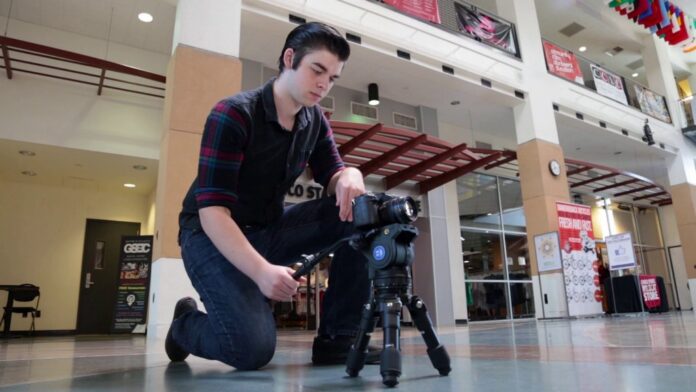
Want to build your own product review empire? Here’s how.
Want to make money online? Consider reviewing products on YouTube. YouTube gets more than one billion unique users a month and is the second largest search engine in the world. Many of those searches are people looking for reviews, unboxings and comparison videos of products they are considering buying. And video creators have figured out how to turn their passion into profit and build a side-income or even a full-time career reviewing products.
The riches are in the niches.
If you want to turn reviews into dollars, you’ll want to start a YouTube channel based around your passion in a specific niche. One of the biggest mistakes I see video creators make is being too general with the focus on their YouTube channel.
Pick a niche like toys, beauty, tech, pets, home decorating, collectables, then build your channel around that specific theme.
Sarah from Toy Reviews For You makes videos about vintage and modern toys and has built an audience of over 240 thousand subscribers with over 140 million video views! The smaller the audience, the smaller the revenue, so pick a niche you think will have big appeal.

Start creating product review videos and posting them on YouTube.
If you pick a topic that you’re passionate about, chances are you’ll already have many products around your house that you can review.
Successful YouTuber Jared Mecham says that success on YouTube requires, “Consistent, creative, quality content.” Build a small library of videos and your views and subscribers will start to grow.
Build a community.
In addition to creating and posting videos on YouTube, you’ll need to engage with your viewers. Invite people to comment on your videos and subscribe to your channel. Ask what videos and product reviews they would like to see next. YouTube is a social network, and the best video creators do not just post content, they create community.

Make it easy for brands to contact you.
Ideally you won’t have to buy all the products you review. Brands want you to make reviews and are willing to send you free review units if you give them coverage. You don’t need a large audience to get free products to review, especially if your channel is focused. Fill out the about page on your YouTube channel and make sure to include an email for business inquires.
On my tech channel, THiNK Media TV, companies and brands email me every day inquiring about having their tech products reviewed on my channel. Remember, the more focused your channel is the better.
For example, Jabin from the cooking channel Postal Barbecue was able to get over $750 of free BBQ related products to review, yet his channel had under 500 subscribers at the time. What is his secret? Focus.
He posts consistent, quality, content, and his channel is very focused on everything BBQ. Then he emailed companies he was interested in working with and after reviewing his YouTube channel, they agreed to send him complimentary products to review.
The top three ways to monetize your YouTube channel and videos.
After you’ve created several videos, it’s time to join the YouTube Partner Program. All you need to do to get started is enable your channel for monetization, and you’ll receive your share of the income from advertising on YouTube.
Enabling YouTube ads on your videos is just one way to monetize your content, and in my opinion, it’s not the best way. The amount of money video creators make per view varies greatly, but you can expect to make around $2 for every 1000 views on your videos. At that rate you would need a million new video views per month to make $2,000, and getting and sustaining that number of views is a huge challenge. However, there are other ways to make money that will build your income much faster than YouTube ads alone.
The next way to monetize your content is with affiliate marketing. Simply apply for an affiliate program like Amazon Associates and you can earn up to a 10% commission on any sales that occur after a visitor clicks on your link.
Affiliate marketing is one of the primary ways product review channels build their income quickly. Marques Brownlee from the YouTube channel MKBHD is a great example of how to include affiliate links on your YouTube videos. Whenever you make a product review, include your affiliate links in the description.
The third way to turn product reviews into dollars is with brand deals and sponsorships. In this case, a brand will pay a video creator to create a video highlighting their product. This relationship can be directly between the video creator and the brand or set up through a third party marketplace like FameBit.
If you have over 5,000 subscribers on YouTube, you can create a FameBit account. Inside the marketplace, you can search through sponsorship opportunities in categories like tech, health & fitness, beauty & fashion and pets.

Video creators can then send proposals to the brand about their creative idea for highlighting the product. If approved, the creator gets paid a predetermined fee for creating the video and usually receives the product for free as well.
For brands, working with video creators is one of the best forms of modern marketing. Social media expert Gary Vaynerchuck says, “Influencers are a tremendous way to build brand equity and get the word out there about your product, especially if you are trying to spread the word to a specific audience.”
Be careful when accepting brand deals. Be transparent with your viewers and don’t betray their trust. If viewers think your opinion is for sale, they’ll stop trusting you and your hard earned viewer loyalty will vanish.
Now it’s your turn.
Each of these separate revenue sources may not bring in a lot on their own, but combining all three can quickly add up to a substantial income. The internet and platforms like YouTube have made it possible to turn your passion into profit and your creativity into a career — but you have to do the work. Building your influence on YouTube takes time, hustle and heart. Be consistent, focus on adding value to your audience and always keep learning. Now press record and start creating.
YouTuber Magazine is a digital periodical. Subscribe here to have the next full issue delivered for free.
How Personality-Driven Content Can Build a Successful YouTube Gaming Channel

Drawing attention to your YouTube gaming channel can be difficult, but if you learn how to infuse the right amount of personality into it, you’ll have a much easier time standing apart from other gaming channels.
It’s no secret running your YouTube gaming channel can be both thrilling and daunting at the same time. While it’s rewarding to record and edit gameplay that entertains your viewers, you must also deal with the constant challenge of getting noticed and setting yourself apart in the ever-expanding sea of YouTube gaming videos. How can you grow your channel and attract more viewers when you’re competing with thousands of other gamers putting up content on Google’s online video platform?
The answer is simple in theory, but harder in practice; Add some personality to your channel. By developing a dynamic on-screen persona or by amplifying unique characteristics about yourself, you have a far greater chance of reaching more viewers who are attracted to the specific way you talk, act and react while playing video games.
After all, PewDiePie didn’t get to over 46 million subscribers and more than 12 billion views by being tame and reserved.
How to Establish Your Channel’s Personality
Personality is a driving factor for building a loyal audience for Rooster Teeth’s Achievement Hunter and Funhaus brands. James Willems, a Funhaus member, noted how their brand has managed to attract and keep an audience of dedicated fans based on being true-to-life but amplified versions of themselves, a tactic he recommends other YouTubers emulate if they want to separate themselves from other gaming creators.
“Being genuine on the internet is something people like,” James explained in an interview. “Being [disingenuous] about something on the internet is sniffed out almost immediately. The more you can do to make it seem like, ‘Hey, this may not be who I am all the time, but you’re genuinely seeing me…,’ I think people appreciate that, because then they kind of learn to know you.”

At the same time, James cautioned creators from being too extreme with their personalities, which can seem fine on camera but may seem dishonest in person. “If you’re lucky enough to build an audience, and you’re lucky enough to meet some of your community or some of your fans in real life, you don’t want it to be jarring,” James explained. “You don’t want them to walk away feeling like they were disappointed meeting you because they like the person they see on the screen more.”
Geoff Ramsey, co-founder of Achievement Hunter, also added how YouTube gaming creators can choose to create an online personality that’s different from their personality offline. “Some people feel comfortable amplifying their personalities on camera or creating a character that gives them the freedom to explore relationships in ways they wouldn’t necessarily be comfortable with in their personal lives,” he said. “Others want to keep their offline life and persona as separate and personal as possible.”
How to Pick Relevant, Complementary Games
Being selective with the games you play can be important to enriching your personality. Geoff explained how Achievement Hunter’s members view games as vehicles to help create personality-driven content, especially open-world or sandbox games like Minecraft or GTA V, which “enable us to leverage creativity as a tool.”

He believes other YouTube gaming creators should consider playing these types of games, adding, “The more opportunities you have to engage in the game’s world, the better the content.”
Funhaus, on the other hand, doesn’t rely on games to drive their channel’s content. While the channel has, as Bruce Greene explains, become something of a Mystery Science Theater 3000 of YouTube gaming channels since they tend to play poorly-rated games, the Funhaus team can work with a variety of titles because they focus on personality-driven comedy.
“There are videos that I’ve edited where they’ve started with the game as a jumping-off point and expanded on a narrative that is in no way related to that game,” explained Funhaus’s Elyse Willems. She mentioned how these types of videos are perfect for editing as she has an opportunity to create silly visuals related to the jokes the Funhaus team members make on-camera, as opposed to dealing with just game footage.

How to Stay Consistent and Deal With Haters
One of the biggest problems with developing your on-screen personality, however, is staying consistent. Greene expressed a need for creators to evolve their content over time while staying within the bounds of the personality you’ve set up.
“I feel like that’s the challenge there, actually expanding on what you can make on your channel and getting people to watch it,” Greene explained. The solution? Geoff suggests a “slow, measured evolution,” because most audiences are “understandably resistant to change.”
And as for those attacks on your online personality which you’ll undoubtedly have to deal with? Geoff’s invaluable advice is to simply ignore it and move on: “Life’s too short to be offended by strangers you’ll never meet, who feel comfortable judging from the anonymity and safety of a computer screen.”
Parting Words
Leveraging you personality for more views may seem as simple as being yourself, but there’s more to consider. The more intentional you are about how you present your content, the more thoughtful and original your videos will be. Keep this in mind, and you’ll be making standout gaming videos in no time.
YouTuber Magazine is a digital periodical. Subscribe here to have the next full issue delivered for free.
How Beauty and Lifestyle Vlogger Jeanine Amapola Gets Things Done
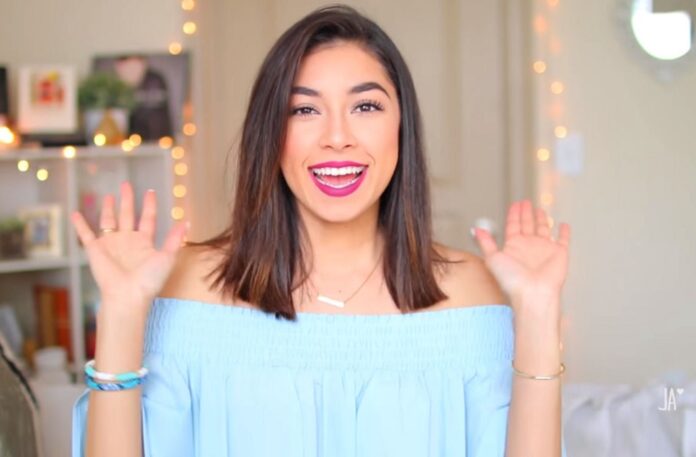
Beauty and lifestyle vlogger Jeanine Amapola explains the exact steps and tools she uses to create videos, which have so far garnered her over a million subscribers to date.
Every single day across the world, over a billion people tune in to YouTube to watch millions of hours of videos. And yet the majority of these people may never make a video themselves to upload to Google’s online video platform. Consequently, most YouTube viewers don’t consider how much work is involved in producing and creating the videos they so much enjoy.
But all you YouTube creators contributing to the site’s 400+ hours of uploaded content per minute know better. For you, developing a video idea, filming and editing it, and getting the final version uploaded with an appropriate description and thumbnail can be your biggest challenge. Of course, a plethora of technology and tools has certainly made creating these videos easier. However, it takes a skilled creator to not only pick and choose preferred production tools, but also set up an efficient video production process.

Beauty and lifestyle vlogger Jeanine Amapola seems to have figured out what works — for her at least. In an interview with YouTuber, Amapola revealed her exact process for producing, filming and editing her videos before she uploads them to her channel of over 1.2 million subscribers. Here’s what she had to say about her production process and how other YouTube creators can follow her same techniques to improve their video content.
Why do you think production and post-production are so important to video creation?
“Visuals are key! It’s what keeps the viewers engaged and wanting more. If your content is higher quality, people will notice and will appreciate it. It is also basically required on YouTube now to have good production and post-production work.”
What does your current production workflow look like, step-by-step?
“I start brainstorming video ideas, see which one works well for that week, and begin filming. I sometimes hire someone to help me film if I can’t do it all on my own. Once I film, which usually takes about 2–3 hours or so, I import it to Final Cut Pro X and edit for about 3 hours. Once it’s done, I upload it to YouTube. While it’s uploading I start editing my thumbnail and trying to make that very captivating. Then I fill in the description box of my video. Once everything looks good, I schedule my video to go live for whatever day I usually upload, which is Saturdays and Wednesdays.”
You mention you “see which videos work well for that week” before you record. How do you determine this?
“I don’t copy other people’s videos, but as I scroll down my subscriptions, I see what other people are doing and if it works well for them, then decide if I want to make my own version of it. I also always upload my videos based on each season. That always gives me ideas of what works well for each week. Currently [August 2016], it’s back to school season, so my videos will be based off of that.”

When you hire someone to help you film, where do you hire them from?
“I actually hire film students from my college. It gives them experience and they aren’t crazy expensive for me either.”
How has your workflow changed over time? Have you abandoned any routines or developed new ones?
“Definitely! I used to film with no plan at all. I would just randomly decide what I was going to film that day and just sit down and film. I now always have a list on my phone of what I’m going to film and what steps I’m going to do so I make sure I cover everything.”
Do you plan to implement any new workflow practices in the future? If so, what are they?
“If I do implement anything, it would be to work on my pre-production planning a little bit more than I already do. Maybe do a shot list, storyboard and more research on what video I’m going to put up to see if it’s been done before, and if so, how has it performed. I sometimes just plan things so last minute that they don’t work out as I planned. Pre-production is very important in YouTube!”

What’s held you back from improving your pre-production already? What would you recommend to other YouTube creators in the same situation?
“I think it’s just not how my brain works! I am more of a post-production person, so planning and scheduling stuff is a bit of a struggle for me. I think I would recommend someone to just map out their video as best as they can beforehand so shooting goes as smoothly as possible and you don’t end up forgetting certain shots.”
“I sometimes just plan things so last minute that they don’t work out as I planned. Pre-production is very important in YouTube!”
What specifically does your post-production schedule look like?
“As soon as I’m done filming, I import my footage into Final Cut Pro X and begin looking at the footage to make sure everything looks good. If it doesn’t, I plan whether I will re-film or just make it work. Editing takes about 3 hours or more, since I have to make sure the video is a good time limit, find [creative-commons] music, and cut out any mistakes.”
“Once my video is done, I export it and upload it to YouTube; while it’s uploading, I begin editing my thumbnail on PicMonkey.com. I make sure it’s a colorful and catchy thumbnail. Then I edit the description box on my video and make sure it’s filled with all the correct tags and information, then schedule when it’s going to go live, and that’s it! It’s a long process, but it’s worth it.”
What would you change about your post-production workflow if you could?
“I honestly am fine with my post-production workflow. I think it usually goes smoothly for me, and it’s my favorite part of the whole process. I love editing, so I enjoy post-production.”

What are your favorite and least favorite parts of production?
“I love YouTube, but there are definitely pros and cons to it! Favorite: editing, seeing the comments from my subscribers once I upload a video, acting in the videos and collaborating with my friends. Least favorite: filming, working with lighting, buying new equipment and making thumbnails.”
How do you continually educate yourself?
“I use YouTube always. It’s the best place for me to get educated and find more tools. I learn from YouTube new ways to edit, which camera I should get next, which lenses are good for certain shots and tons more info. YouTube is perfect for it all!”
If someone wanted to follow in your footsteps, what tips would you recommend to them?
“Definitely focus on an upload schedule and try to stick to it, make sure your thumbnails are bright, colorful, and captivating, try to think of original content that you truly love, and most of all, be yourself! There’re so many other channels on YouTube, so if you copy someone or aren’t fully genuine, people will see right through you. Do your channel because you love it and it’s fun, not for money and perks. Lastly, just have fun with it!”
“Do your channel because you love it and it’s fun, not for money and perks.”
Making YouTube videos every week — or even every day — can be a challenging task for content creators. In order to upload content regularly and continue growing your audiences, you should focus on optimizing your production process as best as possible. When something doesn’t seem to be working, YouTubers look to other creators who, like Jeanine, are successfully maintaining popular channels for video creative advice.
Of course, you should also remember to do what works best for you as an individual creator when it comes to your production workflow. Do some research, try new techniques or tools and stick with what works. Your channel will thank you.
YouTuber Magazine is a digital periodical. Subscribe here to have the next full issue delivered for free.
monperatoto
monperatoto
slot gacor
monperatoto
monperatoto
monperatoto
slot gacor
monperatoto
monperatoto
monperatoto
monperatoto
togel online
If Your Channel Relies on Advertising Revenue Alone, Proceed With Caution
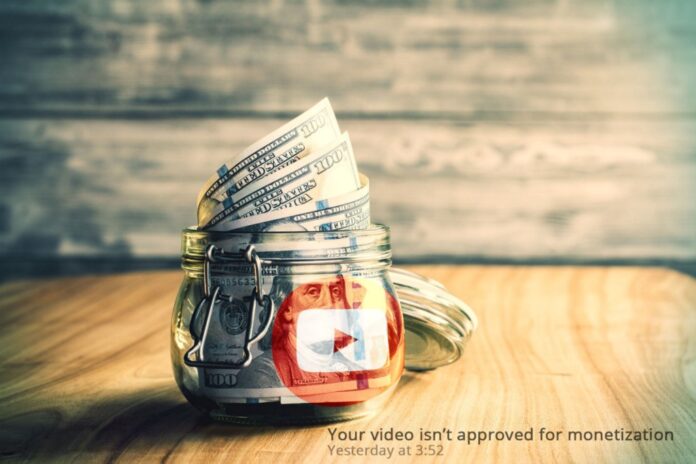
#youtubeisoverparty
The advertising industry is a fickle beast. While we as content creators like to think of ourselves as servants of our audience, they’re often not the ones paying the bills. For many on YouTube, ad revenue is their channel’s only source of revenue. As we learned with YouTube’s latest step toward appeasing advertisers, relying on this single source of revenue can be a dangerous strategy.
As a refresher, YouTube rolled out an update which notifies YouTubers when their videos are deemed unfriendly to advertisers. Videos are policed by an algorithm which attempts to determine whether or not a video is controversial or offensive in nature. If it is, advertisers can choose to not have their ads placed in front of that video. Most advertisers choose to avoid videos flagged as controversial or offensive and thus, that video makes a very small fraction of what it would if it weren’t flagged.
Some YouTubers and fans are pretty upset about this, citing it as a form of censorship. For a more detailed explanation of the whole situation, I advise reading this article from the Internet Creators Guild.
It’s been argued to death, so I won’t go into whether this change is good or bad for creators, advertisers or YouTube as a whole. Rather, I want to discuss over-reliance on advertising as a revenue source.
It’s entirely possible that YouTube could take drastic measures to increase revenue or reduce expenses, leaving content creators high and dry.
Though it’s now over 10 years old, relative to traditional media, YouTube and the industry of online video is still rather new. It’s going through growing pains, so some volatility is to be expected. But even as things continue to settle, if your YouTube channel is a business, or if you hope it to eventually be a business, you should expect even greater swings in the whims of advertisers and be prepared to rely on alternative revenue sources.
A common solution for YouTubers is to sell merchandise like T-shirts, posters, hats, and stickers. Some channels have had luck getting viewers to pay them directly via Patreon. YouTube channels that heavily feature products include links using affiliate trackers to earn commissions from retailers like Amazon.

And then there are branded deals. When your channel is big enough, advertisers may approach you or your MCN directly in order to incorporate their product natively into your content. This is a great way to earn meaningful advertising revenue without sharing a penny with Google.
As professional creators, managing revenue is only part of our job. Audience cultivation and management is just as important when having an engaged audience is the key prerequisite for earning ad revenue.
What if YouTube shuts down tomorrow? I don’t believe that would happen, but as of 2015, YouTube is still unprofitable. It’s entirely possible that YouTube could take drastic measures to increase revenue or reduce expenses, leaving content creators high and dry.
Planning for this kind of disruption may sound extreme, but it’s something big companies do all the time. Facebook for example, fears a day when they may be banned from Google’s Play Store. In preparation, they may have begun developing their own app store.
As a content creator, you should work toward having your audience follow you on multiple platforms, and I’m not talking about you as a personality. Ideally you should be prepared to uproot your entire organization and have people watch your videos elsewhere. Facebook is the ideal target, but don’t rule out Vimeo or even your own website.
If you have a healthy, diversified revenue stream coming from pre-roll advertisers, third party sponsors — i.e., brand deals you sell yourself — merchandise sales, affiliate links and crowdfunding, all spread across multiple platforms, you’ll be well protected if one of those revenue sources or platforms evaporates. Otherwise, while times may be good today, your future is resting in someone else's hands.
YouTuber Magazine is a digital periodical. Subscribe here to have the next full issue delivered for free.
situs slot gacor
situs gacor
situs toto
rtp slot
situs gacor
link slot
situs gacor
slot resmi
slot resmi
monperatoto
monperatoto
slot gacor
monperatoto
monperatoto
monperatoto
slot gacor
monperatoto
monperatoto
monperatoto
monperatoto
togel online
Next gen vlogging: spherical video
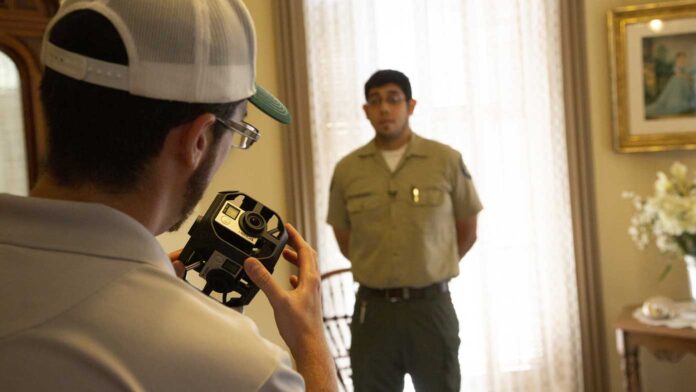
Spherical video and VR are suddenly popping up on everyone’s Facebook timeline and all over YouTube, but what are they and how can you use this new format to tell a story?
We’re entering the age of spherical video. Everyone from National Geographic to Netflix, real estate agents and vloggers are using spherical video as a way to deliver their content — and why not? It’s a fantastic way to immerse your viewers in the scene.
Why spherical?
While spherical video and VR technology are relatively new, they’re already popping up everywhere. While Google Street View has been around for a while, the rise of spherical content seems to have happened over night. This sudden abundance of content is the result of a perfect storm of technology.
First, the technology needed to produce spherical video has rapidly become affordable and accessible. The Ricoh Theta S, for instance, starts at just $350, less than a GoPro HERO5 Black.

Second, there are already existing networks that can distribute spherical content on the web.YouTube and Facebook have become not just platforms for the technology but also its advocates. Both YouTube and Facebook see spherical video and VR as important parts of their future business model, so much so that Facebook even dropped two billion dollars acquiring the VR company Oculus, makers of the Oculus Rift.
Lastly, over 90% of the US population has a device in their pocket that will allow them to view spherical video. Virtually anybody who wants to view spherical content now can.
Spherical video, easier than ever
The user experience with spherical video and smartphones feels very natural and intuitive, and uploading the content is just as easy. Both YouTube and Facebook do all the heavy lifting for you. With many consumer-grade spherical video cameras, all you do is transfer the video wirelessly to your smartphone and upload. It’s crazy simple. In the past, if you wanted to edit your spherical video, you needed special software, but recently Adobe released updates to Premiere Pro that allow you to edit your spherical footage without additional plug-ins or programs.

Gearing up for spherical
We aren’t going to go deep into the cameras available because it seems like every week there’s a new one coming out. However, over the past year there have been a couple standards. For the enthusiast who only wants to spend a few hundred bucks, the Ricoh Theta at $350 is a great choice. Now the video isn’t going to impress you with the quality — in fact, it’s kind of poor. If you want clear, professional-quality video, the cheapest solution is a multi-GoPro rig like the Omni, which will set you back around $5,000 when equipped with the required six HERO4s. The image quality for this rig is sure to impress. There are also several companies that produce GoPro rigs for purchase and rental. If you have deep pockets and want something that records crazy high quality spherical video, take a look at the Nokia Ozo — though for $45K most people will probably pass.

Creating spherical content
Shooting spherical video is very different from any other type of videography. With traditional cameras, the perspective is fixed, and cinematographers use this to draw focus or emotion to specifics in the scene. With spherical video, that is not the case. The viewer sees the entire set as if they are standing there. It is important to keep this in mind when shooting.
The placement of the camera should be motivated by where an actual person in that scene might be experiencing the action. It is not the right tool to get really creative with camera placement — keep the camera at the eye level. Also, because spherical video cameras shoot with very wide angle lenses, there is serious distortion close to the camera. Unless you want that effect, it’s important to keep a distance between the subjects of your shot and the camera.
https://medium.com/media/f4fcc39f93a00efdb02f48aa50066eb7/href
What to shoot
It’s not hard to imagine who would get excited about spherical video cameras. The format is perfect for horror enthusiasts who want to put their viewers in the middle of the terror, travel vloggers who want to take the viewer to the location and real estate agents who want to offer immersive property tours.
Several publications have embraced spherical video, including National Geographic, who uses spherical video to take viewers to remote and beautiful locations. Hit Netflix show “Stranger Things” also used spherical video in an online promotion to give a creepy tour of a house that may or may not have a monster dwelling inside. (By the way, if you haven’t watched that show, you may want to reevaluate your life choices.)
Spherical video technology is really great for anyone who wants to give their viewers an immersive experience — even if it’s just a tour of your set that you post on social media to promote an upcoming video. There are plenty of ways to have fun with this new format.
YouTuber Magazine is a digital periodical. Subscribe here to have the next full issue delivered for free.
situs slot gacor
situs gacor
situs toto
rtp slot
situs gacor
link slot
situs gacor
slot resmi
slot resmi
monperatoto
monperatoto
slot gacor
monperatoto
monperatoto
monperatoto
slot gacor
monperatoto
monperatoto
monperatoto
monperatoto
togel online
This is YouTuber

A Digital Magazine for Online Video Creators
YouTuber’s mission is to support online video creators at all levels — from those with a million subscribers to those with a hundred. Within these articles, you’ll find stories and insight relevant to let’s players, vloggers, pranksters, beauty experts, product reviewers and more. You’ll find interviews with top YouTube personalities and industry leaders. You’ll be presented with guides introducing you to free production resources and content inspiration. You’ll read our opinions about important topics and topics that aren’t so important. In short, weµ hope that in every issue of YouTuber you’ll find nuggets of information that help you make your channel better.
“But Mike! YouTube is about videos, not articles. Whatever you want to say, say it with video!”
No one has made that argument harder than me. At Videomaker we constantly ask the question, “Would this idea be better conveyed with video?” And the answer is usually yes. Video is my life. I’ve been lucky enough to have made video my full-time focus for the past 16 years.
But video isn’t the best solution for everything.
When you need a deep understanding of a topic, the more active process of engaging with an article allows you to absorb information at your own pace. You can spend extra time with ideas or pause to reflect on ways to use those ideas in unique ways — not to mention the fact that referencing an article is often easier than scrubbing through a video when you need to look up a tip on the fly.
Having a YouTube channel is a craft and a skill like any other. It takes time, dedication and continuous learning to improve. Even today’s greatest YouTubers are still learning and evolving. With YouTuber, you can dig deep into the concepts that will help you make outstanding videos.
This isn’t TIME Magazine or National Geographic. We’re not high-minded publishers on a soapbox. We’re YouTubers ourselves. Our writers are YouTubers. We love this community and we hope to give back to it by sharing the knowledge and insight we’ve picked up over the years. In doing so, we hope you, our readers, are inspired to give back as well and write your own articles for YouTuber.
That’s why we’ve created YouTuber; It’s is how we YouTube without YouTube. We hope you’ll join us.
YouTuber Magazine is a digital periodical. Subscribe here to have the next full issue delivered for free.
publisher/editor: Matthew York
associate publisher: Patrice York
director of content: Mike Wilhelm
managing editor: Nicole LaJeunesse
web developer: Katherine Gabales
multimedia editor: Chris Monlux
art director/photographer: Susan Schmierer
director of business development: Terra Yurkovic
account executive: Lindsay Cox
director of finance: Stephen Awe
accountant: Ryan Awe
marketing & fulfillment manager: Tiffany Harness
business development representative: Sascha Bloom
YouTuber is published quarterly by Videomaker, Inc., 645 Mangrove Avenue, Chico, CA 95926. ©2016 Videomaker, Inc. All rights reserved. Reproduction of this publication in whole or in part without written consent of the publisher is prohibited. The YouTuber name is a pending trademark, property of Videomaker, Inc. Editorial solicitations welcomed; publisher assumes no responsibility for return of unsolicited material. Editorial-related photos and artwork received unsolicited become property of Videomaker Inc.
Videomaker Inc. makes no representation or warranty, express or implied, with respect to the completeness, accuracy or utility of these materials or any information or opinion contained herein. Any use or reliance on the information or opinion is at the risk of the user, and Videomaker Inc. shall not be liable for any damage or injury incurred by any person arising out of the completeness, accuracy or utility of any information or opinion contained in these materials. These materials are not to be construed as an endorsement of any product or company, nor as the adoption or promulgation of any guidelines, standards or recommendations.
situs slot gacor
situs gacor
situs toto
rtp slot
situs gacor
link slot
situs gacor
slot resmi
slot resmi
monperatoto
monperatoto
slot gacor
monperatoto
monperatoto
monperatoto
slot gacor
monperatoto
monperatoto
monperatoto
monperatoto
togel online
slot gacor
slot gacor
togel online
slot resmi
slot gacor
slot gacor
slot gacor
togel
toto togel
situs togel resmi
situs togel terpercaya
situs toto
slot gacor
slot gacor
Guilding the Internet: An Interview with Hank Green

As co-founder of VidCon, The Internet Creators Guild, the Project for Awesome and more, Hank Green has proven to be one of the internet’s most influential personalities.
YouTube was only two years old when a biochemist from Montana decided to share his musical musings about Harry Potter on the fledgling video-sharing site. Hank Green penned his ditty, “Accio Deathly Hallows,” in anticipation of JK Rowling’s seventh release in the Potter series, “Deathly Hallows.” The video of Hank strumming and humming his complaint — I’m gettin’ kinda tired of this/ Pre-publication media blitz — is still getting views nearly 10 years later, now honing in on two million. Word on the street is that Accio’s feature on YouTube’s front page catapulted Hank and his brother John, better known as the Vlogbrothers, to YouTube stardom.
We had a chat with Hank to pick his brain about what he was thinking when he launched the Internet Creators Guild (ICG). But first let’s unpack a wee stretch of the YouTuber’s journey and how he got here from there.

Leaning Forward
“I saw from the beginning that online video was going to be a very important part of culture, and I just wanted to be a part of it,” Hank tells YouTuber from his production studio in Missoula, MT. Before YouTube, Hank paid his bills working as a camera operator and doing graphics at local TV stations. His father was a documentary filmmaker.
It was his brother John’s fixations on YouTube performance artists that got Hank hooked on internet video.
“John was particularly obsessed with Zefrank, who in a lot of ways defines the genre of the video blog,” says Hank. “He was doing really interesting stuff and we saw that the people watching the content were an important part of the thing that he was doing. That was really appealing and interesting to us.”

Hosea Jan Frank was one of several trailblazing video bloggers who owned the conversation performance space on YouTube that was just taking off in 2006. Torn-from-the-headlines commentary chopped up with visuals and quirky clips supplied by fans made the show with Zefrank a daily three-minute head spinner of never-seen-before video content. With episode views in the hundreds of thousands and a million channel subscribers, the online video community sat up and took notice.
Other early YouTube notables from the day who are still around include Philip Defranco, Tyler Oakley, Michelle Phan and Grace Helbig.
“People I had a lot in common with and people who with their content were highlighting what was boring about traditional media, fitted my aesthetic really well,” says Hank. “It’s this lean back versus lean forward thing.” Traditional media was about something that happens to you as opposed to new media where you participate and make your own stuff, explains Hank.
Hank and John Green launched their first YouTube channel, Vlogbrothers, in 2007 to host a daily video blog they called Brotherhood 2.0. The premise was for the brothers to stop communicating by textual means for a year, instead communicating only through video blogging. The daily dose of the Vlogbrothers was so popular and the Greens loved doing it so much, they couldn’t put it down and have since launched other YouTube channels including their educational hits Scishow — ‘you make curiosity contagious’ (3.7 million subscribers) — and Crash Course — ‘creating smarter people’ (4.7 million subscribers).
VidCon and the Guild
While they were picking up a huge following of millions of subscribers and garnering gazillions of views, the Vlogbrothers and their fellow YouTube pioneers were transforming the DIY video sharing community into a digital content creation industry. Driven by imagination, innovation and advertising dollars, the swelling cultural force of online video needed an outlet. Hank and John Green gave it a place to party, and they called it VidCon, an annual gathering of international creators, fans and industry gurus.
“The goal of VidCon is to reflect the state of online video and let the industry define itself,” says Hank, who has since delegated much of his day-to-day involvement with the event to showcase “other people’s ideas of what’s interesting.”

When VidCon was first launched in 2010, about 1,400 believers showed up. Since then, the event has doubled in size every year. Thirty thousand online video disciples mixed and mingled in the summer of 2016 to take part in panels, seminars and master classes where the established and the proven schooled the next generation in strategies and secrets. “To drive more viewers, engagement and revenue across every significant social video channel,” reads the blurb on VidCon’s ‘about’ page.
According to Hank, there are 37,000 YouTube channels that get more than a million views a month. And the most prolific online personalities creating content across a range of categories — education, gaming, how-to, politics, lifestyle and music — are making a decent living from it or significantly supplementing their income.
“I started paying my bills with YouTube money around the time I hit a million views a month,” writes Hank in a post that introduces the Internet Creators Guild.
The ICG’s goal is simply to increase the number of people in the world who can be creators professionally, according to the banner on ICG’s home page.
Part support group for content creators, part industry watchdog, the Guild came out of Hank’s concern that unseasoned creators might not be getting the best deals from video streaming platforms such as YouTube and Twitch.
“Maybe these people were young and inexperienced, the kind of thing you might see in the music industry,” says Hank. With ten years of content creation notched on his belt, he says he’s had many conversations with YouTube that other creators should have been a part of.

He explains: “Because we were old school and we’ve been making content for a while, we’ve been advising YouTube for a long time. They’ll come to me with product ideas and I’m like, I’m just one guy and I don’t want to be the only voice. I don’t want you to think that me and my five friends are the people who are representing the creator community, which is literally tens of thousands of people.”
He says he’s seen new YouTube product launches fail because the lines of communication between creator and platform can get crossed.
What’s needed says Hank is “some kind of intermediary that’s trying to give platforms a fairly unbiased view of what the creator community’s interests are. And also giving the creator community an unbiased view and a well-communicated look at what platforms are doing right now and what they could be doing that might be better for creators.”
The most urgent impetus for starting ICG, says Hank, is to bring solidarity to the creator community, which he sees as mostly a loose collection of groups of friends who come together only occasionally to collaborate on projects.
Hank is using proceeds from VidCon to launch the Guild, which he’s stacked with a stellar board of directors made up from influencers on both sides of the creator and platform divide. When we caught up with Hank, he was in the thick of juggling several projects and preparing a podcast. We asked him how things were going moving forward items on the freshly minted Guild’s to do list.
The Manifesto
To keep the conversation organized, we tackled each tenant of the ICG manifesto individually.
Share stories and strategies from professional creators that will be available only to members
If you’re making stuff on the internet, you can be an ICG member, and for sixty dollars a year, Hank says he’ll make it worth your while.
“We’ve got about 500 members right now. Every week we release a podcast, which is an interview between me and a creator who is making money at some level. We’ve done everybody from Tyler Oakley, who obviously has a gigantic following, to an episode with R. J. Aguiar, a daily blogger who’s been cranking away at this a long time.” Hank says the Creator Talks podcasts fit snugly into the Guild’s mission:
“Some creators are like, this will supplement our income while I try to build up my social media presence which helps me get jobs, and there’s Tyler Oakley who’s like, yeah I make money through all these eight different strategies, and I have a really robust team of people around me to help me.”
The podcasts are all archived, and Hank is looking to put together a compendium of text-based resources as well.
Increase transparency about what creators do and don’t receive from MCNs (multichannel networks), advertisers, agencies, and managers

YouTube offers a definition of MCNs for creators on its Partner Program page: Multi-Channel Networks (“MCNs” or “networks”) are third-party service providers that affiliate with multiple YouTube channels to offer services that may include audience development, content programming, creator collaborations, digital rights management, monetization, and/or sales.
Anyone who meets YouTube’s criteria and passes a written test can become a certified third party service provider for channel creators. But, says Hank, there is no consistency in the deal making:
“We hear often from people, and I’ve had this experience, where you’ll basically do a deal and then you’ll hear from a friend who has roughly the same sized channel as you and they got paid twice as much. And you’re like, well how did that happen, what did I do wrong?”
Hank says the online monetization landscape for video creation is so new that often ad sales people don’t yet know what a contract should look like: “So we want to work with MCNs and agencies to create some stability in terms of how much people are making. But also, what are the deal points that we definitely think shouldn’t be in a contract and what should be.”
Platforms and advertisers want rules in deal making as much as creators, but the difficulty Hank says is “when you go to a creator and they’re like, this contract is crap, whereas another creator might immediately accept it. So I think that everyone wants a little bit of standardization. We’re in the early stages of reaching out to all the stakeholders.”
Share useful information on everything from dealing with stalkers to understanding your audience.
“A lot of people deal with things you wish they really didn’t have to deal with,” says Hank, who has a friend trying to cope with a bad stalking situation. He says the friend has the support of UTA (United Talent Agency), the L.A. agency giant, to take things in hand, “But in this brave new world, if you have an audience of 10,000 people and one of those people happens to be a stalker, then you’re in trouble because at 10,000 people, you don’t have enough of an audience to have an agent. Guild membership gives creators an infrastructure that can protect you when stuff goes wrong; you know what to do and how to do it and how to protect your identity.”
The Guild’s online membership center also offers guidance for maximizing YouTube’s community management tools. “I’m working on a resource right now that lets you promote members of your audience to moderate your comments,” Hank says, “how to inform them of your policies, how to decide what your policies are going to be and how do you create that system? It’s a very granular thing that’s only interesting to people who make YouTube videos enough, that are controversial enough that they need to do that. If that information isn’t being shared, everybody has to be reinventing the wheel.”

The Guild’s members-only chat room is a robust forum for kicking around ideas and sharing concerns. “We see things in there like, ‘what should my philosophy be about making a video that I think is just about getting views versus a video that I’m actually proud of in terms of its content?’ I watched that conversation happen last night. It’s the eternal question; do you make content that you’re really proud of or do you make content that’s going to get watched. And when and how can you do both of these things at the same time? But also things like how do you effectively use Patreon (the crowdfunding platform), what kind of content works best with crowdfunding, what kind of content works best with brand deals, what kind of content works best with merchandising? So there’s monetization stuff, but there’s also actual craft conversations that I think conferences should be having more of, like how do you make your content look good? What kind of lenses should you use, what kind of lighting should you use?”
Foster diversity in online video content, including but not limited to language, age, race, gender, and economic opportunity.
“In some ways,” Hank says, “we’ll be reaching out to our membership to be thinking about [fostering diversity] and to be thinking about how they make content that’s appealing outside of their base audience. But I think it’s also making sure that information is shared outside of friend groups. If it’s just me telling all the people that I know about how to be an online video person, then it’s like I’m talking to a bunch of people who are just like me because I live in Montana and my friends are like me. But if the information is shared more broadly and if it’s available inexpensively, then hopefully we’ll see a future where how to bring down the barriers for distribution and production is more broadly available. There will be less of a lag than there has traditionally been in terms of skills getting to every demographic in America.”
Unify the voice of online creators to create change.
What that means, explains Hank, is “to decrease the amount of friction for someone to become a professional creator.”
Ultimately, the benefit of ICG membership is that creators as well as industry types have access to a community of people who are going through similar things: “We just had our first real life meet-up in New York City where a bunch of ICG members — between 20 and 30 people — got together and had a chance to feel a little less isolated as creators. I think that often, it can be a fairly isolating thing. You don’t really know that other people are going through the same things as you. You get to support this industry and end up having a voice that we don’t currently have. And also, you have access to all of our case studies, interviews and the resources that we’re building to make it easier when something goes wrong. We just want to make it easier for folks.”

Hank Green, seasoned digital entrepreneur with a degree in biochemistry, musician, educator, producer and vlogger, says he doesn’t think a lot about the future of the industry because he’s not very good at predicting what’s next.
“I think we can draw parallels between what’s happening in video right now and what happened in music in maybe the 50s and 60s.” Hank continues, “There will be some consolidation but there will also be people who are always doing the weird, interesting cultural things. In the same way that happened in the 50s, you get content that’s opened up to different kinds of people instead of making content just for the biggest group possible. So you get content that’s being made for people who weren’t represented before. And that’s really exciting. In my opinion, as long as more people get to be professional creators and get to be making stuff for a living, because I think that it’s just a really fascinating job that I’m really lucky to have, then I’m happy.”
YouTuber Magazine is a digital periodical. Subscribe here to have the next full issue delivered for free.
situs slot gacor
situs gacor
situs toto
rtp slot
situs gacor
link slot
situs gacor
slot resmi
slot resmi
monperatoto
monperatoto
slot gacor
monperatoto
monperatoto
monperatoto
slot gacor
monperatoto
monperatoto
monperatoto
monperatoto
togel online
slot gacor
slot gacor
togel online
slot resmi
slot gacor
slot gacor
slot gacor
togel
toto togel
situs togel resmi
situs togel terpercaya
situs toto
slot gacor
slot gacor