Home Blog Page 159

4 of the Best Vlogging Collaborations on YouTube (and Why They Work)

Collaborating with a fellow YouTuber is a great way to increase views and gain a bigger audience. Here are a few collaborations that have worked and some ideas to get you inspired.

When it comes to creating content on Youtube, the saying that two is better than one is a good piece of advice. YouTube is a community after all. The main reason people love the website so much — and why people from all over the world flock to it — is the aspect of community. People can come together and create inspiring and fun content for people to watch, whether by themselves or by collaborating with other creators.

The reason YouTube creators should consider collaboration is the same reason for creating a channel in the first place — to get people to view your content. Collaboration is simply helping one another. You appear as someone else’s guest in one of their videos and in return, they make an appearance in yours. This will help fans of one creator find and become fans of the other, resulting in growth for both audiences. Collaborations, therefore, can potentially help your channel gain new subscribers.

Collaborations can coming in many forms.

Collaborations can be as easy and simple as linking to complementary videos across channels or as involved as planning and producing completely original content. Once a collaboration is made, using social media to get the word out on your video is another good way to bring in viewers, so make sure you and your collaborator both publicize the collab video once it’s posted.

Collabs Done Right

Collaborations can come in many forms. Most often, they happen between creators, but collaborations between creators and other public figures and sometimes even between channels and brands are also possible, though the definition does start to get muddy when you start talking about sponsored video.

Here are four YouTube collaborations that work, in no particular order.

Chris and Jenny Bingham

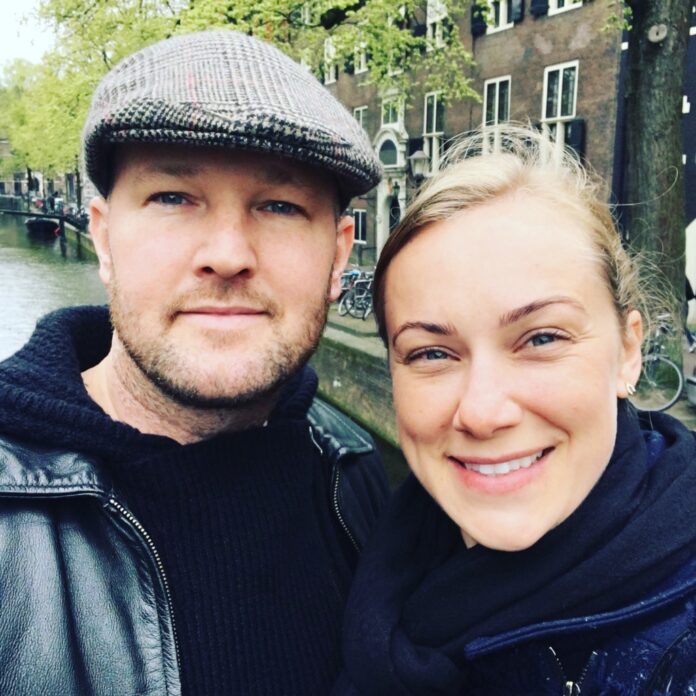
One of the easiest ways to collaborate is to find someone in the same area as you. A collaboration can be as simple and easy as working with someone who is nearby, like a friend or, for Chris and Jenny Bingham, siblings. Here, it works because the two are literally blood-related. They share a common ground. That connection between the two makes the collaboration work because the two have similar personalities and styles of humor. In the end, it works perfectly as the two blend together. They work off one another, the banter isn’t forced and it doesn’t feel like they are simply reading off a script.

It’s important to have a good connection to the creator you want to collaborate with. As siblings, YouTubers Jenny and Chris Bingham have an automatic rapport on camera.

Mamrie Hart, Grace Helbig and Hannah Hart

Some of the best collaborations come from the simple desire to hang out with good friends. All three of these YouTubers are successful on their own, creating and sharing funny videos with the millions of viewers who make up their combined audience. When these three creative heavy-weights come together the result is pure gold, in part because of their willingness to be candid with each other and the audience. The success of this video is grounded in the trio’s authentic presentation of their friendship.

Mamrie Hart, Grace Helbig and Hannah Hart (from left to right) each maintain large audiences on their own, but when they come together in a collaboration, the three audiences can begin to overlap.

Hazel Hayes and Amy Schumer

With YouTube, you can collaborate with pretty much anyone, including, in some cases, your favorite celebrity. This may strike you as unrealistic but in fact, a lot of celebrities are crossing over to the video community site, especially when doing promotional tours for upcoming creative projects.

Both parties certainly benefit from working together.

Hazel Hayes does celebrities interviews on her channel for her Tipsy Talk series where she literally drinks with her favorite celebrity. While the collaboration is not between channels in this case, both parties certainly benefit from working together.

Collaborations don’t always have to happen exclusively between two YouTube creators. Celebrities like Amy Schumer will often be willing to appear in videos,

BuzzFeed and Purina

Likewise, collaboration videos can also emerge from relationships between creator and brand. In this case, however, the result is a sponsored video. BuzzFeed is constantly creating content with a variety of brands and when they converged with Purina, the result was immensely successful. Since it first appeared in 2014, the video has earned over 18 million views. The concept is simple, but it showcases the emotional power content marketing can wield for both creator and brand. Again, since collaborating with brands puts you in the territory of sponsored video, make sure you are being compensated fairly and that your relationship with the brand is fully disclosed to your audience.

When you collaborate with a brand, you’re making sponsored content. Finding a sponsor can be a great way to fund specific video ideas or just generate revenue for your channel overall.

Get Inspired and Go Collaborate

Being creative and finding ideas that work is what makes a YouTube channel work. This is also true for finding the right people to collaborate with on those creative ideas. Like all connections in life, such as friends and relationships, finding that right person makes everything better. Chemistry is key. Without it, that connection is lifeless.

A good collaboration will drive views and increase awareness for your channel. To begin collaborating with someone, you need to figure out the right kind of creator to connect with. Start by initiating a conversation with a creator you admire or who produces similar videos to yours.

You can reach out to other YouTubers through a variety of outlets. Chat forums and other types of social media like Instagram and Twitter are all good places to make connections with fellow creators.

Here are a few places to look for people to collaborate on your videos with:

•The YouTube Partners Google+ community

• YTtalk Forum

• The YouTube Community Forum

If you think collaborations are meant for those who have been around the block, you would be wrong. The best time to collaborate is when your channel is just starting out. Collaborations bring in a new audience and increase views.

Collaborations are not just for those who have a million subscribers.

Collaborations are not just for those who have a million subscribers, they’re for anyone with the desire to make their channel known. If you are just starting out with a YouTube channel, collaborating with someone is a great way to attract new viewers. Plus, it will benefit both parties and give you an encouraging push forward in making a name for yourself as a creator within the community.

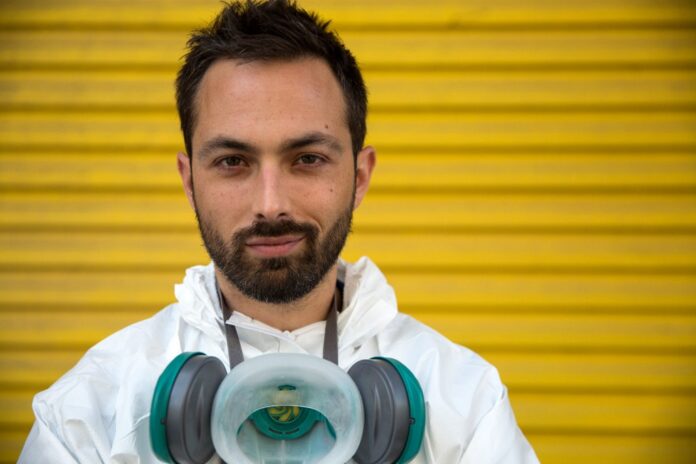
Get YouTuber.

Inside Veritasium: An Interview with Dr. Derek Muller

Veritasium is one of the most popular and successful science channels on YouTube. It was launched in 2011 by Dr. Derek Muller and has racked up over four million subscribers, along with hundreds of millions of views.

Veritasium
Subscribers: 4,328,480
Uploads: 233
Video Views: 373,111,659
Channel Type: Education
Created: Jul. 21st, 2010

Dr. Derek Muller’s success on YouTube has helped open doors for him in other avenues, including being a correspondent on the Netflix series, Bill Nye Saves The World. YouTuber sat down with Derek in Los Angeles to get insight into the mission and success of his channel, as well as tips for new content creators who are just starting out.

Veritasium and Dr. Derek Muller

The Veritasium channel successfully navigates the balance of educational and entertaining. In building the channel, Derek draws on his background: both his formal education and other life experiences. He states this is a common trait with other content creators, saying, “With most YouTubers, everything in their lives prepared them for their career.”

Derek has a PhD in physics education research and the title of his thesis, Designing Effective Multimedia for Physics Education, gives a pretty clear idea of how relevant his academic work is to the Veritasium channel. To oversimplify: he has a doctorate in making videos for science education.

However, Derek’s doctorate is only part of the equation; he draws on a personal history with the arts, particularly performing and filmmaking. “Through high school I was doing physics, chem and bio. I went on to study engineering, physics and also film,” says Derek. “When I was a kid, I was acting and performing in musical theater. In downtown Vancouver, I played Tiny Tim in A Christmas Carol when I was 12; as I got older, I was in Shakespeare plays, school musicals, I was playing french horn and guitar. I had these dual interests in science and the arts… so I feel this (Veritasium) is an opportunity for me to use my strengths to bring everything together,” Derek explains. “I love teaching via video.”

Derek wholeheartedly believes in the power of video as an educational tool. He brings up some of the ways that multimedia has a benefit over traditional class-room based learning, “since you’re not doing it live, you can get the explanation word-perfect, you can do demonstrations that are too dangerous to do in class, you can shoot things in slow-mo, you can make things visually much more appealing, and you can edit out what might be boring parts of you class”.

Dr. Derek Muller travels all over the world to capture and explain exciting phenomena — like the recent solar eclipse.

In his quest to make effective educational multimedia, Derek researched how people learn from science videos. His findings indicated that if people had a preconceived notion of how a scientific principle works, they tended not to pay attention to the video’s explanation. He found that the way to get around this issue was to present the commonly held incorrect beliefs before demonstrating why they are wrong and then following up with the correct information. This method generally encouraged people who held those incorrect beliefs to pay attention, learn why they were wrong and, ultimately, gain a better understanding of the principle being discussed. As Derek puts it, “The right sort of videos, I think, can trigger deep thinking, deep cognition — but you have to make the video in the right way. You have to make the video in a way that engages with people’s prior knowledge, which includes talking about misconceptions. Or you need to give people an interesting conundrum, or an interesting problem or question, and I think people will come along with you on that journey.”

The Lead Up to Veritasium

Derek had an interest in filmmaking for quite some time. “When I graduated high school, in 2000, I remember thinking, ‘I want to make films, but I don’t want to… go and be a PA for a few years and run copies for people and eventually direct a commercial,’ that’s not my idea of a good career path… it was a situation of I was good at science, and science is an area where if you’re good at it, it shouldn’t be to hard to get a job, and then there was filmmaking, which is a crap shoot. That’s why I hesitated to go into it.”

Although Derek didn’t see it as a career, he was still drawn to the craft, “I started making videos in 2001 or 2002. These were silly videos I made with my engineering buddies; we made things with vampires, yetis, pirates, ninjas… I was directing and editing”.

It wasn’t until after completing his education at university and having some financial stability that he devoted himself to filmmaking full time, “In 2010, that’s when I realized I’m in an OK position; I could support myself financially, I was teaching a bit on the side, and I thought now is the time — if what I’ve told myself is that I want to be a filmmaker, well, you got to start making films at some point, and doing it with both hands.”

Derek is often drawn to extreme environments in the name of science. He traveled to some of the most radioactive places on Earth, including Chernobyl, to produce a video exploring those locations.

Then Veritasium was born. “I really started at the beginning of 2011. I was working more than 40 hours a week on YouTube videos, on making the channel. I wasn’t expecting everything to happen overnight, but I thought, lets give this at least six months and try it out and just keep making videos and see if anything sticks,” Derek says of the channel’s beginning. “It was probably in my second or third month that one of my videos went a little bit viral on Reddit and had half a million views in a week or two. I couldn’t believe it — I was over the moon — and then things settled back down and nothing happened for months and months and months.”

Working full time on a channel and releasing a video every week without much reception can be daunting, but Derek kept working even though he wasn’t seeing big results. He recalls the struggle: “At some points, I definitely started thinking about quitting, after being in it six months and maybe having one or two successful videos, but I was talking to friends and people were really supportive, so I stayed at it, and eventually I got another hit in my ninth or tenth month, and that kept giving me a little bit of motivation.”

Success doesn’t come easy, but Derek stuck with it and developed an audience. “For me it was six and a half years of challenges, changes, experiments, always learning. That’s one of the fun things about it, and its one of the most frustrating things about it; you never quite know what you’re doing — at least I don’t — you’re always just trying to figure it out.”

In hindsight, Derek has gained an understanding and appreciation of the slow process of building the Veritasium channel, “I look back at those (early) videos now and I cringe at a lot of them, because I wasn’t that good, and I needed that time to develop, and it’s probably good that I didn’t get too big of an audience too early because I had time to experiment and change what I was doing, really develop my process and make better videos… It’s a huge learning curve.”

Running Veritasium has given Derek a lot of unique opportunities, including a chance to handle the roundest object in the world.

Production

The Veritasium channel has been, for the most part, a one-man show. Derek explains, “For the last six and a half years, I’d say about 98 percent of the work has been me… Typically it’s me holding the camera, or a friend or a family member, or someone who just happens to be around. I’ve sort of made-do with what I’ve got and done it on the cheap.” He continues, “I think there’s real value in having a team, but I think that’s one of my biggest challenges right now, because relying on yourself to do everything is not a sustainable long-term solution.”

Derek also has to find topics that interest his audience. He says inspiration for videos can come from any number of sources, “In the early days a lot of topics came from things that I knew people found hard to understand, because as a teacher, I knew they were common misconceptions. Sometimes I make videos based on a book I’d read or a conversation I had with a friend, some videos came out of comments on other YouTube videos — from the audience.”

Even insdie historic landmarks like Marie Curie’s lab, Derek’s videos are often as informal as they are informational. He’s no stranger to the selfie, but he still make an effort to ensure his video is clear and watchable.

Veritasium is known for having videos about some of the most exotic science-related locations in the world. To create content for the channel, Derek has shot in places that include Marie Curie’s Lab, Chernobyl and an anechoic chamber; he has taken zero-G plane rides and handled the roundest object on Earth. To get to do all these things, Derek gains access through a number of means. For some places, the clout of his channel can get him through the gate. Other locations Derek visits as part of a larger project — a broadcast documentary on Uranium took him to Chernobyl — and he uses the opportunity to shoot short Veritasium videos while there. He recalls that it hasn’t always been easy to gain access to locations, and for new content producers, he advocates networking and developing personal connections to help open doors.

Equipment

Veritasium is currently shot with the Panasonic GH5 after upgrading from the GH4. For audio, Derek often uses Sennheiser wireless mics, and on occasion, Sony kits. Sometimes GoPros are used to capture alternate angles.

Derek listens to his audience and uses their feedback to help determine his needs in terms of gear. He recently picked up a motorized gimbal because of comments he was getting. “With the GH5, there is 5-axis stabilization on the sensor, but with a wide lens like a 7mm that I put on there so I can do ‘selfie-style,’ the background ends up sort of doing some weird warping… my audience was getting on me in the comments. I thought ‘I gotta do something about this,’ so I got this Zhiyun Crane and the shots are Steadi-cam smooth now.”

Equipment is not as important as results in Derek’s work. Here, he uses a lav mic rather than a more traditional handheld interview mic, but he still gets the sound he needs.

At the core of Derek’s decision making is functionality. This is perhaps best exemplified by the quirky way he sometimes uses lavalier mics — holding them for his guests to speak into. He explains, “I really found the omnidirectional nature of the lav pretty effective in doing interviews… the audio quality is great, and with those performance mics you get a bit of noise based on how you hold the mic and they’re quite directional, so you might miss someone’s mouth. I actually love the lav sound, but it did look silly.”

At the end of the day, it’s not about having the most expensive or fanciest gear. Derek advises that content is more important than equipment, “You do the best you can with what you’ve got. Although I shoot these videos on a GH5, I could probably shoot them on an iPhone and it wouldn’t change them that dramatically.”

Advice for New Filmmakers

Derek’s main piece of advice to those looking to start a YouTube channel is simple: just start doing it. Make something, and then keep going. He says, “The thing most people suffer from is the inability to get started, like ‘how do I do it,’ trying to seek that advice from everyone, they just keep talking about it instead of doing it.”

Derek’s main piece of advice to those looking to start a YouTube Channel is simple: Just start doing it.

He paraphrases Ira Glass, host of This American Life, saying “we get into this business because we know what is good, then, when we get started, we don’t have the knowledge or skill on how to make something that lives up to our own expectations, we immediately become discouraged and many people quit.”

Derek explains that it’s OK when your don’t live up to your expectations and that it’s OK to make bad videos. The key is to just keep making them, over and over; you will get better, you will learn more about the technical side as well as the artistry. “You have to be in it to win it. You gotta get yourself in the game. It’s so simple, but it’s tough advice to follow, to get in it and stay in it, just get in there and start experimenting — it doesn’t matter if it’s bad to start with, everyone’s bad. The key is to keep going even though you are bad.”

Derek’s experience has given him insight that should be valuable to any new filmmakers or content creators. He says, “Focus on the process, focus on making the next video better than the last one; that’s what I kept telling myself rather than just looking at the outcome and maybe becoming disappointed. (I was) thinking about ‘what am I doing, what can I do better, am I happy with this?’ Just not getting too hung up whether anyone’s watching it or not. I say that knowing that its a really hard thing to do, because I went through it.”

It’s clear Derek has a lot of fun on his science adventures, as is apparent here as he observes what happens to a flame in zero gravity.
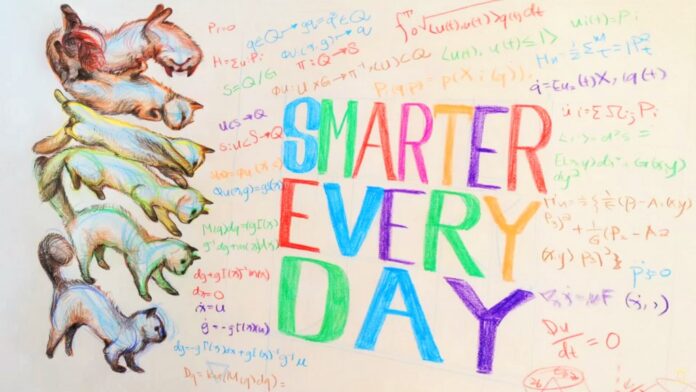
Understanding the Changing Landscape

The constantly changing landscape of YouTube is an important thing for any YouTuber to take into account. To maximize your channel’s potential you must understand how the platform works and recognize changes and their impact.

For instance, Derek has found that posting regularly is more important now. While the site has always encouraged creators to post every week to most effectively build an audience, Derek and other science video producers found that wasn’t necessary based on how their videos were shared and distributed. However, as YouTube constantly refines their algorithm, strategies must also change. In Derek’s experience, he feels that recent changes to the system give recency and regularity of posting more impact towards maximizing views on any particular video.

In another change for the system, Derek has found subscriber count is now less important than it used to be. Research has shown recommended and targeted videos have resulted in longer watch time as well as return visits to the site. As such, those methods of discovery are likely to be expanded. This means subscribers aren’t necessarily translating to views anymore. He explains that this is beneficial for new creators, “It means you aren’t necessarily hampered by the fact that you have a tiny subscriber base, and what’s in Suggested and what’s in Trending isn’t necessarily going to be from the biggest channels. You can get in there if a video catches the algorithm in the right way, and that can lead you to get exposure and to grow.”

But there’s two sides to the coin — Derek continues, “For the big channels, it’s a little frustrating because we used to have guaranteed views just for posting things… but I think we have to accept that we go with the tide; it’s always changing. Some of the bigger changes have caused seismic shifts which I think undermines creators’ confidence in the consistency and stability of the platform, and their revenue, and what they can do going forward, and that’s very traumatizing for the existing players.”

In Conclusion

Dr. Derek Muller has created a hugely popular YouTube channel by being truthful to himself, staying informed, working hard and sticking to it. He followed his interests in filmmaking and science education and created a niche for himself that has led to opportunities on and beyond the platform. He is passionate about video as a medium for teaching and continues exploring how to best utilize the medium to shape the world, inspiring new filmmakers along the way.

As we parted ways, Derek had one last bit of advice for aspiring content creators: “Just get on with it, just freakin’ do it.”

Get YouTuber.

Meet Kati Morton & Sean Saint-Louis, the Husband and Wife Duo using YouTube as a Safe Space to Talk…

Meet Kati Morton & Sean Saint-Louis, the Husband and Wife Duo using YouTube as a Safe Space to Talk about Mental Health

For Kati Morton and Sean Saint-Louis, YouTube is a place where they can foster safe, healthy conversations about mental health. The couple has found a way to combine their individual strengths to produce informal, fact-based videos about mental health. Along the way, they’ve picked up some valuable advice for new creators looking to start their own channel or those who want to address a sensitive topic on YouTube.

Kati Morton
Subscribers: 205,665
Uploads: 874
Video Views: 19,181,227
Channel Type: Education
Created: Dec 22nd, 2011

Five and a half years ago, Kati Morton and Sean Saint-Louis launched a YouTube channel where they share informal, educational videos about a wide variety of mental health topics. Sean works for a production company in southern California and Kati is a licensed therapist. They each bring their own sets of skills and professional knowledge to the project and the success of their collaboration is evidenced by more than 200,000 subscribers and 18.5 million views to date. Initially, their videos were focused on the treatment of eating disorders, Kati’s specialty. However, today their videos cover everything from depression, anxiety and abuse to other difficult topics such as abortion and what to expect during a therapy session.

What started as an experiment has grown far beyond what either Kati or Sean could have imagined, and they’re continually tweaking their model to figure out the best way to bring conversations about mental health to a broader audience.

“We just kind of combined our powers and hoped that good content would land where it was needed,” said Sean.

The original idea for the channel came from Sean, who saw the potential for his wife to use YouTube as a platform where she could directly interact with her viewers. The couple has tried several different video formats and posting schedules over the years, and currently they release new videos every week on Mondays and Thursdays. The Monday videos are “dry” according to Kati and more focused on mental health diagnostics and treatment. On Thursdays, Kati pulls from her FAQs to identify and address a topic that’s generating a lot of comments and questions among viewers.

“In the beginning, we thought we’d run out of video ideas within a couple months. What we ended up finding out was that people had more questions,” Sean said. “We will not run out,” Kati adds.

Input from viewers is extremely important to Kati largely because of the nature of the topics she covers. She keeps careful track of the questions viewers are asking, which helps her decide which mental health topics to cover next. No matter the subject, the first step in the production process is always research. If Kati doesn’t know the answer to a question or doesn’t feel comfortable addressing the issue, she reaches out to a colleague or consults a psychology journal or research paper. Posting approachable, yet fact-based and accurate content is a top priority for Kati and Sean, and research is an indispensable part of their production process. Kati also calls on her audience to share personal, firsthand experiences about a topic, which adds depth to the factual content she presents.

Collaboration in Action

When it comes to filming, their process is pretty low-tech. The couple almost always shoots their videos in the comfort of their home “studio,” which also serves as their dining room and living room. Sometimes they rearrange the furniture just to add a little variety. Kati said they like to batch-shoot, sometimes filming up to 12 videos at once, so they’re not scrambling to release two new videos on time every week. As for post-production, content is key. Kati does an initial edit to eliminate flubs and provide final approval of the mental health content she’s presenting. Sean finishes the edit by adding visual and audio effects and the intro sequence.

“The videos may be lighthearted YouTube videos, but at the end of the day they’re based on really sound mental health information from a therapist, so they really have to be treated as such,” said Sean.

The first videos ever posted on the channel were actually filmed with an iPhone. Today, the duo relies on a basic Panasonic camera, a Zoom recorder, and a couple of box lights to round out their production setup. They’ve also been able to access resources through YouTube Space L.A. for filming and learning more about ways to optimize YouTube as an educational platform.

“People don’t need to worry so much about the quality of the film itself, how it looks, as much as they think they do. You can have an iPhone, you can start creating today, and your audience will find you,” said Kati.

Keeping Viewers Safe on YouTube

Although the climate surrounding mental health is changing, there is still a certain amount of stigma attached to discussions of the subject. And it’s no secret that YouTube is prone to hosting particularly nasty interactions between viewers in video comment sections.

“I try to keep my channel a safe, happy place for people.”

— Kati Morton

Kati takes great care to keep the conversations positive and safe on her channel by approving all the comments before they’re posted on any of her videos. She said it’s important to establish a sense of security for her viewers by keeping harmful, trolling messages off of her posts. “I try to keep my channel a safe, happy place for people,” said Kati.

Kati hears from her fans, who call themselves Kinions, that the channel feels like a safe space, where they’re comfortable sharing personal information and asking sometimes difficult questions about mental health. By investing time in research and committing to sharing accurate, fact-based information with viewers, Kati has gained a following of fans who come to her channel looking for answers to the personal, painful questions they might not be able to ask anywhere else.

As the channel has grown, it’s been more difficult for Kati to keep up with the feedback she receives from viewers across all her social media accounts.

“I used to be able to answer everybody’s questions. I’d get on YouTube, Tumblr, Facebook, Twitter and I’d answer everything and it slowly became a realization that I can’t do that, I can’t keep up with it,” she said.

Now, she responds directly to questions and comments on her videos for 24 hours after they’re posted. She keeps track of the trends she sees in viewer questions to guide future content. If one question is asked by a lot of viewers, it’ll get added to the top of her list of video ideas.

Kati has collaborated with fellow creators such as Hannah Hart (top), Ingrid Nilsen (left) and Aimee Song (right), helping to bring her insights to more people.

Adapting Along with a Growing Channel

Sean and Kati still conceive of their project as a small channel, but there’s no denying that the number of followers is growing at an increasing rate. They said they’ve seen a significant uptick in subscribers over the past year, which coincides with more and more people, including several high profile celebrities, engaging in open discussions about mental health and slowly working to break down the stigma attached to the subject.

“We realized we have to keep growing this in order to make it sustainable.”

— Sean Saint-Louis

When they started the channel more than five years ago, neither Sean or Kati could have predicted how much the channel would grow or how important it would become in their lives and the lives of so many viewers. “We realized we have to keep growing this in order to make it sustainable or to make it a viable business at home. We definitely track the growth through subscribers, through watch time, through how many actual views there are on a video,” said Sean.

Grace Helbig also visited the Kati Morton channel to talk about her favorite self-care techniques to help her through tough times. Even though mental health can be a heavy topic, Grace and Kati kept it light.

Another way they’ve fostered the channel’s growth is through several recent collaborations between Kati and well-known YouTubers including Hannah Hart and Grace Helbig. In these videos, Kati sits down with Helbig and Hart for informal conversations where they talk about personal experiences with self-care and combating the stigma surrounding mental health. Through these collaborations, Kati and Sean are able to get their content in front of a much broader audience as well as learn and gain insights about the platform from fellow creators. Sean says they’ve spent years building relationships with other YouTubers, which are just now resulting in collaborations. He said it’s important for young creators to invest time in relationship-building or collaborations can come off as disingenuous and rushed.

Advice for Creators

Sean and Kati have learned a lot over the past five and a half years, and still say they haven’t totally figured out which YouTube strategy works best for their content and style. Kati says one thing she tells new creators is that running a channel is a lot of work, so it’s important that the topic is something you’re passionate about.

“People who are getting into YouTube and deciding they want to create a channel don’t realize how much work it is, so make sure it’s something you love,” said Kati.

She also said it’s important to be consistent with your audience as far as the type of content you’re creating and the frequency of your posts.

Sean added that running a channel means constantly adapting to best fit your creative needs. He and Kati are continually rethinking and tweaking their channel based on YouTube’s recommendations and to accommodate feedback they receive from viewers. He said in order to foster growth, it’s important to diversify your content and create videos that are not only informative, but shareable and compelling.

In the future, Sean and Kati hope to work on diversifying their content by producing videos that depict mental health in different creative styles and are more shareable across all social media. They hope to continue growing their audience and creating content specifically for use in educational settings by college professors, police officers and EMTs.

Sean said his biggest piece of advice would be to just go for it.

“I think if anyone is just sitting on the sidelines saying ‘When should I launch my channel…’ — just do it and figure it out as you go. It’s not getting less crowded; a year from now it’s going to be even busier, so don’t be afraid to put yourself out there,” he said.

Get YouTuber.

Inspire to Make: Igor Vichikov Does DIY with Style and Substance

If you’re looking for some truly unique DIY projects on YouTube, head over to Inspire to Make. We caught up with the creator behind all of these high quality, well-produced videos, Igor Vichikov, to find out how and why he creates.

Inspire to Make
Subscribers: 241,192
Uploads: 63
Video Views: 12,234,045
Channel Type: Howto
Created: Jan. 13, 2014

So you’re browsing YouTube’s vast collection of DIY project videos, looking for a home project. Your eye is drawn to a video that demonstrates how to make your own Bluetooth speakers. The picture looks kind of cool and retro, so you click.

The video that you’re treated to is very well produced, first showing images of the parts you’ll need with a stylish rack focus. The lighting is great with beautiful depth of field in the shots. Wait, what’s that? A cinder block? The video goes through the steps to placing speakers inside of the cement block and covering it with wood. There’s no narration here, only a haunting melody with images that cut to the beat. As you get drawn in, you’re thinking this does look pretty easy! You think, “I could make that!” This is clearly not your average DIY project video — poorly produced, badly narrated, somewhat confusing and could be used to lull children back to sleep after a thunderstorm. This is a highly polished production showcasing a unique project in an approachable way.

The “DIY Bluetooth Speaker” video is one project on the Inspire to Make channel. You’ll also find “DIY Headphones,” which shows how to make earbuds with used bullet casings. There’s “DIY Mini Sword” that shows how to transform nails into something that resembles Excalibur. The channel features dozens of project videos that are stylish and well-produced — they’re what their creator calls “oddly satisfying DIY videos.”

We caught up with Russian born, now Toronto transplant Igor Vichikov to find out how he produces these stunning visuals. We also asked him about his inspiration and production workflow and got his advice for aspiring YouTube creators who want to break into the DIY space.

Even though his videos are clearly highly polished productions, Igor uses a relatively simple set up to shoot his videos.

The Back Story

Igor started as a production designer at a studio in Moscow. “I started doing animation and post-production for title sequences and screenshots for commercials,” he says with a touch of a Russian accent. “Then I went to work as a broadcast designer at MTV after that.” This would lead to an offer from Canadian 3388 Films, where he’s a producer. The company doesn’t do DIY projects, but instead produces commercials, documentaries and other award-winning productions.

Unsurprisingly, Igor says that he began creating DIY videos because he likes to make stuff: “I was always tinkering with stuff and always watching YouTube videos that inspired me. I was exploring different materials, different techniques, following a bunch of other DIY creators. I saw this niche was underserved with quality production. They had some very interesting ideas but the execution was poorly made.”

Igor’s projects can be complex, sometimes taking months before they make it to YouTube.

He shuns the term craftsman because he does not have the years of expertise it takes to be an artisan. “It’s looks intricate because of the way it’s filmed,’ Igor explains, “I’m just trying to experiment with different techniques or different ideas of making stuff. Most of the stuff is very simple.” One of his first uploads is a leather wallet set to classical music. It appears as if you’re watching a master leather worker in a car commercial, but it’s just Igor “tinkering.”

Igor has no crew; he does it all himself with a Canon EOS 5D Mark III.

Scanning the list of projects, you’ll find a few more leather goods, but projects run the gamut from metal working to electronics. Where does he get his inspiration? Igor says that’s hard to say: “I can find something on the street that bugs my mind and I think, ‘Oh! I can modify this into something else’. Or I see pictures online or just random ideas that I got in my mind.”

Sometimes the inspiration is based on the material itself, like with the BlueTooth speaker. “Just the shape of the cinder block, in my mind I thought, ‘Oh, I can fit speakers inside.’ The form factor of that object just speaks for itself.” Igor says, “Really, it’s always different.”

The Process

After the inspiration comes the workflow. Igor says that often his first step is to jump on YouTube to see if anyone else has made something similar. He then gathers the parts, from Amazon or his local hardware store, along with tools in his rented workshop. The process frequently takes a week for a single video. “I usually make a prototype, then I make it on camera, and usually it takes me like a couple of days just to find music that I’m satisfied with.” The music clearly defines the pace of the editing in each video.

For igor, his creative process includes a lot of tinkering, which he documents for his fans on Instagram.

Igor has no crew; he does it all himself using a Canon EOS 5D Mark III and a variety of different lenses. His go-to lens are a 24–305mm zoom plus a macro lens for the really tight stuff. For lighting: “I’m using a very thin LED panel that I got on eBay. The set up is, like, super simple. Usually it’s just one or two lights. I’m trying to bounce the light off the object. So the light is on the side of the camera or in front of the camera where you can’t see it in the frame. So you have this beautiful reflection.” He was using a slider for movement, but currently likes to do everything handheld or add movement in post using Premier Pro.

A week per video is fairly typical but, “For some projects I have laying around for like 2 months until I’m really ready. For some projects it took me like one weekend to execute.” He tells us that his drill powered, electric skateboard project took him just a weekend during the winter to construct, but he waited until summer for the demonstration shots. Skateboards don’t do too well on sidewalks in the Toronto winter.

The Challenges of Bringing in an Audience

Although the Inspire to Make channel has over 200,000 subscribers and two videos have over a million hits, Igor says it’s a difficult to increase his traffic. “Making high quality content is not that sustainable at all.” He tells us that the revenue he generates doesn’t even cover the cost of renting a workshop. He would certainly like to see his channel become more self-sustaining in the near future.

“Right now, I’m experiencing a down time. My views are not that exciting any more. Usually its like 20 thousand to 40 thousand views on average for a video. That’s not as exciting as like a million. When you get to the point where you see like 20 thousand views you think, ‘meh, not very exciting any more.’”

Igor recently went to VidoCon in Anaheim, and he’s rethinking his approach. “There they taught me a good thing. The quantity is the quality. If you can sustain making stuff on a regular basis and you can produce like three videos a day that’s awesome. YouTube will love you for that!” In other words, a lot of activity on the channel will drive more views, but to create quality videos, it takes more time. “Sponsors love my stuff, but sponsors love numbers as well. I’m kind of a weird thing to them right now.”

So for the future, Vichikov says, “I’m trying to come up with a more sustainable content. I’m experiencing that and trying to research new stuff and a new approach to my content right now. Yes, I want to make these beautiful videos, but I need other things to keep it up.”

He says it’s also important to spread the word about your videos. “I share my videos everywhere. I put articles on Instructables.com. That’s a very popular web site. I try to contact different blogs for them to share my stuff. I post on Reddit.com and different sites with similar topics.” Igor says that sometimes marketing the videos can take as much time as producing them, but it is very important.

Get YouTuber.

Was Pepsi’s Kendall Jenner Fiasco by Design?

It seems outrage is all the rage these days. Every morning, a new slew of offenses pop up on the public radar and we get to focus our righteous indignation on a new set of threats to justice. But what if there’s more to those injustices than we thought?

What if these slights against the public’s sense of morality are carefully planned and orchestrated in order to generate grass-roots engagement and publicity for online content? What if being offensive is just a new form of advertising?

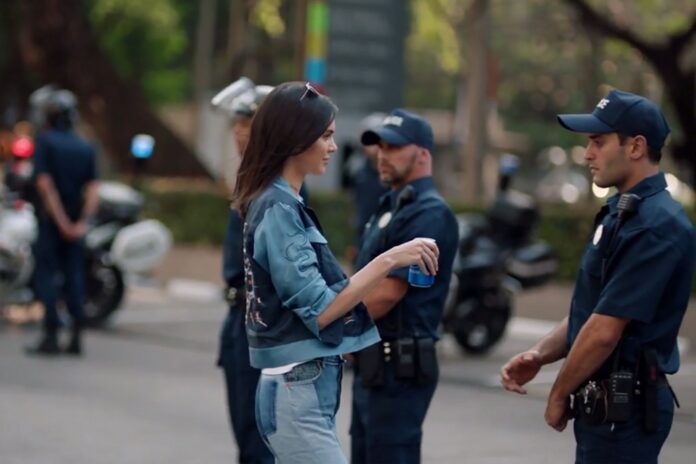
Take for example Pepsi’s marketing campaign that featured Kendall Jenner giving a police officer a cold soda. Twitter and Facebook were flooded with people calling the ad “tone deaf” and bashing it.

On the surface, the ad was a failure, but lets look deeper. When was the last time a Pepsi advertisement generated so much discussion among the public? I don’t think I could name any of Pepsi’s last ten ad campaigns, but chiseled clearly in my mind is Kendall handing a cop a beverage. The result was that Pepsi had their name said countless times online and in the resulting broadcast news coverage — paying for that much publicity would have been outrageous, but they got the public to provide it for free, by creating a truly devious marketing campaign that appeared, at worst, “tone deaf.”

There’s a strange phenomenon at play here. In online media, engagement is everything. Views and impressions are nice, but it’s better to get your audience to like or comment on your content, as this engagement generally spreads it further among the network of the person who engaged. It also promotes your content within the platform’s algorithms.

So here’s where the strategic psychology comes into play. When people see something they agree with, they tend to nod their head and move along. However, give them something to disagree with, and it’s much more likely they’ll engage. We have a natural love of the feeling of superiority we get in correcting something that we know is incorrect — even if its irrelevant to our lives. So, by saying a clearly false statement, a creator can bait their audience into responding, which amplifies the reach of the content. With it’s now amplified reach, there’s more audience who feel inclined to point out the false information, and so a simple wrong statement has the ability to propel itself to viral infamy.

I Jake Paul actually got arrested…

In a world where no press is bad press, how far does this manipulation extend? Did Pewdipie bribe the Wall Street Journal to attack him in print? Did Jake Paul conspire with his neighbors to call the police and get people talking? The press has been manipulated into being a marketing tool again and again. Now, in the digital era, where we each have taken on the role of representing our own voice in the global conversation, how much are we as individuals being fooled into being corporate shills by getting us to talk about offensive acts that were crafted explicitly to draw our engagement?

Or maybe that’s just what they want you to think.

Get YouTuber.

link slot

toto

situs gacor

toto togel

link gacor

link slot

link gacor

link gacor

situs gacor

situs togel

slot gacor

situs toto

slot gacor

situs gacor

situs slot

situs toto

situs gacor

situs togel

situs gacor

situs gacor

situs gacor

situs slot

link slot

link gacor

kotabet

Why the Adpocalypse May Bring Us Better Content in the Long Run

Ad revenue really is gone, but I hate ads anyway.

I hate advertisements. Which sucks, because a lot of really awesome creative people are supported by ad revenue. There are lots of reason I hate ads — the insidious way they manipulate social norms, the way they interweave identity and consumerism, and especially how the promise of ad revenue often dictates, sometimes at a subconscious level, what topics get covered and when. This last pet-peeve has been greatly amplified on YouTube in the wake of the adpocalypse.

The adpocalypse is real and its effects are lingering. Even though advertisers in general have returned to the platform, new tighter controls on monetization mean that many YouTube creators, and especially those posting controversial, “non-advertiser friendly” content, are still making significantly less ad revenue than they were this time last year, even as YouTube continues its efforts to appease disgruntled creators.

But as mad as people are about this shift in the way advertising is served on YouTube, there is actually a bright, shining silver lining to the whole debacle: This is a wake up call to creators saying that ad revenue should not be your primary source of revenue, even in the best of times. With the adpocalypse, the allure of ad revenue might increase its grip until only the most family-friendly content creators remain on the platform, or this shift in the ever-changing landscape of internet advertising could prompt creators to become more true to themselves than ever to the benefit of creator and fan alike — even if the transition is a rough one.

PewDiePie, at the epicenter of the adpocalypse, is taking advantage of this shift even as he rails against the systems that made it possible. Recently, he’s posted a series of heartfelt videos directed at his core fans. In one, he says, “I’m just really tired of being in try hard mode.” He admits to still wanting new subs and views, but then immediately points to direct interactions with fans as being the thing that keeps him uploading.

https://medium.com/media/04cc63212d91f276e7547725f3f55e7c/href

The fallout from the infamous Wall Street Journal story — the end of his relationship with Disney, the cancellation of his YouTube Red series, the adpocalypse itself — has relieved PewDiePie of his responsibility to endlessly chase views and ad dollars. You can see by the comments on this video that his fans are supportive of his new direction.

There are two ways to approach survival in a post-adpocalyptic world. The first option is to submit to the rules and upload only content that can be directly monetized. For many creators, this means censoring their voices and watering down their opinions to fit into the brand-safe box outlined by YouTube’s newly revised guidelines.

The second option subverts YouTube’s power of demonetization by going directly to sympathetic brands and fans for support. Super Chat, Patreon, TeeSpring and others — all of these offer alternative revenue sources that are not dependent on the broken system of internet advertising. Likewise, individualized sponsorship deals allow advertisers to reach audiences in a more direct and, some would argue, more authentic way. None of these profit making strategies depend on producing videos deemed OK for advertisers.

Community has always been at the center of YouTube. Any successful creator knows the value of their fans. To censor your voice amounts to nothing short of a betrayal to your subscribers. Instead, creators should aim to become bolder in their uploads and more incisive in their commentary. Relieved of the need to rack up as many views as possible to collect more ad revenue, creators should seize this opportunity to create better content that speaks to your specific audience.

YouTube is poised to become more authentic than ever. Direct contributions mean stronger community, more dedicated fans and more predictable revenue streams that aren’t solely dependent on view count. Some have and will continue to modify content in order to meet the new, stricter standards, but this is a mistake. Rather than taking this as an opportunity to strengthen their community of fans, these creators are sacrificing authenticity for the easier dollar.

In the wake of the adpocalypse, building a loyal base in your niche — one willing to shell out cash on donations, Patreon perks and channel swag — will become more important than chasing trends and resorting to clickbait headlines for views.

Get YouTuber.

link slot

toto

situs gacor

toto togel

link gacor

link slot

link gacor

link gacor

situs gacor

situs togel

slot gacor

situs toto

slot gacor

situs gacor

situs slot

situs toto

situs gacor

situs togel

situs gacor

situs gacor

situs gacor

situs slot

link slot

link gacor

kotabet

YouTube as a hobby

We talk a lot about YouTube as potential path to self-employment and independence, and for good reason. With little more than a smartphone and an internet connection, anyone can make a living and even become extravagantly wealthy. But we should also acknowledge that for most, making a living income on YouTube is a distant goal and for countless others, it’s not even a priority. This is good and healthy, and it’s a part of the YouTube community that isn’t talked about enough.

When a hobby becomes a job, enjoyment often fades. A professional chef often has no interest in cooking dinner after work. An avid backpacker turned a park ranger may not want to take their vacations in the forest.

If you love making videos and become a professional YouTube creator, do you see yourself making videos for fun after working on videos for more than forty hours during the week? Probably not. If you had any desire to make a video outside the scope of your channel, for example, shooting a horror movie while producing a daily vlog, you may never find the motivation to actually make it as long as you’re running your channel.

Even when we do something we enjoy for a living, the fact that our livelihood relies on doing it compels us to continue, whether we want to or not. Years ago I played a lot of World of Warcraft, investing dozens of hours a week. I loved it. But even then, there were times when I didn’t feel like playing. Though I might spend eight hours playing on a Saturday, on the following Tuesday playing even a single hour would be no more enjoyable than flipping burgers. I can’t imagine being compelled to play for eight hours every day. I might as well dig ditches.

The beauty of a hobby is that you do it at your leisure. Hobbies are therapeutic and stress relieving. Generally speaking, a job doesn’t have these qualities. Certainly a job can be fulfilling and enjoyable, but even then, the job will have a different meaning and purpose than a hobby.

If you’re personally fulfilled by making videos for YouTube and are uncertain about whether or not to make it a career, I encourage you to think long and hard about whether or not you’re ready to give up your hobby. Because as soon as you rely on YouTube for your livelihood, for better or for worse, it will play an entirely different role in your life.

Get YouTuber.

situs slot

toto togel

link gacor

situs togel

link slot

slot resmi

slot gacor

link slot

situs slot

toto togel

link gacor

toto togel

slot gacor

link gacor

slot gacor

toto togel

link gacor

toto togel

situs slot

link gacor

situs slot

situs slot

link slot

situs gacor

kotabet

How the Best Educational Channels Trick You into Learning

Learning new things can be one of the greatest joys life has to offer. Our world is endlessly fascinating. Fields of science, philosophy, history, psychology and more all provide limitless opportunities to expand one’s understanding of the universe. And with the incredible resource that is the internet, hungry learners can start researching anything that piques their interest — until they get bored.

Diving head first into a complicated topic can be daunting and even frustratingly complex. Some of us need a little push to point us in the right direction. Thankfully, YouTube has a wealth of amazing channels that not only educate but entertain audiences. They fan the flames in the minds of those eager to learn in a way that’s more easily approachable than dense research papers on Google Scholar. But how?

Balancing education and entertainment can be a challenge. Leaning more entertaining could unintentionally undermine the educational aspect. Conversely, leaning more on the academic side might scare away those who are eager to learn but get overwhelmed by a barrage of information. The most successful channels on YouTube use a few tactics to help achieve a perfect harmony for their audience.

Personality

The most obvious solution is to have an entertaining host who might throw some jokes into the video. Pair that with fast-paced editing and exciting visuals, and you can make even the most restless person sit through a dense philosophy or history video. This is the route many edutainment channels like Game Theory and Wisecrack take. They infuse educational content with humor to keep the audience laughing while learning.

The problem with comedy is that everyone’s sense of humor is different. One person could watch a Game Theory video and think it’s funny, but another person could find MatPat’s humor to be childish and annoying. In this way, comedy could work against the video, effectively degrading its quality. Similarly, channels that employ a gimmick like Wisecrack’s Earthling Cinema or Thug Notes run the risk of having people tune in only for the jokes and the characters without paying too much attention to the information.

Of course, these channels are successful because they know the audience they are going after and tailor their videos for them specifically. Understanding your audience is key. Are they scholars who already have a basic understanding of science, philosophy or history, or are they new learners who are fresh to the subject and may require additional levels of humor and entertainment?

Context

But flash and style only goes so far without substance. Even with fancy editing and personable hosts, a video could still be boring if it amounts to listing off facts and spouting unfamiliar terminology. Nearly every successful educational channel on YouTube uses framing devices to make the information easier to digest. Whether it’s Crash Course using Batman to discuss philosophical utilitarianism, Wisecrack using South Park to teach their audience about economics, or Because Science breaking down the physics of Mario’s iconic jumping skills, these shows take something their audience is likely already familiar with and inject it with a dose of education. This not only allows them to reach more people thanks to the popularity of movies and video games, but also to show them why the information matters.

Not all videos need to be based on a pop culture references, though. Science channels like Smarter Everyday and Sci-Show educate their audience while framing the science around a simple question or idea. There’s a lot of science around what happens to brains when they are deprived of oxygen, but Destin from Smarter Everyday puts his own spin on the topic by framing the idea around something a lot us of who travel can relate to: Why airlines insist you put your own oxygen mask on before assisting someone else.

Or look at a recent Sci-Show video that proposed the idea “Why Peeing in the Pool Could Be Dangerous.” Again, the video could have simply addressed how urea can react with chlorine to create corrosive trichloramine, but I sense many of you are already bored.

A Reason to Care

Again, these channels are pitching not just what the information is, but why it’s valuable to you. You know that classic dialogue in school where a kid asks their teacher, “But when will I ever need to know this?” These channels answer that question! Framing devices can inspire tangential learning — a process where people educate themselves if they are exposed to the topic in a context they already enjoy. The most successful edutainment channels don’t just answer questions and end it there. They leave the audience curious enough to research more questions and ideas on their own terms — to go beyond the video itself and explore the amazing world around us!

Get YouTuber.

link slot

toto

situs gacor

toto togel

link gacor

link slot

link gacor

link gacor

situs gacor

situs togel

slot gacor

situs toto

slot gacor

situs gacor

situs slot

situs toto

situs gacor

situs togel

situs gacor

situs gacor

situs gacor

situs slot

link slot

link gacor

kotabet

OOTD Sans Cliche: How to Make Original Styling Videos

Were you one of those kids who picked out the next day’s clothing the night before? Or did you assemble yourself 10 minutes before the bus left? Either way, as a YouTube creator, you have utter control over your online presentation of daily outfits. Read on for some advice relating to Outfit Of The Day videos, or OOTDvice.

Getting dressed before class or work in the morning can be enough of a challenge without considering lighting, title cards and key background music. Of course, you’re hopefully not filming these things in the crunch time before any actual obligations!

As with any video, it’s best to have a general outline of the piece’s purpose. Even if it’s just casual pajamas, figuring out a specific idea for the outfit to work around will help you stay focused. Whether it’s poolside coverups or preppy business, finding this idea will also help you market the video to different audiences. Such planning will also inform the title, thumbnail, and description, because “Garden Gal For Rainy Day” sounds less vague than “#OOTD,” leading to more clicks. With these themes, you can explain why you chose each piece or let the ‘fit speak for itself.

On that note, decide upon a relevant environment for the background of the video. A relatively clear background works best whether you’re indoors or out. This ensures that the clothing is the focus of the shot. Lighting and palettes overall are key in OOTD videos, since it doesn’t matter how neat the outfit is if the rest of the frame clashes. A little bit of color theory goes a long way in these cases, like matching warm-toned clothing with golden lighting.

For more public shoots, it’s also great if the background is relatively clear of other people! Nothing’s more mortifying than getting caught in the selfie by strangers. Shot lists are also really helpful in these videos: decide when to zoom in for details of the clothing or pull out for a focus on the body.

Practice before filming to find the best angles for the outfit, too, because the Canon might have different perspectives than your bedroom mirror. Make sure your filming partner understands your angles, too! If you’re filming alone, a tripod and viewfinder are perfectly handy.

With all this noted, let’s check out some high quality examples of styling videos from a couple of successful creators.

Jenn Im’s Back to College Video

Jenn Im’s Back to College video

Having recently launched her own fashion line, it’s no surprise that Jenn Im has mastered the style video. In this example, she prepares a week’s worth of outfits for the first few days back at college; these “back to school” videos are always fascinating when created by people far beyond their educational days, but that’s beside the point. Strutting around campus, she cleverly uses the scenic backdrop of UCLA for the video (go Bruins).

Example of cute, personalized title cards

It’s also demarcated for college students by the more mature stylings and by her mentioning the logical restrictions of high school dress codes. In terms of production, Im has her typically slick editing with the relevant clothing item and brand displayed for their establishing shots, followed by variations between detail and body shots as her voiceover explains the rationale behind the ensemble. She interacts with the environment, and always has great angles whether she’s static or moving.

Christine’s Uniform series

In this series, Christine Mai Nguyen finds the balance between being fashionable and conscious by creating outfits of fair trade or “ethical” clothing.

Christine’s Uniform series

Existing largely in response to the trends of hauls and fast fashion in lifestyle vlogging, she uses pieces over and over again — very easy to see from a quick scroll through the playlist of 80 videos. This is perhaps more Outfit of the Month rather than Day, since the goal of the series is to find comfortable, durable clothing that looks neat in many situations without becoming tiresome. She uses a neutral background in a designated filming space in her apartment, complementing the generally neutral tones of her outfits. Since the pieces are usually basic and thus easy to wear, it’s also simple for viewers to replicate their own conscious outfits. These videos have a more informal feel, since she talks directly to the camera rather than use voiceover, but that works dandy given the message of the series. For each piece, she explains why it works with the rest of the outfit and why it works in longevity.

Because these outfits should work anywhere, she chooses a neutral background to display the clothes.

What are you wearing?

These videos are all clear examples of content where the creator’s personality and vision shines through in their clothing and execution. As with any video, the most important thing is that you have fun making it! If your character is clear and present in the content, then your viewers will have more fun watching.

Get YouTuber.

situs slot

toto togel

link gacor

situs togel

link slot

slot resmi

slot gacor

link slot

situs slot

toto togel

link gacor

toto togel

slot gacor

link gacor

slot gacor

toto togel

link gacor

toto togel

situs slot

link gacor

situs slot

situs slot

link slot

situs gacor

kotabet

6 Best SEO Practices to Keep Your Video Reviews at the Top of the Search Results

Think of your last YouTube search. Mine was about thirty seconds ago for “LoFi HipHop for Studying.” This is what I listen to when I write. I choose the third option that appeared in the search result. Now think again to your last search. Was it “Best Underwater Point and Shoot Cameras,” or maybe the, “How to Draw Anime” Which search result did you choose? Was it on the first page of search results? Second? Have you ever been to the forth page when searching on YouTube?

YouTube is the second most popular social media platform, based on market share. Not only does that mean that there are many people searching for video on their site but also a whole lot of creators posting content. How do you stand out from the 300 or more hours of video that is uploaded to YouTube every minute!

“Search engine optimization (SEO) is the process of affecting the visibility of a website or a web page in a web search engine’s unpaid results,” states Wikipedia. Search engine optimization affects only “organic” search results, not paid or “sponsored” results such as Google AdWords.

A study done by Cisco last year predicted that by 2020, video will account for over 80 percent of all consumer internet traffic. A study by Optify showed that 60 percent of clicks go to the top three search results. SEO is increasingly more and more important. Let’s get right into this!

1. Keep Content Fresh

The number one rule I learned about growing a YouTube channel is to post new videos regularly and often. Personally, I try for one new video a week and I know content creators who post two or even three weekly. According to Sherry Bonelli, the Local Search Evangelist at BrightLocal, “…that fresh, newly uploaded content (as well as the latest actions taken by the users) is taken into consideration by YouTube when ranking videos.”

2. Aim for Long Total Watch Time

This one is pretty simple. The longer your video is watched, the higher it gets ranked. This should keep us editors and shooters on our toes. Edit, re-edit then edit one more time. Kill your babies. Keep it tight to keep the eyeballs. Audience Retention, or how long a viewer watches your video, is important but the total number of minutes watched per video can be more important. YouTube wants to promote videos that keep people on YouTube so if you make a 10-minute video and keep the audience, it will rank higher than a two-minute video.

3. Use Keywords in Your Title and Voice Over

Placing your keyword(s) directly in your title should help your SEO. I make travel videos so I make sure the country and/or city I am showing is prominent in the title, but for product reviews, you’ll want to include the brand and model are front and center. According to Brian Dean of Backlinko, YouTube can now even “listen” to your audio and uses your words to tag your video. In other words, if your video is about income tax forms, being sneaky and typing in the keyword “bikini” may not get you more traffic if you don’t talk about bikinis.

4. Make an Excellent Thumbnail

A good thumbnail will get you more clicks, which in turn helps you rank higher in the search results. I usually try to shoot the highest quality RAW still from my DSLR in the field to use as a thumbnail. I pull a lower quality screen grab from the video only when I’ve failed to shoot the perfect still in the field. Excellent, high quality thumbnails are important!

5. Choose the Right Tags and Keywords

I research similar videos to the ones I’m about to post to see which Video Tags they’ve used. I’m surprise so many people don’t bother with tags. When I find a popular video similar to the piece I’m about to post, I decide if I should use some of the tags they have used, which may have helped them gain their popularity. Where does one find the Video Tags? There are two tools that I know about, and I suggest you use them both. TubeBuddy and vidIQ are both browser extensions/browser plug-ins that add a number of tools directly into YouTube’s website. Install them both, sign in and let these plug-ins help you build your fan base. They each have a number of free tools and analytics and some of the most helpful, I find, are the tag tools. There are many videos on YouTube that show you how to use these two plug-ins, so I won’t take up space here explaining them, but I highly recommend their use.

6. Take Advantage of Other Metadata

We’ve gone over some of the metadata YouTube uses to help rank your video such as tags and titles, but there are more. Descriptions, annotations and closed captions are also used by YouTube to help rank your content. Take the time to include this data.

I only have 800 words to tell you about SEO on YouTube, but guess what? There are many who can give you further help for free. Can you guess where you can find these people? You got it: YouTube. Derral Eves, Tim Schmoyer of Video Creators and Brian Dean of Backlinko are three industry experts whom I have learned a bunch from. Or you can just do a YouTube search for SEO.

Get YouTuber.

link slot

toto

situs gacor

toto togel

link gacor

link slot

link gacor

link gacor

situs gacor

situs togel

slot gacor

situs toto

slot gacor

situs gacor

situs slot

situs toto

situs gacor

situs togel

situs gacor

situs gacor

situs gacor

situs slot

link slot

link gacor

kotabet

Advertisement
Advertisement
communal
communal