Home Blog Page 154

Chaotic Good: An Interview with Hallease

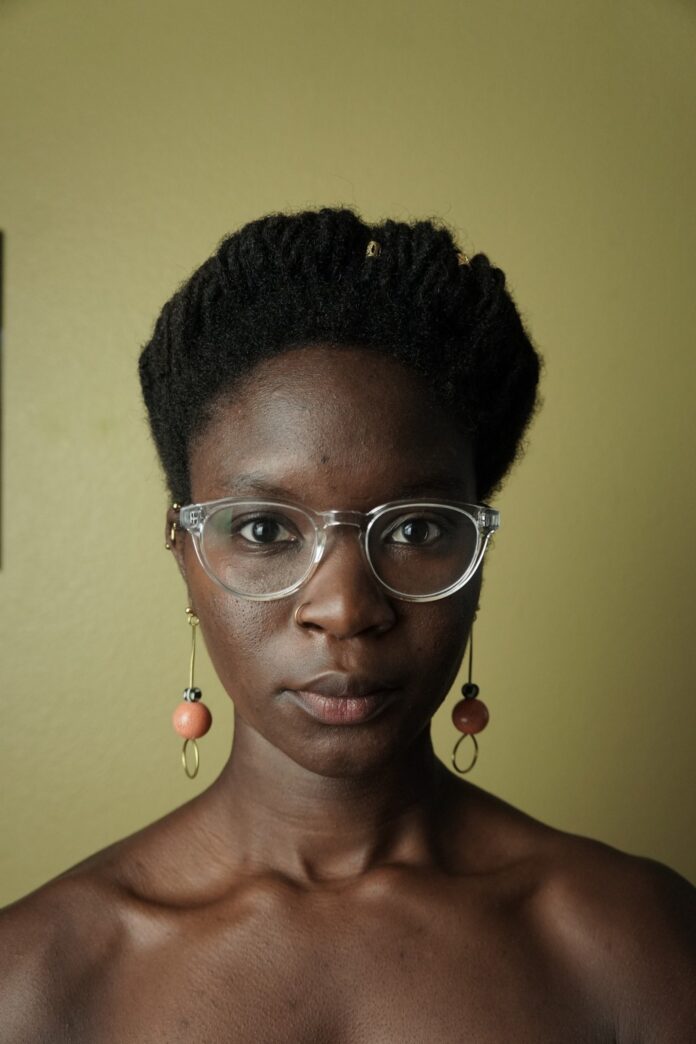
A videographer based in Texas, Hallease has been active on YouTube since 2009. Read on to learn about her production process and motivation for making videos as a new member of the Creators for Change program!

Hallease
Subscribers: 11,946
Uploads: 254
Video Views: 1,027,266
Channel Type: People

YOUTUBER: What motivated you to start your channel?

HALLEASE: Originally, I got on YouTube as a consumer, as a way of learning how to take care of natural hair as an African-American woman. What motivated me to start uploading was finding a way to have a creative outlet outside of my full-time work: I’m a freelance video producer and editor. YouTube let me experiment with different techniques, which I could then hone down, refine and use in the corporate stuff.

YOUTUBER: How do you make decisions on the best way to curate your own content?

HALLEASE: Since the channel was initially me trying to flex a creative muscle, the only person I knew well enough to talk about was myself. It’s an amalgamation of anything that I’m currently finding fascinating. So there’s hair content because, as a Black woman, taking care of my hair is a big part of my life. I’m a video producer, so I’m interested in tech and gear. But then living in America during these times and learning how to express my identity in these different ways, that’s also important; that motivates my short film, narrative-type vlogs. There’s not much rhyme or reason as far as scheduling goes; it’s just when inspiration strikes and I start writing a script.
The audience does help inform what ends up on the channel. A lot of people follow me because I have dreadlocks! That’s its own community … they’ll comment that I haven’t made a dreadlock video in a while. And that’s honestly what keeps me on YouTube, the community itself.

YOUTUBER: How has your video making process changed over time?

HALLEASE: It’s mostly changed in terms of upgrading gear. Considering I went to film school and all that jazz, I kept it very low budget for the longest time. As my salary grew, so did the production value! The turning point to invest in myself was to upgrade my main camera to the Sony a6500, which is what I use now. I don’t upgrade gear for the sake of it, only when it limits my ability to tell the story that way I want to tell it.

YOUTUBER: How has your filmmaking style evolved?

HALLEASE: I’ve leaned more towards the abstract as far as visuals go, which has stemmed from thinking how I could make the prettiest picture possible by myself. I started watching a lot of documentaries as well as larger YouTubers who were cinematographers by trade, like Peter McKinnon. I’d watch those videos and then go into filming with my script, and I’d ask myself how they would shoot it. In doing that, you end up finding your own style. So I pull from many directors, Wes Anderson and people like that: saturated, centered, constructing this frame to make a nice photo.

The conversations I have with friends from various backgrounds inspire me.

YOUTUBER: What has influenced the development of your more recent film journal style?

HALLEASE: A lot of it has come out of the interesting political spectrum that we’re in right now. The conversations that I have with friends from varying backgrounds inspire me. We will talk and I’ll think oh, there’s a video in in this conversation somewhere. I have a journaling app on my phone called Day 1 where I start typing out ideas. That turns into the 3–5 minute essay, and then I figure out the visuals.

YOUTUBER: Where did the phrase “endeavoring to persevere” come from?

HALLEASE: It’s not technically mine, it’s my mother’s! If she’s on the phone with someone and they ask “Hey Linda, how are you doing?”, she responds “Endeavoring to persevere, as always”! That’s something I’ve heard her say since I was a child, and it’s true! That’s life!

YOUTUBER: What keeps you motivated to continue to grow and develop your channel?

HALLEASE: I’m continuing to do freelance, but I’d love to become a documentary filmmaker. I just really enjoy telling stories and adding an element of education to everything that I do when I can, even if it’s as simple as a headwrap tutorial. I’ll find people who have never thought about why people wrap their hair, or cultural significance or the perspective of comfort. I really like helping to inform people when I can. I really do enjoy engaging with people online. The people that watch my channel are awesome! They’re constantly making me rethink how I view things, or adding insight in ways I would never think of. It’s like having a whole bunch of friends that you’ve never met.

YOUTUBER: What challenges have you had to overcome to continue creating?

HALLEASE: I don’t feel like anything I’ve faced in regard to shooting and uploading a video would be considered a challenge. I would call them inconveniences at best! I’m not like Franchesca Ramsey, an activist who has to be really vulnerable in the content she creates. It’s very obvious to me how emotionally taxing that can be on somebody. Whenever I feel like I have nothing to say about a social issue, then you’re gonna get a silly video! Youtube is my therapy. I always feel good after I upload a video.

YOUTUBER: What do you hope to achieve by participating in the YouTubers for Change program?

HALLEASE: By the end of showcasing all the differences in these groups of people that I talk to, you discover that we all have a similar idea at the core. It’s jumping around and celebrating the differences and acknowledging how they make us all the same. I want to create a vignette of people across different cultures that aren’t shown in the best light, to diminish the othering that happens now.

YOUTUBER: How does that fit into your plan to “Be a Chaotic Good”?

HALLEASE: One thing I try to do is — I went to this place and here’s what I learned, and I tell the audience about it. So this will be the same thing, centered around other cultures. As I’m learning, hopefully the audience will learn too.
Within the greater theme of chaotic good, the people I’m collaborating with are in various stages of whatever they’re creating. I want to meet people where they’re at. Like Jouelzy, who will be on one of the episodes with me. Her videos are drastically different; they’re about what she’s saying. The visuals aren’t as crucial — it’s about the meat of her talking points. Translating that into a video with her, what does that look like? I don’t know, and I’ll be figuring it out with her!

It’s jumping around and celebrating the differences and acknowledging how they make us all the same.

YOUTUBER: Where do you hope to take your channel in the future?

HALLEASE: I would really like to put out these 8–12 min documentaries on a schedule, to the point where it becomes a running show. I have other documentary series that I’ve been trying to secure funding for, and if that happens, then I hope those would be on the channel as well. Essentially, I use YouTube to establish myself as a documentary filmmaker and storyteller, while staying true to what interests me. Every now and then, you’re going to get a silly video, too!

YOUTUBER: What do you hope people take away from watching your videos?

HALLEASE: I always want to be accessible to people and seem calm. That’s why I’ll probably always stay on YouTube, so I’ll always feel reachable. It’s a platform that feels open to most of the population, no matter where you’re at economically, socially. That’s one of the biggest things on my channel, and in life, that I want to be a relaxing person to be around.
I’ll listen to you, no matter the mood I’m in; you have an ally in me. Even if we don’t agree, that’s what I always strive for.

Get YouTuber.

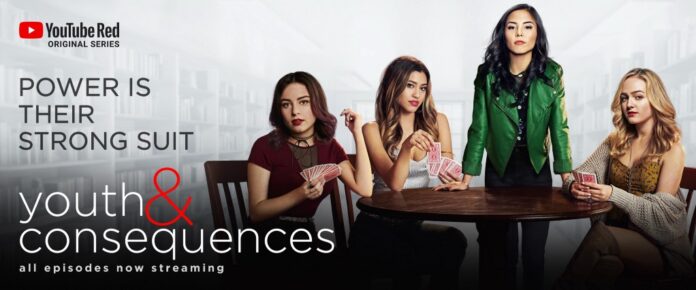
Stars of Anna Akana’s Youth & Consequences, talk how YouTube Red stacks up to Traditional Media

High school can be hard, and social media makes it even harder. Anna Akana chose this as the setting for her new YouTube Red Series : Youth and Consequences. We got the chance to talk with the co stars, Kara Royster (The Fosters, Pretty Little Liars, KC Undercover) and Sean Grandillo ( Rise,The Real O’Neals, Scream: The TV Series) to get a behind the scenes look into their experience working on a YouTube Red series.

https://medium.com/media/8f713f03ea40c83c23924465beb57413/href

How did you first get involved in Youth & Consequences?

Kara Royster: I went through the audition process. Heading in there, I was just really excited about it. I really liked this character; I thought she was kinda something different. I’ve played the ‘mean girl’ before, but there was just something new and exciting about her. When I got through the audition process, I got to come back in and work with Jason our writer, and I got to work with Anna. And we just had a blast in the room. I definitely remember just laughing, and we like added in other jokes and stuff. When I walked out I was [thinking] ‘aww, man, I’ll be really sad if I don’t get this.’ Like I really wanted to work with them and everyone seemed really cool. And so that’s how the process went, and it all worked out.

Sean Grandillo: It was interestingly very much on par with the auditions that I’ve done for various other networks and television projects, which is something that really stood out to me. It felt very professional and, like, slick and cool from the beginning. Really, what drew me to the project initially was the script. It’s a really cool take on a high school story that’s written from a very grounded and cool place; I was excited to jump on.

The series has been described as a “woke Mean Girls.” Would you agree with that description?

KR: [laughs] I love it! I have not heard that yet, but I’m definitely going to use that. Beyond that, it definitely does expand those types of stereotypes and break those stereotypes. This show, like Sean said, is in a grounded place, and there are so many different layers to these girls. To see them beyond being the ‘mean girl,’ they’re really a group of girls willing to do anything for each other and for, ultimately, what is right.

SG: I certainly think that’s very fitting. It’s another sort of female driven story in that way, which I thing is always timely and really effective. I think we have a really cool and diverse group of ladies, and I think it is definitely that.

What can you tell us about the characters you portray?

KR : I play Jayne with a ‘y’ — for some reason the ‘y’ in her name gives some sort of overt confidence. The word being used thrown around set was always ‘extra’ — just with the way she walks, talks and the clothes she wears.

It was really fun to play her. She really is that friend who is willing to say anything and do anything for her friends.

SG: Collin is, I would describe him as a cool guy but I don’t think everybody sees him that way. He’s very smart, he’s logical, and he’s fiercely loyal. But he has some challenges socially in various ways, which is one of things that really drew me to him [as a character], those two sides to him and I was really excited about looking at that.

How much were you like your characters when you were in high school?

SG: I’m different than him and I was certainly different than him in high school. I was a basketball kid until everyone grew and I stayed relatively short. [laughs]

KR : Ummm [laughs], there were definitely some scenes where I connected with Jayne. I don’t know if I’m AS extra as she is but hope to someday reach that level.

We definitely vibed, me and Jayne. And it was funny, as we were going through the process and Jason, our writer, was learning more and more about me, at table reads we would all burst out in laughter when I would say a line because we would know Jason just kinda poked fun at something I said during breakfast and applied it to [the script]. So that was cool to be part of the process [in that way].

What was it like working with Anna Akana?

KR : I think Sean and me can both agree it was pretty terrible. [laughs]

SG : [laughs]

KR: Just kidding, completely kidding. [laughs] It was really amazing. She is just the best leader we could have possibly had. [With her] being executive producer and also our lead, she was just so hands on and dedicated to what we were doing. And just a great person to work with and get to know.

SG: I totally agree with Kara. I mean Anna was one of the few YouTubers I was sort of familiar with prior to any involvement with this project, or any auditions or anything. And so to see that they were fronting a show with her instantly made sense to me. She’s so dynamic just as a person and it turns out as an actor as well, so I was really excited about that. Then meeting her she is, she’s so impressive. She’s so prolific. She’s always working on something and she manages to also be like really down-to-earth human. I mean she was working as producer on this and starring in it, and also being really friendly and supportive to all of us. She was really the glue for all of us, both at work and socially. It was really awesome.

How is working on a YouTube Red series different from working in traditional film or television?

SG: One thing I was really excited about is just how new it is. I think there’s always an opportunity when you’re venturing into a new platform or really a new division at all in media when people tend to be ready for it to be explored. I also felt like it was very hands on in a really cool way. We had reps from YouTube there through some pre-production and then had multiple episode stays on set. They were so engaged and kind and friendly. It felt cool that we were going to be one of their early shows and it seems like they are really excited about their whole [slate] of programming coming up.

KR: I didn’t see any difference, in a good way. The production was so on par with everything and so professional. We’re working with Mark Gordon, who has produced so many amazing things on TV. It was really just a great professional set. I think that all the actors I got to work with were phenomenal and it was just a great production to be a part of.

Class photo of the cast and crew who made #YouthandConsequences possible.

Are there any particular benefits or drawbacks to producing a series for YouTube Red?

KR : Ummm, I don’t see any drawbacks. I think one of the biggest positives is that we are going to be reaching people all over. YouTube Red stretches to New Zealand, and Australia, and Korea, and Mexico. And so just to be able to reach such a wide audience I think is going to be so cool.

SG: Yeah actually it was really exciting to me. This felt no different than any other set that I’ve been on for film work or television. It was state of the art, it was a great crew, and again the cast was so epic-ly talented, and everyone’s resume can speak for themselves. It was very much like doing a television show, which is really cool. I think YouTube is really going for it and it’s exciting. I was really excited by the whole process.

What sort of person is going to love this show?

I think it really is open to so many people. It’s not just for girls, it’s not just for boys, it’s for everyone. I think that there are so many different diverse characters that people can really latch onto and be like, ‘oh my gosh, that’s me!’ or ‘that totally reminds me of my brother.’ — Kara Royster

KR : I think the character work is so great and also the story is just so human. You don’t have to be in high school to remember those times, or even just the place that you’re in right now [to relate to ] learning, and new relationships that are formed, the frienemies that are formed. I think that it can really speak to everyone at different ages and times in their lives.

Fam bam 5ever.@PiperCurda, @KaraRoyster, @SeanGrandillo, @KatieSarife, and @Sophie1Reynolds via @YandCShow/media

SG: I think it will really reach everyone who lives in this internet and social media age, which is all of us; despite our choices to try not to. It’s interesting to see some sort of like timeless struggles of growing up and adolescence, through the lens of the social media landscape that we have right now and how that changes things but ultimately how everything is still very much the same. I think anyone who has had experiences, good or bad, with social media and the internet will certainly find something that they can relate to.

Are you planning to work on any other YouTube Red projects in the future?

KR : I love the platform. I actually just binge watched the whole Step Up series this past weekend [laughs]. I was a huge fan of the platform even before I was a part of this project, but I’m feeling really up for a season two for [Youth & Consequences] .

SG: Exactly what Kara said, it was a wonderful experience thoroughly and genuinely. And yeah, I hope we get to do more of Youth & Consequences because there’s certainly more to tell, as people will see.

What should viewers who have not tuned in yet, expect from the series.

KR: I think they can expect to see hard hitting and relevant topics in a different, innovative, smart way. I think we tackled some huge issues that I wasn’t even paying attention to at the start. I think that those issues need to be talked in this way. Jason has an amazing voice, and the cast, we’re also incredibly close, and we’re like loving each other and I think that shows up on screen, and I think we were fearless in stepping into those issues.

Also, we have a lot of really great guest stars. Sean’s mom is Marcia Cross in the show, Cary Elwes is on there, which is amazing because I was obsessed with Princess Bride so the fact that he was on set was incredible. Just a lot of great stuff going on.

SG: I think people should expect to see a show that they are going to love. It’s very cliffhanger-y; it really wants you to keep watching. I remember even when we would get the script, I would always want the next one as soon as we finished it because Jason, our writer, did just a good job of pacing and also playing with real stuff that goes on in high school now a days. I was really drawn to it, again, just by the fact that he wasn’t afraid to talks about real things. There’s a lot of substance here, it’s great performances, and it’s also funny. I think people are really going to enjoy it.

All episodes of #YouthandConsequences starring Anna Akana are NOW STREAMING on YouTube Red.

Props to YouTube for a really awesome experience. And thank you to our writer Jason and our show-runner Blair. I hope everyone really enjoyed it as much as we enjoyed making it. It was truly a ton of fun. -Sean Grandillo

Get YouTuber.

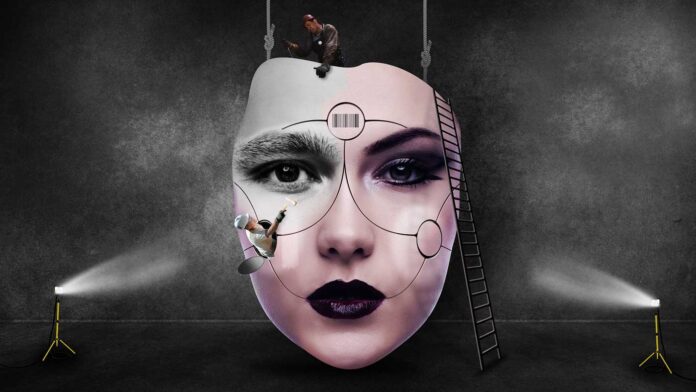
Conspiracy Theory: Bots + Face-Swapping = A Whole New Nightmare.

The good news is that you could be the star of a huge new YouTube channel. The bad news is that you might not want to be, and even worse, you might not have much choice in the matter.

As online platforms become a larger and larger part of our social lives, they develop more influence in the real world. One of the ways people try to exploit the digital world is through creating fake online accounts known as ‘bots’.

Bots are being created with identities stolen from social media. Names, photos, even public details are copied from real people and used to open fake accounts that can spread spam, be used to amplify online posts and even spread political disinformation. But now, bots have a new face — yours.

Digital face swapping technology is advancing quickly, meaning the ability to cleanly replace faces in video is growing. This tech caused a stir with “deep fakes” in the porn industry and is now creating terrifying new possibilities for online bots. We have entered a world in which your likeness could be stolen and used to create a YouTube channel full of videos of you that you want no part in.

But now, Bots have a new face — yours.

Imagine this nightmarish scenario: You’re surfing the web and you stumble onto a channel where YOU have been used to replace Regina George in a face-swapped version of Mean Girls. That’s right, without any warning or consent, you could become the meanest girl of all — and then nobody would like you.

Or imagine you’re working on a historical documentary project, and as you look through old clips, you find a video that shows that you were part of the moon landing!

Anything is possible in this new digital world. Bots could create channels based on your real name and information, where you could be swapped into the greatest movies of all time: You defeated “The Terminator.” You were king of the world on “The Titanic.” YOU took down Voldemort!!

Maybe you’re thinking that being the greatest hero in film history might be a good thing, that these bot-channels are doing you a favor. Guess again, friend. This is a conniving, malicious attack, meant to undermine the social fabric of our world and tear our lives apart.

Here’s why: You’re on your favorite dating app and swipe right, matching with a total hottie. You make plans, get all dressed up and meet at a fancy restaurant, ready to get to know each other in person. When your potential love interest shows up, the first thing they say to you is, of course: “I saw your YouTube channel and that clip where you defeated that Sharknado!” And just like that, your dreams are crushed. There’s no recovery once you admit the truth — that you don’t have what it takes to defeat a Sharknado. The date is over.

Bots are a major problem for social media platforms, and face-swapping tech is just adding to the problem. There’s only one possible way to ensure your safety against such cyber attacks: Study science, so when the time comes, you really can defeat a Sharknado.

Get YouTuber.

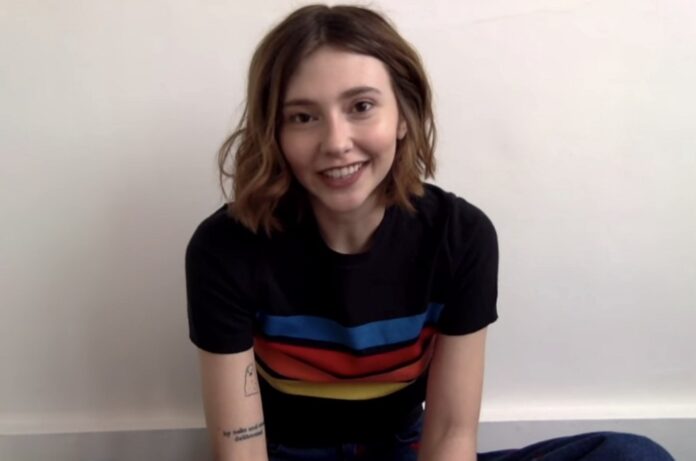
The Problem of Authenticity for the YouTube Creator

“Be yourself” has become the mantra of YouTube creators everywhere — but what does that actually mean?

In 2017, Savannah Brown’s channel went dark. This young adult had been on YouTube since the age of 13, but after spending a third of her life on the platform, Savannah stopped uploading videos.

Six months passed, and then the channel was resurrected with an upload titled “i broke up with youtube but he won’t stop calling me.” In this low-res webcam vlog, Savannah explains the numerous reasons for her hiatus, but the one that stands out most to me is the desire for her person-hood to exist as “its own thing” and not “a consumable thing.”

What are you selling?

When you put yourself on YouTube, or any social platform, you become something that platform can sell. Deeper than that however, you’re also invited to sell yourself — your brand, some would say — to sponsors as well as subscribers. It’s a blurry line for many vloggers, who often have a hard time keeping their public YouTube life separate from their private life.

At one point Savannah says of her previous videos, “I am existing for other people to perceive me as something,” a notion that she understandably finds exhausting. She’s not demonizing her fans here; she’s acknowledging the toll it takes on a person to put yourself out there, over and over again, during what are often called the formative years of your life — that transition from teen to adult. Add to that the potential to turn your personhood into a paycheck, and things get even messier.

This conflation of brand and identity is perhaps the reason “be yourself” has become such popular advice for new YouTubers. Authenticity is the ultimate goal for many vloggers, though what that actually means isn’t always clear. Marketers and viewers alike place value on authenticity, but is authenticity something you can buy and sell? How do you balance privacy with authenticity? Does holding parts of your life back make your channel less authentic? What happens to your personhood when you become the product?

These are tough questions, but every serious creator will have to answer them at some point. Whether you’re collecting revenue on your videos or not, success on YouTube often requires the presentation of a crafted persona that suits the expectations of your audience, your advertisers and your own self-image. How do you balance these sometimes opposing forces to create a video that’s truly authentic?

Always On

Authenticity and performance are seeming opposites, but they’re not mutually exclusive. Anytime you step in front of a camera, or out of your house for that matter, you’re giving a performance. You’re presenting yourself to be perceived by others, and that can be exhausting and scary and just plain weird at times.

But if appearing on camera is always a performance, what does it mean to be yourself on YouTube? To answer this questions, we must remember that we are the only ones who can define our values and identity. To be yourself is not to reveal everything, to give up your privacy or to present a consistent perspective video after video. To be yourself is to uphold your values and allow for change. Identity is a process, not a destination.

Defining Yourself

When Savannah realized she didn’t like making videos as much as writing, she took time to work on her novel. Now that she’s back to uploading, her posting schedule is sparse and irregular, but the videos she does post take a more casual tone. The choice to shoot with a webcam emphasizes the shift. She’s still performing, but now it’s a more authentic performance aligned with her own values and sense of self — not the static self that was projected onto her and that she had internalized but the still-evolving self that she continues to shape through experimentation and introspection — the authentic self.

Get YouTuber.

A Quick Look at Social Media Alternatives

Social media users today are often asked to pit privacy against entertainment. With recent congressional hearings putting the practices of the highly popular platforms like Facebook, Twitter and Snapchat in question, people are feeling it’s time to switch to a platform that caters to their privacy needs.

Though there is a variety of good reasons to avoid investing in a new social network, there are also advantages to having a presence on multiple platforms, depending on where your audience is most active. On the other hand, there are also good reasons to embrace a new social platform. One of the most popular is the desire to get away from the omnipresence of Facebook, Instagram and the like — platforms that seem to value your data more than your privacy. Fortunately, there is now a plethora of emerging alternative social media platforms that hold your privacy above making a profit. Whichever camp you fall into, it’s worth looking at some of the alternatives.

diaspora*, a non-profit decentralized social media network based on free software, could be considered a visually a sleek Facebook with many of the same features. You can create posts, share images and make comments. Hashtags help organize posts for searching and browsing. Furthermore, diaspora* claims to stay ad free and keep your personal info and what you share private with a dispersed network of pods that contrasts with larger platforms’ centralized servers.

EyeEm is geared mainly to professional artist and photographers. It has an interface similar to Instagram but is even more focused on the photos. Rather than a pure social network, another interesting point about EyeEm is that you can generate income via the app by entering “missions” or photo contests that pay out to the winners selected for each mission, and brands can also look to EyeEm creators for their content needs.

Minds is an open source social media network with encrypted messaging and an emphasis on privacy and freedom of speech. At its core, Minds resembles Facebook in its ability to share numerous forms of media to the public or within your network. If you are actively a part of this decentralized platform, you can generate income via cryptocurrency. The site still needs improvement with a low figure of users, but the future seems bright.

Wakelet is a platform where you can store all the interesting links that you find in one place and easily share to any platform with one click. You can even create themes for your “wakes” so as people visit your Wakelet profile page, they can see the collections you have created and select what they’d like to view. It’s a more organized way to share content you care about online.

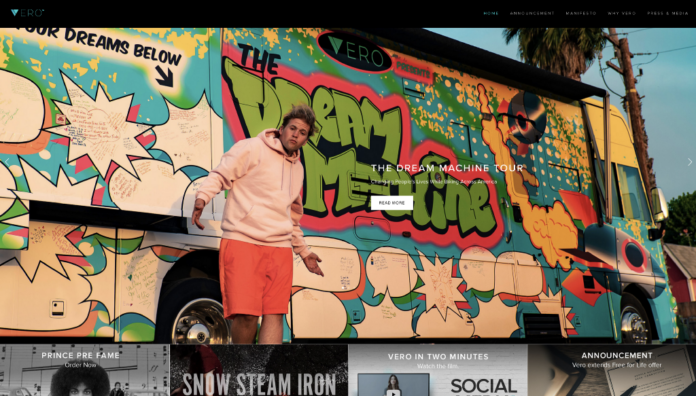
Vero claims to provide a smarter way to share content and offers more control over who can see your posts. The platform is app based and does not have a web interface, but visually, it resembles Facebook — without ads. Users can post photos, videos, links and current location, all appearing in chronological order, and Vero claims to keep user info safe. The platform will soon require a subscription to use, raising questions about when this subscription will take effect as well as skepticism of its founder. As such, Vero has made potential users cautious.

Worth Exploring

No matter what your reasoning in looking for an alternative, there are apps and platforms out there where the experience may be familiar yet privacy concerns are addressed. These platform all seek to make social media a safer and more rewarding experience.

Get YouTuber.

Merchandise: The Path to Profitability

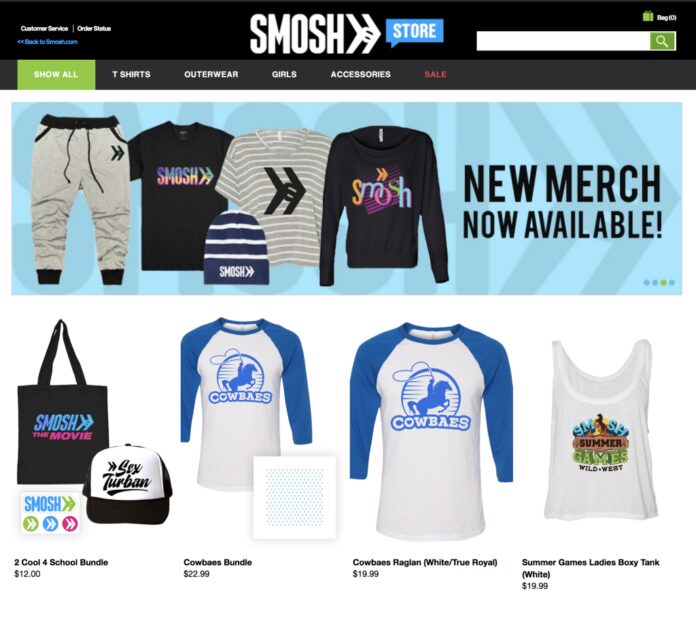
Many content creators overlook the revenue potential of making and selling merchandise based on their intellectual property. Early on, George Lucas built a substantial amount of his empire with Star Wars merchandise, a business move that was rather savvy for his time. Have you given much thought as to what merchandise can do for you?

Reasons for Making and Selling Merchandise

Merchandise is an amazing thing. All at once it can be a source of income, a push for word of mouth advertising for your show and a building block for your fan base. No other investment into your video project or channel can deliver like this. And, it’s important to think of merchandise as just that, an investment. One that you pay for with your time and effort — and often even money! Like any investment, branching out into making and selling merchandise for your show needs to be properly planned. You wouldn’t want to invest in a NASDAQ listed stock based on the letters your cat types out while walking across keyboard; likewise, when you create your merchandising plan, you should always keep in mind your primary goal for making and selling that merchandise.

Merchandising as a Revenue Stream

The making-money-on-YouTube myth has lured in many content creators only to smash their dreams of fame and fortune. Perhaps some of you are cynics or pragmatists and knew you’d never be able to get rid of your day jobs; however, many would be happy just to cover production costs of their shows. Some creators spend more time begging for money for their next web series than actually producing it. If this sounds like you, then making and selling merchandise could possibly help, if not solve, your production’s cash flow problem.

Merchandising for Advertising

I am always amazed at what people will buy with their hard earned dollars. Consider apparel that advertises a brand. I’m not talking about spending money on the latest Game Of Thrones, Star Wars, or Avengers t-shirts; these are guilty pleasures for any die hard fan. What I’m actually referring to is the Coca-Cola beach towels, Budweiser flip flops or that Red Bull hat. Wouldn’t you like people to spend money on your merchandise and advertise your brand? Of course, but you would need to have something for them to buy!

Jenna Marbles fans can purchase plush dogs inspired by her real-life dogs, Kermit and Marbles.

Merchandising to Build a Fan Base

Most loyal fans are supportive of the content they love. Creating merchandise for your show allows your fans to celebrate your work and surround themselves with reminders of your content. Game of Thrones is a great example. I have the books, a hat, a stuffed dragon, an action figure, two t-shirts and a game. When my cell phone rings, I always know it’s mine because it plays the Games of Thrones theme song. I am the epitome of a dedicated (if not rabid) Game of Thrones fan. One of my friends insists that, “the biggest fan is the one with the most stuff.” This is definitely true when I think of both myself and my friends who love Game of Thrones.

Considerations for Your Merchandising Plan

There are two major complaints I always hear from content creators who have run Kickstarter campaigns. The first one was storage issues for their incentives (t-shirts, hats, etc.) To get the best price breaks from traditional manufacturers, you often have to buy large quantities of an item.

If you live in a small apartment, merchandise can fill up your living space rather quickly. By using on-demand services, you can purchase items as customer orders come in and/or buy items in small quantities.

The second complaint from creators who use Kickstarter is the amount of time it takes to package and ship each individual item. For most of you, being a content creator will be more important than being a retailer. Fortunately, there are many one-stop on demand services that cover every aspect of merchandising, including order and credit card processing, manufacturing, shipping, returns and even customer service.

What to Sell

Hats and t-shirts are typically the first retail products that come to mind, but these are just the tip of the iceberg. You can only own so many Star Wars t-shirts, but who wouldn’t want to add a Chewbacca hoodie or pajamas to their collection? Creating merchandise that reflects your content can be a key factor for sales. If you browse manufacturing sites, you will get a good idea of the vast amount of customizable products that are readily available.

Where will you sell?

Most YouTube creators sell their merchandise primarily online. In addition to a website, they often sell on sites such as Etsy and Amazon. If you have your own online storefront, you’ll want to look for an on demand company that can seamlessly integrate with your site.

Miranda Sings sells her own line of merchandise on her personal website, allowing fans to support her directly.

Sometimes product “sales” might really be incentives for donating to your Patreon site or your Kickstarter campaign. Understanding the dynamics of your incentive fulfillment is very important. Will you be sending out one incentive every so often when you get a Patreon donation or will all incentives be sent out at the same time like when your Kickstarter campaign ends? This too can affect your manufacturing decisions especially when working with companies that offer steep discounts on bulk sales.

How will you advertise?

Your advertising strategy will obviously affect your sales. Just because you have a lot of fans following your YouTube channel doesn’t mean that they can read your mind, know what you sell and know where to purchase it. Use of advertising on YouTube makes the most sense and should be your primary push; pre and post ad rolls, graphics at the bottom of your frames, stationery card graphics and use of your description boxes are all options to consider when advertising your products to your fan base.

In movies, you’ll often see product placement or brand integration in the story line. This can be a visual depiction, narrative reference or even an auditory cue. The use of Kentucky Fried Chicken in the dining room scene in Taladega Nights immediately comes to mind. Using product placement and/or brand integration of your merchandise in your videos can help drive demand for your products.

Your channel’s social media community can also be a great platform for advertising your merchandise. Use of giveaways, contests and other promotions can help you break though all the online noise; you really want your fans to be able to notice new products when they release.

On Demand Manufacturing

There are a lot of companies that offer on demand manufacturing services. It’s important to find the company that meets your needs since not all on demand companies are created equal. In addition to attributes already discussed, you’ll want to consider high quality and consistent printing, good profit margins, exceptional customer service, great customer reviews and a quick payout to you. Many companies offer a free sample; you should always ask for this and take advantage of the opportunity when presented. You should also consider buying one item from that manufacturer to see what their order processing time is really like. This can also provide a great opportunity to test out their customer service and return policies. The biggest caveat with any on demand manufacturer involves your designs and your IP. Make sure the company you use allows you to retain all rights to your products and your designs.

Think about your customer demographics. What do your viewers like, what do they do and where do they shop? Does your manufacturer offer a wide enough variety? If your content appeals to a niche market, research where other creators in this genre sell their merch.

Twitch and YouTube personality Dr. Disrespect sells branded merch via the on-demand printing service DesignbyHumans.

It is truly amazing the vast variety of on demand printed merchandise. You have so much more sales potential when you can include a wide range of products such as hoodies, underwear, pajamas, bathrobes, socks, aprons, beach towels, dresses, leggings, mini skirts, baby onesies, tote bags, patches, wall tapestries, pillows and even your own fabric. You want your manufacturer to offer a wide selection of printable items so your customers will always have something new to buy. On demand manufacturers you may want to consider (in no particular order or preference) are Printful, Redbubble, DesignbyHumans (DBH) and teespring.

Some on demand companies use social media to promote your products. Others provide a home page and shopping cart system just for your products in addition to them being available for sale on their larger host site. Some companies are set up to seamlessly work with popular sales sites such as Etsy. Others ship to foreign countries or have offices in foreign countries for easier international shipping.

Final Thoughts

With recent changes in monetization, it’s difficult for many creators to see much income (if any) from YouTube. This can be very frustrating when you’re spending your time and money creating content without financial return. Selling your own line of merchandise may not make you rich, but it can cover some of your production expenses. Besides, it’s such a wonderful feeling when you see a fan repping your channel with some of your merchandise.

Get YouTuber.

How to market your YouTube channel without spending any money

One of the largest hurdles that new creators face is getting more exposure for their channels. Getting more people to view a video or subscribe to a channel is a demanding task, but there are some proven methods to help you along. Let’s look at a few of them.

Sharing is caring

A very common way for new creators to get their content noticed is by having it mentioned by larger social influencers. Asking a more established YouTuber with similar content to mention your channel in one of their videos gives that person’s entire audience a chance to check out a new channel that they could potentially be interested in  —  yours. For example, if you are starting a channel that focuses on tech reviews, a good idea would be to get in contact with a large tech promoter on one of the platforms and ask them if they can mention your content and feature a link to it in some of their posts.

Instagram and Twitter are home to some of the largest influencers around, so many new YouTube creators also ask influencers from those platforms to promote their content. These more direct platforms can also be a more effective way to reach out to prominent creators compared to reaching out through YouTube.

By convincing popular influencers to share and promote your content, you will be exposing your channel to many new potential viewers and subscribers. When reaching out to larger YouTubers, make sure to focus on building an authentic relationship based around common interests and goals. Influencers are more likely to want to help out if you can get them excited about the videos you’re uploading. Another common practice among those who seek promotion from others is to offer promotion in return.

Collabs equal advertising

If we take these mentions to the next level, we get the collaboration. This is when two creators will get together to make content. They will either be creators who make the same content and combine their styles and methods into one video or creators who make different types of content but try to find a way to connect it all together. Usually when creators collaborate, they will make two different videos, one for each channel, but sometimes the same video is posted to both channels. Make sure to include links to both channels in the description so it’s easy for viewers to find either creator.

Just like when asking fellow creators for a mention, make sure to get to know the creator you want to work with a bit before coming up with collaboration ideas. It’s easier to work with someone when there is already the foundation of a relationship in place.

By collaborating with popular YouTubers, you increase the chances of gaining a larger following more quickly. Appearing in the video of a popular creator will expose you to their audience, and if they have a strong following, those viewers will probably take a look at your other content as well. Collaborating with other creators is a great way to get some recognition for your channel, and it’s a relatively easy task once you start building up relationships in the creator community.

Publications bring promotion

Many new creators looking to advertise their channel seem to bypass one of the best ways of doing so: getting featured on a publication or website. Most print as well as online publications will be more than happy to feature a link to a YouTube channel in one of their articles as long as it is relevant to the theme of that publication. For example, if you are starting a channel about fashion reviews, you can try to get yourself mentioned in publication that focuses on fashion. They can feature a link to your channel or make a side note of the channel name at the end of a piece, especially if you have made videos covering topics similar to those covered in a particular article.

Often a video creator can be mentioned by publication as an example of a particular style or genre. Look for publications like this one, YouTuber Magazine, that are dedicated to helping people learn the ins and outs of video creation online as well as keep them up to date with the latest developments in the YouTube world. In many of our articles, we discuss particular types of content or channels and will provide the names or links to YouTube channels to illustrate a point or simply to highlight interesting work being done on the platform. We also feature interviews with creators so that other readers can learn from their experiences on the platform.

Blogs can offer help

Like publications, independent bloggers are always looking for content for their sites. Video content is especially appealing since it helps keep their readers interested and on the page, and it provides a visual example of what is covered.

Like publications, independent bloggers are always looking for content for their sites.

If your YouTube channel focuses on a particular theme, it could become a resource for bloggers covering the same topics. If you manage to get featured by a blog, you will not only stand a chance of getting new followers, but everyone who shares the blog post will also be sharing your channel, further boosting the level of promotion for your content. The more popular the blog, the more people will see your video.

Reach out to blogs that you read or that overlap with your channel in content and potential audience. Make sure that they know that you exist and highlight particular videos you think would support existing posts. Even if they don’t share your videos right away, they may become subscribers, and high-profile bloggers are some of the most valuable subscribers you can get when it comes to spreading the word about your channel.

Product reviews lead to exposure

One of the largest trends among YouTube creators is product review videos, where the creator has access to a popular or new product and will create a video going over it in detail and concluding with their own opinion on that product. The rise in popularity of these videos among creators comes from the high demand from audiences for reviews. Many people look to YouTubers to show them which product is best for their needs.

Marques Brownlee is known for his honest tech reviews, which are often shared widely by brands, publications and fans alike.

The advantage to making videos like this is that most brands will look forward to seeing reviews of their products, and will often share those videos in order to promote their product, which in turn will promote the YouTube channel that made the video. However, a lot of new creators will be tempted to create review videos that favor certain products or brands in order to get those brands to share the video. Although it can result in more promotion for your channel, forming a bias in your videos removes the ethics from the content you create. And if your audience starts to sense that, they might stop viewing your videos. One of the most popular tech review channels on YouTube is Marques Brownlee, he has created a huge following of almost 6 million subscribers and has had his content shared by some of the biggest tech brands out there, all while expressing his honest opinion on every product he reviews.

Final thoughts

Whether it’s through collaborating with another creator or trying to get a publication or brand to share your content, there are many ways to promote your YouTube channel without having to spend money on promotional campaigns or ads. As long as you keep your content original, creative and honest, you’ll find other channels or brands that will want to collaborate with you and share your channel. So get out there and get creating.

How to Repurpose Stream Recordings into More Content for Your Channel

Live streams are a great way to give your channel fresh content while also engaging audiences in a real-time setting. When the stream ends, however, you’re left with a large chunk of raw footage that you can use to craft more dynamic content to attract new viewers to your channel.

Live streaming your gaming sessions is a great way to build your audience as it allows them to feel like they’re participating directly and have input on what goes on. Variety, however, spurs growth, and it’s important to have other content on your channel to appeal to a wider audience (i.e. a more traditional viewer who likes to watch without needing the extra interaction).

To that end, the footage you’ve gathered via live streams is a handy resource for future content. Ignoring this easy source of content is not only wasteful, it prevents you from reaching a larger audience.

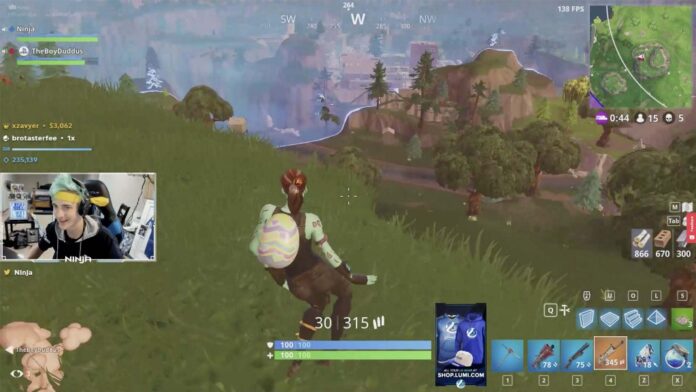
Top Twitch streamer Ninja first streams his game play to Twitch then later uploads edited highlight reels to YouTube along with his vlogs and other content.

Ultimate Time-Saver

The biggest reason to ensure streams aren’t one-and-done content is the amount of time it saves you. Between keeping up with the latest gaming trends, editing previously recorded content, brainstorming new ideas, writing scripts for future videos and handling promotions and your social media presence, there’s a lot on your plate. Free up some of your time by utilizing the wealth of footage you’ve already captured thanks to your live streams.

On top of turning your saved streams into a source of footage for more polished video content, it also saves time when you’re cross-promoting content in multiple places. Use highlights from your streams and post them on Facebook, Instagram and Twitter to entice new viewers. Trimming out 30–60 seconds of footage from your stream is significantly quicker than scripting, recording, and editing an all new video for each platform.

Best Uses for Your Stream Footage

Now that you have all this live stream footage lying around, there is a variety of options for putting that footage to work:

Replays for Viewers — Even your most stalwart fans aren’t able to watch every live broadcast. YouTube archive’s streams once you’ve finished, but the notifications don’t always go out the same; meaning loyal subscribers who missed it live may never see it at all.

Go back and edit your stream for replay watching. Every stream has lulls or errors you aren’t happy with — loading screens, waiting in lobbies for multiplayer matches or other technical problems. Edit those moments out and trim it up into a shorter, easier to watch video.

Secondary Audiences — There’s a distinct difference between audiences who enjoy watching live streams and on demand viewers. Viewers who tune into streams are prepared for a lengthier video and enjoy the direct communication, which picks up the slack in slower moments. On demand audiences want a more streamlined video where they can get the ‘meat’ of the content in a shorter span of time. Trim the stream — or break it apart — into 15–20 minute videos to appeal to those viewers.

Walkthroughs — A great way to add relevant and long-lasting content to your channel is game walkthroughs. Gamers frequently turn to the web when they’re stuck on a particularly hard area or looking for a specific item or Easter egg. Using footage from your streams to craft your own easy to follow guides not only provides new content for your channel; it turns your videos into valuable resources for gamers even months or years later.

Compilations & Top Lists — Everyone loves a good recap video. If you have a good number of streams under your belt, selecting specific moments from each one to edit into a single video is a good way to reuse old footage for new content. You can do a countdown of your funniest moments during a stream, coolest moments, best plays, or even a top list of your favorite games of the year.

Themed compilation videos make your streamed content accessible to on-demand viewers and help promote future live streams.

Highlights — Stream long enough, and you’re sure to have some awesome moments go down. Save these and use them as highlights on your social media, or as separate uploads to show subscribers and newcomers your best moments in a convenient way.

Reviews — Game reviews are great for your channel, and if you’ve been streaming the game, they’re easy to create. Use your stream footage for B-roll, then record your review dialog and edit it all together.

Transcribing — Once you’ve edited your stream, go through and transcribe your audio. You can use this for closed captioning, which not only makes it more accessible, but also improves your SEO.

Don’t Let It Go to Waste

There is a multitude of uses for your streaming videos beyond their initial broadcast. Even if streaming is a smaller part of your overall channel content, it’s a valuable source of raw footage.

From gifs for social media to highlight reels and walkthroughs, reusing streamed footage saves you valuable time you can put into growing your channel in other ways. Don’t let it simply sit there and go to waste; repurpose your streams to work for you in expanding your audience.

Get YouTuber.

Use a Mission Statement to Bring Focus to Your YouTube Channel

It’s easy to let your YouTube channel become a hodge-podge of disorganized ideas. A mission statement can help give your channel direction.

I’m 16, and I’m mad about something I won’t remember. My best friend and I are driving through town to the Paul Smith store, famous across the blogosphere for the aggressively pink wall in its parking lot. I’d seen the wall before, for who could miss the plane of color bouncing at a person through the window of a bus down Melrose Avenue? Even more than the neon field, a person would see the photographers, or influencers, or tourists, jostling for enough space as to make it seem that they, in a sponsored outfit or walking shoes, were the only ones in the parking lot. The day is cloudy, and we actually are the only people here. In a black cardigan and t-shirt with a Hamlet soliloquy printed on its soft, white fabric, I slouch in front of the wall as my friend directs me. The product of this shoot is a perfect representation of me, I decide: I huddle over my phone with my face in profile, a monochromatic shout of angst against blaring rose.

That photo, now in the annals of my old Facebook profile pictures, is a fine visual definition of a mission statement. It is a clear, succinct way of telling the viewer what I’m all about (literature, complaining), and it worked pretty well if I remember the amount of Instagram likes I got on that picture.

In a formal sense, a mission statement is an entity’s proper summary of their values and goals. Youtuber has discussed the benefits of focusing your channel before, and this is another way to clarify what, on earth, any of us are ever doing. If the channel is a group effort, then a mission statement would help center everyone around a common vision. Although mission statements are mostly used by larger organizations, they can also be applied to individual pursuits. It could help bolden the line between privacy and public output, something that more creators in the gig economy struggle with. Mission statements are necessary because they define what creators will not do as much as they detail viable actions. It may seem counterintuitive, but sometimes creativity functions better within a limit.

A mission statement will focus your energy, of course, but it will also help build an audience. If people know what they can expect from the channel, then they’re more likely to keep watching. They can also find you or similar channels through keywords and search engine optimization techniques, building a rising tide of related content.

If you’re a casual uploader, then there’s no need to worry about branding. For professional YouTubers, this sort of focus can be the difference between strings of day jobs and creating full-time. I see a professional YouTuber as a channel that uploads on a regular schedule, with visibly high production value. It should be clear that major time and energy was spent on each video, with the subscriber and view counts to match it. Here are a few examples from different genres:

Crash Course

Started by the Green brothers, this channel specializes in academic content across fields of study. According to their channel description, they “create free, high-quality educational videos used by teachers and learners of all kinds”. And guess what, that’s exactly what happens! Their goal is to make learning materials accessible, and their program playlists cover everything from neuroscience to film criticism. As a full-fledged organization, they benefit from a clear mission statement.

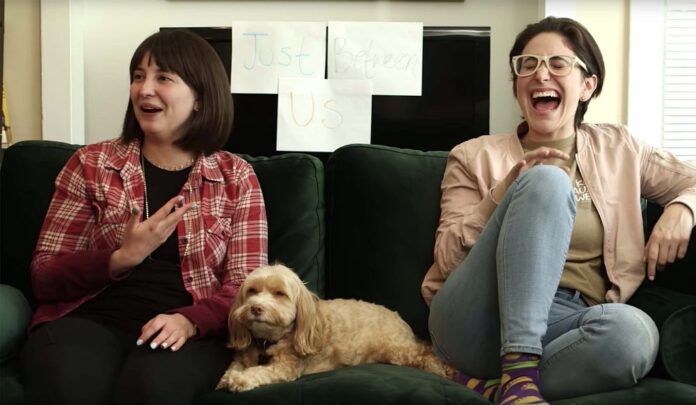
Just Between Us

In their description, Allison Raskin and Gaby Dunn form “an LA-based odd couple comedy channel from co-dependent besties.” Their uploads alternate between advice segments and sketches and promise that viewers “will learn nothing.” This funny statement perfectly summarizes the videos, and gives new audience members a taste of jokes to come. Even though they are a smaller set compared to the growing empire of Crash Course, JBU still has scheduled content and a production team. Raskin and Dunn are thus able to dedicate more time to the channel and their creative work, such as a forthcoming book.

Clothes Encounters

As an individual blogger, Jenn Im has to work a little harder to distinguish between personal and public lives in ways that established organizations might not. Her channel description suggests such a distinction: “I’m Jenn Im. Korean American. Born and raised in LA. Clothes Encounters is a vlog of style musings, tutorials and lifestyle advice.” Her lifestyle is the main subject of videos, yet the channel is a cute moniker rather than her full name, a rather important if subtle difference. The statement tells the viewer just what to expect while remaining professional; Im shows enough of her personal life to be interesting, but not so much that she runs the risk of exploiting herself.

When crafting a mission statement, it’s good to consider that 300 hours of video are uploaded to YouTube every minute. With so much content to sift through, how can you make your channel special and focused? Imagine the mission statement as the theory of your channel, while the videos themselves are the praxis. How consistently can you fulfill your own goals?

Get YouTuber.

6 Tips to Building a Vlogging Routine Without Burning Out

While Vlogging might look carefree and easy while watching other channels, there’s a lot of work that goes into staying relevant and being consistent, all without wearing yourself out. If you’re just getting started, we have some handy tips to establish a routine to help prevent the dreaded burnout.

1. Plan ahead

Vlogging may not be a typical production, but many of the processes are the same. This includes making sure you have all necessary equipment, a schedule, individual show topics (or even a rough script), and set/decor dressing.

Additionally, vlogging requires you to plan for planning. If you want to build followers and stay relevant you’ll have research the topics you’re covering. You don’t want to come off as ignorant or uneducated on the things you’re discussing.

As such, make sure you’re planning includes time for regular research. If your vlog is primarily about technology, stay well-versed in the latest advances, recent news, and the history of what’s come before. It’s not the most thrilling part of vlogging, but crucial to your growth and staying on top of things.

2. Record in bulk

A publishing schedule should be established early on. Whether it’s once/twice a week or daily, make sure you stay consistent in posting. Pick a pace you’re confident in maintaining and then make life easier by recording in bulk.

Much like game shows or late night talk shows, it’s helpful to record multiple episodes at a time; providing a ‘bank’ of vlogs you can publish at future dates. While you don’t want to bank them too far in advance and run the risk of posting vlogs with outdated information, recording a week’s worth of episodes in a single session has benefits.

You’re still able to post spontaneous videos (i.e. reactions to breaking news/personal events), but recording in bulk ensures a consistent publishing schedule. If you’re sick or dealing with unexpected problems, knowing you have vlogs ready to upload will alleviate unnecessary stress.

3. Keep notes throughout the day

All vlogs are different — even when tackling similar subjects — since the host’s personality and opinions makes each vlog unique. The thoughts you have on a subject won’t be the same as others, and that’s what you showcase on your vlog. To make this easier when it’s time to record, keep a notepad or your phone handy to write down your ideas whenever they come.

Keeping with the tech vlog example, say you’re reading about a newly announced piece of hardware and a flurry of thoughts pop into your head. These spur of the moment reactions are what your audience is looking for. Jot them down so you can be sure to mention and address them within your next vlog.

Schedule time for researching and reviewing your notes so that you have a deep pool of ideas and knowledge to draw from when you sit down to record.

While it may seem like you have endless things to talk about when you’re getting started, there will be days where you feel dried up on conversation topics. There’s a good chance you had ideas you never recorded. If you wrote them down, revisiting those notes could get you through those dry spells.

4. Maintain your set-up

In most productions, you tear down your whole setup once you’re done recording. For vlogs, however, it’s best to leave everything set up and ready to go. During your planning phase, establish a dedicated space for recording. Figure out your lighting, craft your set and background decor, and get your tripod, camera and mic ready for filming — then leave it be.

Even the simplest setup takes time to put together. Don’t make life harder by having to redo it every time you record. Leave everything laid out so all you have to do is mount your camera and get to work. This time-saver means you’ll have more opportunity to…

Don’t forget to leave time in your schedule for things other than vlogging. Constant recording is a good recipe for vlog burn out.

5. Schedule free time

Everyone, regardless of their profession, requires time to themselves and the chance to relax. There’s a lot of pressure for vloggers, especially those starting to establish their online presence.

Between daily recording, editing, posting, promotional efforts, maintaining social media and constantly researching to stay relevant and consistent for your audience, there’s a lot of work involved. Do this day in and day out for any length of time and burnout won’t be far behind. Whether it’s exploring other hobbies, reading a book, relaxing with friends and family or just vegging out on the couch, give yourself a break from the vlogging grind.

6. Post-help

Post-production can be a time consuming process, even on vlogs. If you want it to look polished you’re going to have to put in some work. Even when recording in bulk to save time, you might spend a full day dedicated solely to editing. Enlisting a separate editor may not be something feasible at first, or even within your first year, but it’s something to keep in mind as you continue to grow.

Following these tips will not only make life a bit easier as you’re starting a vlog, but will also help prevent burnout; keeping the experience enjoyable for you throughout the years.

Get YouTuber.

Advertisement
Advertisement
communal
communal