Home Blog Page 150

Expressing vulnerability on YouTube

Girl pulling braids in front of her eyes as if to hide from the camera

YouTube as a platform is built upon a certain level of intimacy between creators and their viewers. But how can we maintain that intimacy without putting ourselves at risk?

In May of 2018, YouTuber, Elle Mills uploaded a video entitled “Burnt Out At 19.” In just one year Mills’ channel had gone from 15,000 to 1 million subscribers, an achievement that Mills described as “her life-long dream.” Despite this outpouring of support and success, Elle Mills’ mental health began to decline rapidly as the burnout set in. This intense burnout eventually culminated in a breakdown that Mills documented and uploaded to her channel. The video received an outpouring of support from viewers and fellow creators, and while it remains jarring and difficult to watch at points, seeing these kinds of public breakdowns from popular YouTubers is nothing new.

A conflation of public and private
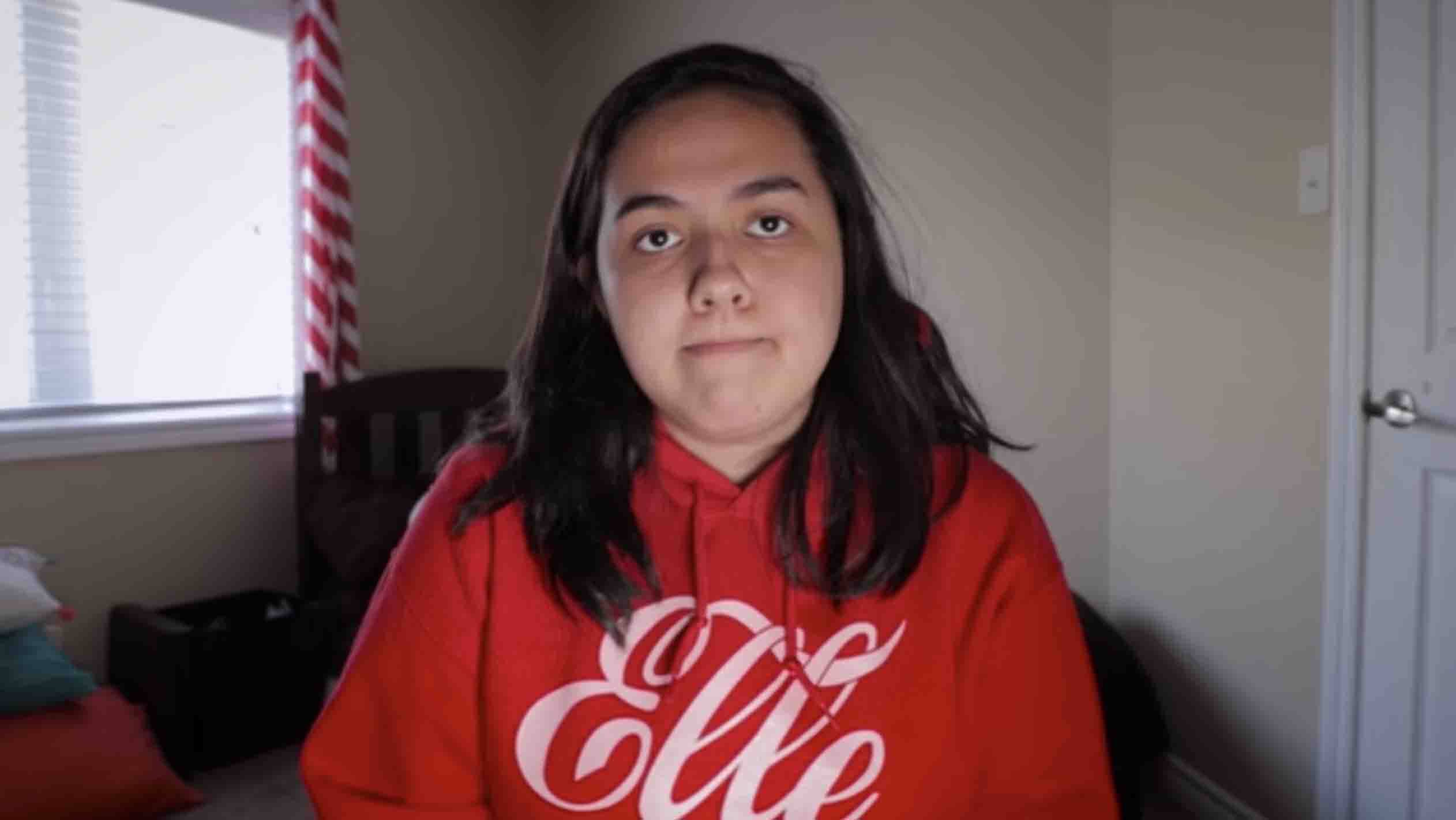
Elle Mills looking directing into the camera
Elle Mills was living the dream until constant pressure led to severe burnout. She has since reconsidered what and how she shares online.

On YouTube, anyone can invite strangers to see the most intimate details of their life with little consequence. A viewer can express concern, but they cannot act upon it outside of posting a tweet or comment. In a second video posted to Elle Mills’ channel describing the aftermath of her breakdown, Mills confesses to using YouTube as a way to be vulnerable and get her feelings out, without having to confront potentially concerned friends and family members.

For years creators have made YouTube their personal diary but in reality, YouTube can only serve that purpose to a certain extent. Our most vulnerable thoughts do not always need as broad of an audience as YouTube provides. No one can deny that YouTube is an outlet for expression, but it may not always be our healthiest outlet, particularly when the need to talk about struggles on YouTube supersedes the need to do the same with close friends. Expressing vulnerability online may feel relieving at the moment a video is posted, but it is important that we remember it is not a long term solution to suffering.

So should we avoid opening up to our audiences online? Not at all! When vulnerability is handled with care, it can be incredibly rewarding. Mental illness often preys on a person’s feelings of isolation, so when individuals learn that they are not alone, they become more likely to seek help. YouTube videos about mental health often play an important role in breaking down the cycles of stigma and fostering more honest and authentic communicationamong viewers.

Should we avoid opening up to our audiences online?

Not at all!

The difficult question becomes: How do we care for ourselves and our viewers when wanting to be publicly vulnerable?

Healthy vulnerability

The first step, as with most things in life, is to check in with yourself. Talking to friends, family, or even a therapist, can help give you an idea of if you are ready to be publicly vulnerable. Ask yourself if you are doing well enough to talk from a place of clarity about the subject. When creators fail to do this they can sometimes inadvertently model behavior that is harmful without realizing the example they have set. Giving difficult situations the time they require before discussing them online can help prevent this. Before a person can speak honestly about their struggles, they must first understand what exactly they struggle with, otherwise, you run the risk of normalizing harm instead of encouraging your audience to ask for help.

Where expressing vulnerability can feel empowering to some, it can also open a creator up to large amounts of hate and scrutiny. By being vulnerable online, a YouTuber relinquishes a certain amount of control over their personal narrative. By definition, vulnerability comes at the price of letting your guard down and potentially facing criticism as a result. This is important to keep in mind prior to making a video public. Ask yourself if you feel like sharing this information online will be a healthy choice in the long term. Just because opening up about struggles with depression may help viewers in need of guidance, does not mean that it should come at the cost of a creator’s own mental health.

Connor Manning drinking from a mug in a video
Connor Manning blends humor with heartfelt insights to show vulernability and connect with viewers.

Remember that it is always okay to step away from comments after posting. Taking time to blacklist specific words before posting a video that could potentially inspire hate can sometimes help protect a creator’s comments section from becoming overrun with trolls.

Guidance from other creators

If you’re looking for inspiration, there are plenty of YouTubers out there who are known for their more vulnerable content.

Connor Manning is a creator who is mostly known for their vlogs where they give advice and talk about mental health. With videos such as “Hi, I’m Connor. I’m Still a Drug Addict.” and “SMASH That Like Button if You’re Feeling Lost,” Manning approaches the most sensitive subjects with unparalleled compassion and tenderness.

In the age of the internet, vulnerability is our most powerful tool, so long as we treat ourselves with the respect and kindness we deserve.

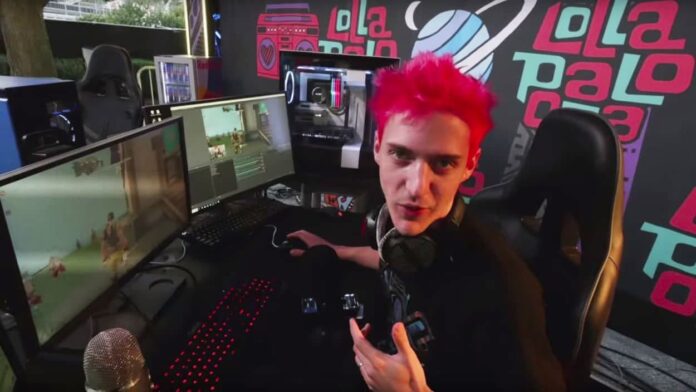
How To Follow Video Trends The Right Way

Thumbnail from a draw my life video

Tackling trends on YouTube isn’t easy. It’s a balancing act, a tightrope walk, another metaphor for balancing between two things. Here’s how to get it right.

Trendiness is tricky. If your attempt at following a trend fails, you could end up in a “cringiest videos” compilation put together by some dude with Windows Movie Maker. If it goes right… Stardom! Fame! Enough subscribers to get you into YouTube Rewind, even if you aren’t Will Smith! Let us guide you to the other end of the tightrope, like your own personal Nik Wallenda — the record-breaking tightrope walker I learned about while procrastinating writing this article — but for trends on YouTube.

“But I’m not a sell out”

Why should you create content based around a trend? To begin with, you’ll be making content that people are already interested in. Topics trend for a reason — they’re engaging, relevant and entertaining. The potential to attract a new audience is definitely part of the appeal in following a trend. It’s also, let’s be honest, usually pretty dang easy. Trends are simple to follow by design and can be executed in a small time frame with minimal resources. This allows you to create more content for your channel, which appeases the Almighty Algorithm.

In the words of Ru, “don’t f*ck it up”

Following trends has its appeal, but as with anything online, there’s the potential to do it wrong. Let’s not forget that time Alfie Deyes did the “£1 A Day Challenge,” a trend designed to raise awareness about rising poverty levels in the UK, only for the YouTuber to complain about not being able to eat the endless free frozen yogurt his celebrity status had given him. No shame in being thirsty for views, but don’t be so thirsty that you drink tap water from your £1.7M home and complain about it online. When following a trend, be sure to understand the roots, the culture and what you’re doing. Failure to do this will result in cringe-worthy content at best and having to upload a video insisting you’re not a Tory at worst.

When a channel is built entirely on trends, it becomes clear that the YouTuber is making content for views, which can take away from the authenticity. Trends are fun, but you don’t want people to visit your channel after loving one of your videos and seeing nothing except for reaction videos and challenges. Don’t be that person. You’re reading an article about how to tastefully tackle trends on YouTube, and so it can be assumed that you’re not that person, but it’s always good to check.

It’s also important to ensure the content aligns with your values and content you enjoy. This is advice that should guide all videos you make, but it’s especially important not to get swept up with a trend and abandon what your channel is about, your personal values or the type of content you’d ideally be putting out anyway.

*David Bowie voice* Let’s Trend!

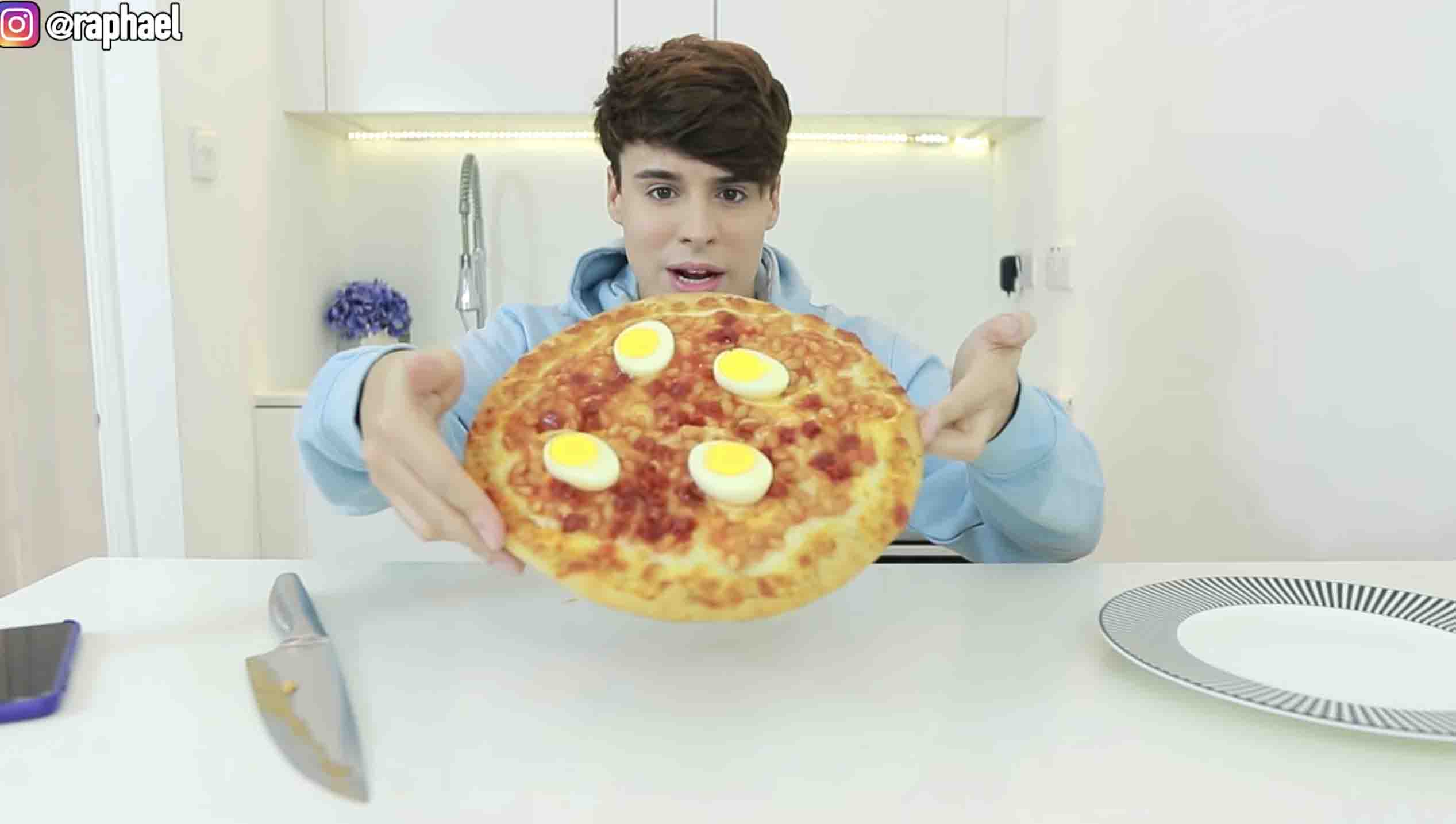
The best YouTubers adapt and twist trends to suit their own channel and use the trend as inspiration to create a video that their existing audience will love. This can be difficult if you have a niche audience, where adapting the trend to suit your channel’s direction is crucial for not alienating existing fans. Raphael Gomes, a food vlogger from Portugal and based in London, smoothly incorporates trends into his channel by making it related to food. As the “Instagram Followers Choose My X” trend peaked, he had subscribers decide his meals for that day. When in doubt, just imagine that Tyra Banks meme saying “trending, but make it your brand.”

Raphael Gomes tailored the “Instagram Followers Choose My X” trend to his channel by letting followers choose his food for the day.

Another way to make trends your own is to truly transform the trend and make something different. When daily vlogs were on the rise, there were two stand-outs for the genre — Casey Neistat and Adrian Bliss. Neistat, a YouTube staple, incorporated his passion for cinematography, storytelling and editing to make mini works of art masquerading as your average daily vlog. Adrian Bliss took the complete opposite approach, creating a parody series of the daily vlogging genre, complete with transparent money grabs, a fake relationship and a forced catchphrase. What made both creators successful was their ability to see a trend and adapt it so flawlessly that you forget it’s even a trend and begin to simply appreciate the content for what it is. Make sure that, even when taking on strange or seemingly-bland trends, you make them your own and create something your audience will be obsessed with regardless of whether it’s related to a trend or not.

Trends may get a bad wrap, but they have the ability to inspire content you never would have thought to create and to attract a fully new audience that’s excited to see what you make next. Your creativity and unique brand will make your content stand out, so go forth and trend!

Natalie and Tara: Finding your audience on YouTube

Natalie and Tara are the comedic duo behind the YouTube Channel Natalie and Tara Try Things! On their channel, they have built a community by taking their audience along with them as they…well, try things.

Natalie & Tara channel icon

Natalie and Tara
Subscribers: 3,795
Uploads: 138
Video Views: 483,379 
User created: Jan 12th, 2017

From colonial cooking to changing their own oil to going on Atlas Obscura adventures, Natalie and Tara have no shortage of experiences they are willing to share with their audience. We had the chance to talk with them about how they have found their audience by doing what they do best, trying things.

How did you two meet?

Natalie: What happens in LA is improv people get together and have improv parties in their living room, and we were at one of these said parties. Tara and I were the only girls there and somehow we got relegated to the kitchen hanging out by ourselves.

Tara: Because they were not good improv people. We would get tagged out after being up there for like 5 seconds.

Natalie: Yeah, they were not great; they kept tagging us out because they thought they were funnier than we were.

Tara: Which is incorrect, I mean look who’s still making comedy. Yeah, WE ARE!

Natalie: So we ended up in the kitchen and talking about our love for Monty Python. And then I happened to be in a show a couple of weeks later that was an all-female cast doing Monty Python sketches, and I cold-called Tara, I didn’t even know her name at the time — [laughs] like “that girl who I was talking to in the kitchen, can I get her number?” I called her up and we ended up doing the show. Thick as thieves ever since.

What made you want to start making videos?

Natalie: So we made “Imaginary Friends,” our short film. We got back from a festival and we’re sitting around thinking, “What are we doing next?”

Tara: We wanted to keep making stuff; we wanted to keep making and editing and putting out content. But making a true traditional media project, it takes a lot of time and a lot of money. Like it takes a year to get a short film done sometimes, just because you can’t afford to pay the editor enough to get your project done first.

Natalie: A big part of it is, we knew that when we would release “Imaginary Friends” on Youtube that no one would watch it. No one would see it. So we went from knowing that maybe 12 friends would watch it over time then [it woud] waste away on YouTube. On the first day that we released it, we had over 100 views in its first day. That was our goal: build our little fanbase so that when we do stuff, it would get seen.

Tara: Yeah, to find the people that would like the kind of stuff we like making. I still often see really great web shows kinda waste away on YouTube because no one is following their account because there is so much content on YouTube, and I didn’t want that to happen to our stuff.

For the first three months, we didn’t tell anyone we were doing the show.

How did you go about actually FINDING your audience?

Natalie: For the first three months, we didn’t tell anyone we were doing the show. We just put it up there and Tara learned how to edit while doing it. We didn’t know, we still don’t know, what we’re doing. We didn’t understand lighting; we were filming all of it on Tara’s iPhone at the time, so those first three months, we didn’t tell anyone because we didn’t want to start pimping it out to our friends yet.

Tara: Yeah, this kinda gave a chance to figure out what we were going to be all about and kinda get a system down before we had any set expectations.

How did your audience find you since you weren’t really promoting the channel yet?

Natalie: We found a channel that we loved, Townsends. They do 18th-century cooking, and we decided to try one of their recipes and then we sent it to them. They saw it and they loved it, and they mentioned us in their live stream and we had SO many people watch that episode and they thought we were really funny, so they watched a bunch of our other videos.

Natalie: It’s impossible to get in front of just the food lovers, or just the travel lovers … we do all of it.

Tara: I think we have made a point to find other channels and find other things that we are genuinely enthusiastic about, and because we love them so much, they want to promote it.

Like, “look at these girls who love my car video so much; look they did it, too. Like, they’re bad at it but you can use my video, too, and do better than they did to change your oil.”

Once you found your audience, how did you get that audience to grow?

Natalie: Our current process of building our audience is talking to EVERY. SINGLE. PERSON. Who comments on a video. We are amazingly engaged with them, and they are amazingly engaged with us. And we find that every person that we do talk to ends up coming back. We have these die-hard fans that are there.

Our current process of building our audience is talking to every single person who comments.

Tara: It kind of makes it more fun, too. After commenting back on every single comment, after a while you start to build a rapport with people, and then it starts to become really fun when they pop into the live stream and you have inside jokes with them.

I also try to get on YouTube and go watch other people’s content and start talking to other people as well. What I’m noticing is that some people will end up coming over to our channel and subscribe.

Natalie: Our live stream, Shh Shh Secret Time, is just for those kids who are watching it.

And we’re probably hurting our channel by doing this, you know; we get 120 views for a short while then hide it when the stream is over, but that doesn’t bother me. It’s become successful within our own community.

Tara: Yeah, I love Shh Shh Secret Time.

What’s the most rewarding part of finding your audience?

Natalie: I’d have to say Shh Shh Secret Time. Every time that we flip that stream on and you see there’s X amount of people waiting. You know, having spent an hour and a half talking to people and their so nice, I mean, they love us and we love them.

Tara: It’s so rewarding knowing people’s handle and having that rapport; it’s super fun.

Natalie: We have people who will give us, like, specific comments on every video. To the point where when we’re filming we’re like “Oh Elizabeth is going to get a KICK out of this one.” There are times where we’ll address the audience while we’re recording.

Tara: Yeah, right now, we’re in this small little sweet spot where we’re still small so we can keep up with our subscribers. Like as much as you want to be a big YouTuber and have this massive following of people, right now, because it’s so small, we actually know everybody and can have that relationship with our audience. And that relationship is going to beget more followers because we’ll keep trying to maintain it.

Natalie: Another really rewarding moment was when we got a postcard from one of our subscribers.

Tara: I don’t think she ever commented before.

We’ve been trying to go on this adventure since we started the channel and we finally have made it happen.

Natalie: But, because of our Atlas Obscura videos, she went out and started to search Atlas Obscura sites in her town and sent us a postcard from one of the sites. It was our FIRST PIECE OF FAN MAIL. Like someone was inspired by something we did.

Tara: To me, that’s what it’s all about. I mean activating people to buy a product is fine, but activating people to do something in their lives that betters their life is so rewarding. That’s kinda what the show is for me; like, I’m using it to have a really fun life. [laughs]

Natalie: [laughs] Yeah, it’s an excuse to do stuff.

Tara: Like I make the excuse of “we’ll make an episode of it” because I wanna do a thing. And that’s been so fun.

For YouTubers trying to find their audience, what would you recommend they do?

Natalie: It’d say the first step is to find your voice. Like know who you are on YouTube and then [don’t change] that. I mean if you grow, you grow, but I think people fall into the trap of getting advice that works for other people but doesn’t work for them. So if it doesn’t go along with your voice, don’t change it. Like, if you aren’t unique, no one is going to watch your channel anyways.

Tara: Like, we’re very similar to Good Mythical Morning and the Try Guys, but we’re never going to be those guys or do what they do — we’re doing what we do in our own way.

Natalie: When it comes to getting in front of people, you have to play the game and keep putting stuff out there. Build your subscribers one subscriber at a time.

Natalie: When it comes to getting in front of people, you have to play the game and keep putting stuff out there. Build your subscribers one subscriber at a time.Natalie: Yeah, and like, one thing should create the other. People who find you should find you unique and entertaining and then want to follow, and you keep them by interacting. And then when people go to your videos and see that you’re interactive, they’re much more likely to come back and engage. Like, they’re not watching a television show; they are participating in it.

Tara: Yeah, they chose YouTube because YouTube is a participation space. So participate. I feel like getting subscribers follows the same rules of good networking. Good networking is making friends. If you’re going to a party to network, find people you genuinely like and make friends with those people and you’ll be friends for years. I have people I’ve met at networking parties and we’re friends now, because the purpose wasn’t to network and get something out of them, the goal was to make friends with them. And the rest of the people who I don’t jive with — whatever, see you around.

Natalie: Also, for subscriber count, don’t do any of that false stuff to get subscribers (aka buying subscribers), because if they’re not watching, then who cares? Like, we have some viewers who fall off and we’re happy because if we’re not their cup of tea, we’re not their cup of tea. We don’t need to just be filling people’s subscription box; that’s not doing us any good.

We’re doing what we do in our own way.

Tara: Based on what YouTube values now, subscriber count is less important and what is more important is that people are watching you in their watch time. Having a huge subscriber count isn’t the goal anymore, so don’t let that small number bother you.

Anything else?

Natalie: Remember to hydrate. [laughs]

Tara: [laughs] Yeah, drink lots of water!

Healing through Animation and Shared Experience: An Interview with Ilyssa of Illymation

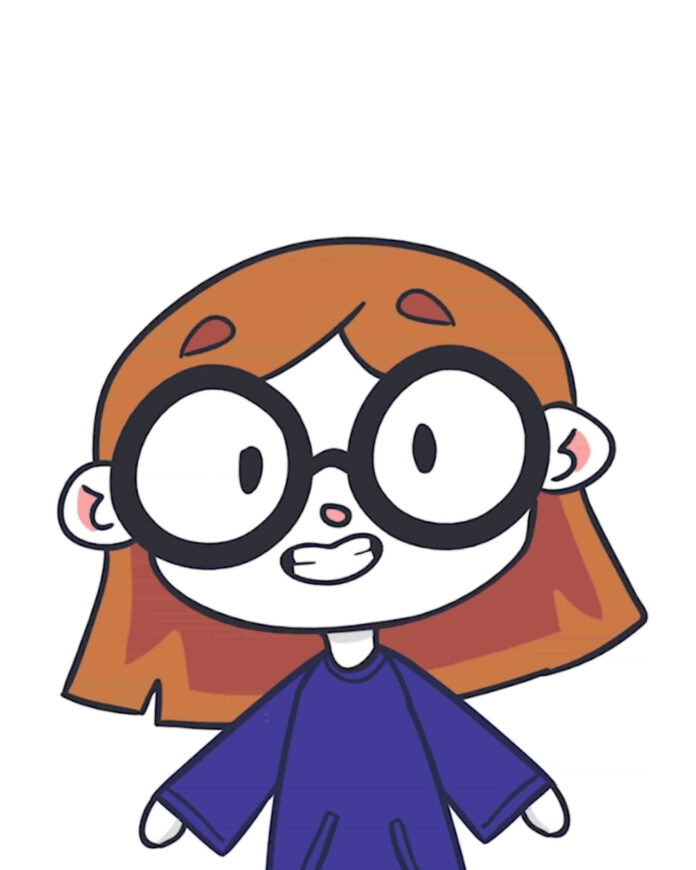
Animated version of Ilyssa

In the past few years on YouTube, the animation community has blown up with new and exciting artists and storytellers. Among these expanding channels is Illymation, helmed by Ilyssa, a 21-year-old animator on YouTube who, in just one year, has gained a loyal and dedicated audience of one million subscribers.

Illymation channel icon

Illymation
Subscribers: 1,108,482
Uploads: 15
Video Views: 31,896,096
User created: Sep 1st, 2013

Illymation’s growth is shocking given how hard it has become to break through on YouTube nowadays — especially for animators — but when you watch Illy’s animations, you can see why people are drawn to her content.

What lures people into her channel initially, she suggests, is morbid curiosity. Her creativity shines through as she tells me, “Girl talks about somethin’… You’ll wince a little bit at that somethin’, but you’ll watch it. It’s kind of like when you walk outside and you see a really mangled squirrel, and you’re like, ‘I should probably look into that.’”

When watching it though, viewers will feel relief, thinking, “Thank god there are jokes.”

Vulnerability is at the core of Illymation

Part of what makes Illy’s animation stand out in this growing genre is her openness within her content. “I think what people want right now is authenticity because I think that’s something on YouTube that everyone knows that’s what they want, but they know at the same time too that that’s not what they’re getting… I figured stories about yourself and, I guess for my channel, kind of vulnerable times, I think that’s what people want.” One of Illy’s most popular series, in fact, is a narrative about her experience in an abusive relationship.

Ilyssa wearing a red shirt with red flowers in the background

This raises the question of how to be truly authentic and vulnerable when sharing with a huge audience. Ilyssa explained how she navigates setting a boundary while creating personal videos about her own life. “I’m still trying to figure it out because what I’m trying to do is get deep and personal and tackle subjects that aren’t always fun to talk about…. If I can’t find a moral or a reason to say, ‘This sucked, but here’s why it’s gonna be okay,’ if I can’t find that, there’s no use talking about it. Otherwise, I’m just putting out this sad time, and I’m not helping the cause.” She also handles potential breaches of privacy by being mindful of which details are mentioned about the people and places she’s illustrating.

She hopes that by being so genuine and honest about her own experiences can, in turn, help others who may be going through the same thing. “Unfortunately, [abuse] is something that affects so many people,” she said. “Me putting it out there doesn’t feel like I’m ripping off some kind of bandaid for everyone to infest. It just feels kind of like putting the hashtag, Me Too. I went through this, too. It’s not saying, ‘I’m the first person to go through this’ or ‘listen to my story, it’s crazy, you won’t believe what happened.’ It’s saying, ‘I know this is happening to other people and it’s scary to talk about,’ and I’m just trying to start the conversation is all.”

Cartoon version of Illy's family, with a young evil looking Illy in the back seat
Ilyssa connects with fans with relateable animated storytime videos like Evil Thinkgs I Did as a Kid.

Illymation’s origin story

Even before starting a YouTube channel, Illy had already begun pursuing her interest in animation by majoring in it at college. “I must have been really itching to do something for me outside of school,” she recalls. As for why she turned to YouTube specifically, she said, “Part of it was just trying it out to see where it would go.”

She began by working for another well-known animator, Alex Clark. Though that experience, she learned the programs and videomaking process and decided to begin some YouTube animation projects of her own. She values making animation over other forms of content on the platform because she finds a sense of control in scripting and animating and having the freedom to make changes, rather than only having whatever footage you were able to film prior to editing. Now, it has become a huge facet of her career. Ilyssa hopes to continue doing animation online as a career for the time being, as it gives her the freedom to explore her own ideas without the influence of others. Eventually though, she hopes to break back into the traditional animation industry.

Illy and friend taking at a table in a restarant
In one installment of Ilyssa’s series on her abusive ex, she meets up and bonds with another woman who also had unpleasant encounters with the same man.

From idea to upload

Her general process for animating is working on multiple projects at once. “If I’m animating, I’m trying to think of more video ideas.” For outlining ideas, she prioritizes using word processing software that autosaves. “I’ve made the mistake too many times of using something that doesn’t autosave.”

Wham Bam, in about a month, you’ve got a video!

As far as pulling from her own experience for ideas, she said, “I’m kind of racking my brain for things that made me sad that don’t make me sad anymore and trying to figure out why that is. Or things that make me sad that I can now joke about, which is an even further take on, ‘I’m really not sad about this anymore. I’m very okay.’” She likes to introspect to discover how she got from the immediate sadness to feeling okay, so she can figure out how to portray that in her animations. “I think that’s the path that is hard to see when you’re in that awful moment.” She strives to be the evidence that things will be okay for other people, regardless of where they are at right now.

When she has her idea written out in full, she then moves her script to Google Docs to add comments describing what the scene will look like. Creating backgrounds comes last, where she’ll use a sophisticated and creative color coding system in the script to indicate patterns in the background, like scenes where her character is against a white background. “Any excuse to color code something pink, I’ll do it,” she laughs.

She also thinks about the narration at this point: “When I’m writing, I read things out loud, because that is how I know it’s gonna be presented, so I think about the delivery of things.” After all of this pre-production, she throws it all together and uses the software Toon Boom to animate the characters, and “Wham bam, in about a month, you’ve got a video!”

Scripting for Illy is the most exciting part of her process: “That’s when I feel most motivated, and kind of like daydreaming and knowing that the daydream will exist.” A close second to scripting is uploading. “After three or four weeks of taking my time on this, I can just upload something and take the weekend off and hang out.”

When she’s not working on her next big project, she enjoys swimming — an old high school pastime — to get away from the pressure of creation.

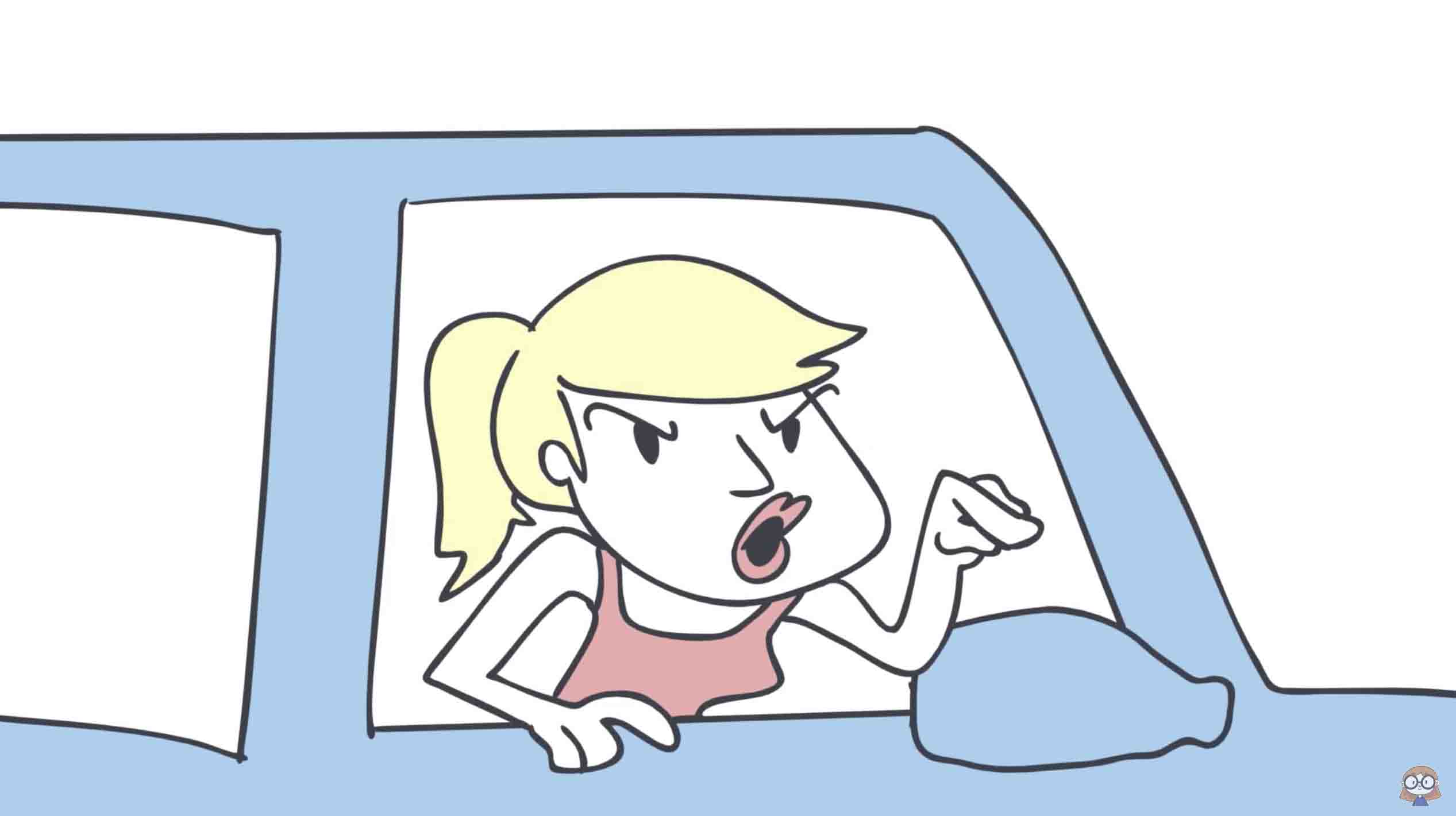
cartoon version of an angry blonde lady in an SUV
In Cussed Out by a Stranger, Illy artfully expresses the bemusement we all feel when confronted with an unexpected barrage of insults.

Roadblocks and challenges

The process of creating animation is not all smooth and easy, though, despite how passionate Ilyssa is about it. The time it takes to put together an entire animation is no joke, and then there is the pressure from the audience to have videos posted. “I do feel really bad when people are like, ‘Where’s the next video? Tap tap, where is it? I am just as distraught as you are.” It takes the occasional break from the comment section for Illy to remind herself that it’s okay to take time between uploads.

Not only does she face pressure from her audience, but she also has to deal with her own internal imposter syndrome. In regards to her channel blowing up within the past year, she says, “It’s really exciting, but what consumes me more is the anxieties and fears of messing up, because I feel like I don’t really have room to mess up… I do step back and go, ‘Come on, this person is putting twice the amount of effort as I put into mine, this isn’t right.’”

Another huge issue for any creator with a large audience is hate comments, which can be detrimental to a person’s confidence in making videos.

It took me a while to stop looking at the comments; that’s all i would do every day.

“When you get a certain amount of attention on YouTube… at some point you just have to stop reading the comments,” Illy says. “And deciding when to do that is hard, because 9 times out of 10 people are saying something nice, but that 1 time is gonna bring you down. It took me a while to stop looking at the comments; that’s all I would do every day.”

For the first hour or so after putting out the video, Illy watches the comments come in and interacts with fans in the comment section; the first viewers tend to be the most dedicated ones. She also believes that people who are passionate about her work will reach out in the form of making fan art or sending tweets.

Ilyssa and her cat Luigi
Ilyssa frequently draws her Japanese bobtail cat, Luigi. He’s included in her channel icon and appears in several videos.

Advice to fellow animators

For people looking to make their own animations on YouTube, Ilyssa had some concrete advice: If you’re able to get out to a convention to hear the experiences of other creators and experts, and ask questions, Illy promises it will really help you learn the ropes. “I learned a lot by going to VidCon and listening to their panels, which I know is something you have to pay for, but if you can, I recommend it.”

Another big aspect of gaining traction on YouTube is putting a lot of thought into thumbnails. With YouTube’s constantly fluctuating algorithm, it can be extremely difficult to grab a viewer’s attention and make them click on your video if they have never seen your channel before.

“A thumbnail that has bright colors and a bunch of question marks and circles — maybe that will be good, but you just have to think, ‘What is it that nobody else is doing? Maybe a simple thumbnail will work.’ … You could make an amazing video, but if the title and thumbnail just throw people off, they’re not gonna click on it.”

For the amount of time that animators spend making their videos, it would be a shame to miss out on viewership just because the thumbnail wasn’t intriguing enough or didn’t set the right tone.

Looking ahead

So what’s next for Illymation on this wild YouTube journey? Illy says she hopes to be going to as many conventions as possible, including VidCon Anaheim 2019, where she’s a featured creator for the first time! “I would love to meet people because I get a lot of emails and DM’s and people sharing their traumatizing times and stories with me, and I think it would be a lot more meaningful to talk to these people in person.”

I want to be more in touch with how people feel when going through bad things.

She also hopes to make more videos about personal stories that will be able to help viewers see that they’re going to be okay. Her upcoming projects include an animation about a trip to Japan and a video for her grandmother. Illy adds, “I wanna talk about periods. I think that will be my biggest monetization problem this year…”

But beyond AdSense, she’s also working with sponsors and businesses that could be helpful to her specific audience. “I want to be more in touch with my audience and I want to be more in touch with how people feel when going through bad things.”

Ilyssa’s light-hearted yet meaningful content will definitely continue to spark intrigue and promote healing for her rapidly growing audience. We can all expect to see Illy gaining more and more recognition, all of which she notes will make her mom so proud (Illy charmingly requested to have a shoutout to her mom at the end.)

Chatting with her one-on-one highlighted how genuinely bubbly and radiant she is, not just in her art but also in her personality. The authenticity that Ilyssa demonstrates, even in such a potentially masking form, is the kind of quality that makes any creator appealing to an audience.

Though her journey has only just begun with a stunning spike of attention, Illy has clear intentions and is embracing her role in helping people get through tough times with her artistic talent.

Interview with Coyote Peterson, host of Brave Wilderness

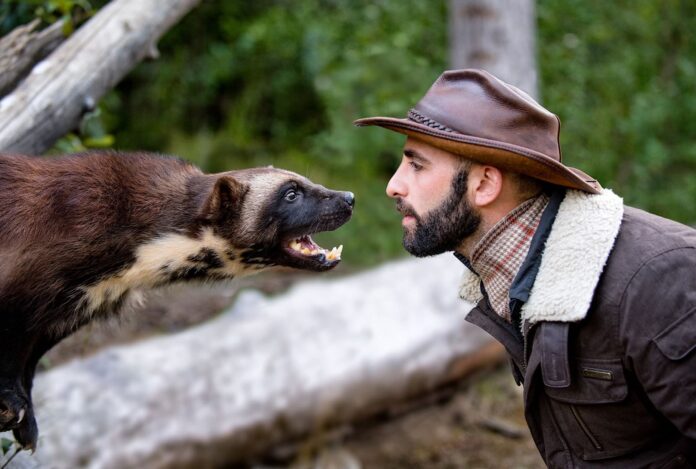
Coyote Peterson and Wolverine
Coyote Peterson and a Wolverine

A primary goal of any YouTube channel is to give something to audiences they can’t get anywhere else. For Coyote Peterson, this meant filling the gap in educational wildlife shows once filled by icons like Steve Irwin and Jack Hanna. The result is one of YouTube’s fastest-growing channels.

Despite the channel’s incredible success, Brave Wilderness host and founder, Nathaniel “Coyote” Peterson, remains humble and enthusiastic about what the future holds. During my lengthy chat with the wildlife host, he detailed how Brave Wilderness came about, crazy encounters, the production process involved and how he hopes his passion can inspire the next generation.

Wild Since Birth

Tracking down and dealing with wild, often deadly, animals isn’t a career path someone falls into. Coyote’s love of wildlife began at birth when he was, literally, born on a horse farm where his mother raised horses. Coyote explained, “the first animal encounter I ever had was with a basic American toad when I was four years old. I caught my first toad [and] my mom let me keep it in a shoebox for a couple of days…I admired it and loved that little toad for the couple days it was with me [before letting] it go back in the wild.

“Really, it just started from there. Snapping turtles were a big part of my childhood because my summers were spent hiking in the woods and exploring ponds trying to catch big turtles…If Steve Irwin had crocodiles, Coyote Peterson had the common snapping turtle! It’s one of the most ferocious, aggressive and predatory reptiles on the planet…and the environment you have to go in to find and catch these turtles is brutal.”

This childhood fascination with animals is also where his nickname originates. Not merely a moniker crafted for the show, it stems from catching lizards as a kid, “My Mom used to take my sister and I traveling across the country every summer. We had an old Chevy Suburban and she would pull a tiny trailer behind it and we would camp across the United States.

“We’d always end up in Arizona and there’s a lizard species called the regal horned lizard, which was my favorite lizard to catch. They’re incredibly well camouflaged and really hard to find, but roadrunners are excellent at finding, and eating, them. So I would follow roadrunners around hoping they’d lead me to the horned lizards. My Mom started calling me Coyote…like the old Warner Bros. cartoon, because I was always chasing roadrunners around!”

The Journey to YouTube

Even with this love of wildlife, Coyote Peterson didn’t think it’d turn into a career. Having graduated with a film degree from Ohio State University in 2004, Coyote seemed on track for a more traditional filmmaking route, rather than as a YouTube sensation.

It was a long and winding road to where he is now, but he walked me through the abridged version: “Right out of college I went down the road of trying to get funding for an independent film…The deal fell apart in contractual stages, which was pretty heartbreaking [since] I nearly secured $5 million for an independent picture. Being a kid from Columbus, Ohio when you’re that close to making your first big picture…It’s tough!”

Recovering from the fallout of that deal was rough and he struggled to get “back on the horse” creatively. Purely by chance, however, his childhood passion provided the answer going forward, “I just so happened to have caught this really large, common snapping turtle… I showed pictures of this turtle to [the] producers I was working with and their first reaction was, ‘Whoa, wait a minute! We didn’t know these things were in Ohio and what the heck are you doing catching whatever this is?!’

Coyote Peterson told them more about his self-taught knowledge of animals, along with his childhood spent catching those turtles, and the producers saw the potential in it. Initially, they were hoping to produce an animal series for television.

“You know,” Coyote explained, “Steve Irwin had passed away and [most] of the animal content out there was ‘Planet Earth.’ There was nobody doing content where they would actually host in front of the camera and give you animals. ‘Man vs. Wild’ was very popular at the time on Discovery [Channel]. We looked at that and thought: how do we create a version of that where we’re not… eating the animals to survive, but promoting conservation and education?”

Getting off the ground proved rocky. After being turned away from nearly every TV network and production house they met with, Coyote and his team found themselves teaming with Discovery Communications to flesh out their digital space, but they still had a lot of work ahead of them, “Before we launched the YouTube channel, we had an angel investment of around $35,000…We were producing it for Discovery Digital network, but they didn’t have a budget for us… They said we’ll help you guys distribute and help you create a YouTube channel. We produced 52 episodes with that [initial] funding and from there the YouTube channel kept growing.

Despite being one of YouTube’s fastest-growing channels, with nearly 13 million subscribers in only four years, Brave Wilderness wasn’t an overnight success. Coyote Peterson has faced plenty of challenges to make the channel what it is today, “Mark [Vins] and I actually had day jobs for the first two years of our YouTube channel. We were working two jobs, using all of our vacation time, and all of our own personal money to fund these trips to keep it going until the point where the YouTube channel started generating revenue itself.”

STUNG by a COW KILLER! is one of Coyote Peterson’s earliest sting videos.

Coyote Peterson had never expected to see such success with YouTube, and admitted his early inexperience with the platform. Among the major differences between the traditional filmmaking model he’d studied, he was surprised most by one thing: “The audience reach… When we released that episode about the cow killer  —  the Velvet Ant — one of our first Sting videos, we had something like 362,000 new subscribers in a single day! That’s more [people] than fit in a football stadium… Being able to reach that many people with animal adventure content is probably the thing that most surprised us about YouTube.”

Coyote attributes much of the channel’s success with the amount of preparation that went into making it a reality, “Most people don’t realize how much work goes into the pre-production aspect of what we do. I think it’s one of the reasons our YouTube channel grew the way it did.

“We spent a solid, almost five years of development with the animal show concept before we launched the YouTube channel. That photograph of the snapping turtle I mentioned was shown to my producing team in the spring of 2009. So between 2009 and 2014, there was a lot of work done to develop the concept…

“We did practice shoots. We created sizzle reels… Did all sorts of stuff that never saw the light of day, but certainly helped us hone our skills for creating animal and adventure content. Sure enough, here we are, the number one animal and adventure brand in the world. Certainly in the digital space and, arguably, in every space at this point.”

Keeping the Wheels in Motion

YouTube channels of this nature are different beasts than something made on a soundstage, or even in the comfort of one’s own home.

Between travelling and research, I asked Coyote to help walk me through the production process for a typical episode:

“For every location we go to, we batch produce. That means, we’ll go [to a location] for two-four weeks  —  depending on how far we have to travel  —  and we will target maybe 60 different animal species.

“[We’re] not going to find all of them, but we have to be prepared to know facts about all 60 animals. We may encounter 15 of those throughout the course of the trip, [but] we just have to be ready at the spur of the moment, if I can make a catch to be able to speak intellectually, with proper facts and excitement for that animal species.”

Coyote Peterson

This prep work becomes invaluable when unexpected encounters present themselves, like the giant snail they came across during their recent South Africa trip. “We went intending to film things like lions and elephants… and here we find this giant land snail. People were fascinated by that.”

Aside from the random nature of animal encounters and treacherous locations, the overall operation is similar to other productions, “When we’re in the field we get as much content as we can, then we bring it back into post-production. We lay out a schedule as to when content will release while we’re already planning for the next trip. That’s how we’ve kept it going, and we’ve released two to three pieces of content [per week] on our channel consistently for over four years now.”

Brave Wilderness isn’t a one-man show. Coyote is quick to point out the efforts of his crew and how the channel’s success hinged on that teamwork, “Mark Vins is my business partner, director, and one of the producers on our shows. Mario Aldecoa is our wildlife biologist, but we have a full time team of twelve employees (including myself) at this point, and that’s probably one of the smartest things I think we did.

“When we started the YouTube channel it was really just myself, Mark and Mario. I was actually editing all the episodes. So I was starring in the episodes and also editing them  —  from bringing the footage into the computer to final cut. Now we’re in a position where we’re able to hire editors.

“I’m still very heavily involved when it comes to creating the storyline the editors follow. I write all the voice over scripts that drive the ‘story’ forward. All of our content at this point has turned into these episodic bits of narrative… Some of the bigger episodes, like elephants or lions, have more narrative that runs through them.”

Mario Aldecoa, Coyote Peterson and Mark Vins work together in the field to capture Coyote’s wildlife encounters. They then send the footage back to a team of editors, who assemble a story based on Coyote’s script.

The four-person field team (including a location specialist) is responsible for bringing content back to the home team. Delivering “the goods” is a daunting task for four people, but Coyote emphasized everything on their channel is the real deal, “There are no scripts in the field. Everything is improv. We don’t…even [have] a shot list. Everything happens spur of the moment, and everything I say on camera are memorized facts that my wildlife biologist Mario and I have researched in pre-production.

“There are rumors that some wildlife shows ‘can’ their animals… Literally taking captive animals and placing them in the environment. We do none of that. Everything we do on camera is 100% genuine. When we get into post, I’m able to sculpt those stories to really be accurate to what we capture in the field, but also giving it that little extra cinematic pizzazz.”

When asked about his wildest animal encounter, Coyote explained each location has its own unique story, but a recent trip to South Africa saw them run across a rogue band of elephant males, “It’s not often you see a group of males traveling together and we [found] ourselves right in the middle of this encounter where they sized up against us. Literally feet from our open-topped vehicle.

“They could have crushed [it], but they ended up getting in a battle between themselves! We found ourselves right in the middle of this epic battle; we’re talking miles and miles away from civilization. If anything had gone wrong, that’s endgame right there … To have captured it all on camera, compose that story in post-production and have it released to the audience was pretty exciting.”

Advice For Others

Garnering such a following and growing the brand to the point where mainstream media (like the talk show host Conan) takes notice, is the dream of many YouTubers. As such, I asked Coyote Peterson if he had any words of advice to offer up.

He explained there are three components he uses to move Brave Wilderness forward. Before getting to those, however, he emphasized one crucial aspect, “You have to have a good idea… An idea that somebody else hasn’t done, and [something] you are extremely passionate about because it’s going to become your life… If you’re going to turn this into your career, you have to really stick with it…Imagine yourself doing it on a weekly basis, 52 weeks a year, for year after year. It’s not an easy thing.

“The three most important things are: Consistency, quantity and quality. Those three things combine together to make you a really successful YouTube channel. What I think most people don’t realize is that uploading a couple videos on YouTube isn’t going to turn your [channel] into a successful enterprise.

“Every style of production has its challenges; whether you’re vlogger or creating the episodic content we’re creating. The toughest thing has been keeping consistency…Releasing at least two pieces of content a week, every week no matter what. Doesn’t matter if we’re sick, tired or just feel like skipping a week.”

Making an Impact and Looking Ahead

Most may have heard about Brave Wilderness through the channel’s “extreme” videos where Coyote subjects himself to painful bites and stings from various species, which he admits are great for bringing in new viewers. Even with those videos, however, the goal of the channel remains the same: education.

“The educational standpoint of our content is first and foremost. That was heavily pre-meditated before we started our channel… It’s about the education, it’s about conservation, but in the YouTube space, how do you make that engaging and grip your audience? Some of the more dangerous things that I’ve done  —  the bites, the stings  —  we realized was a great way to bring education to people in a very unique form.

“Even those intense moments of my getting stung and being in pain are still laced with a takeaway that is [the audience] knows something about tarantula hawks, or bullet ants, snapping turtles… Or even what to do in a worst case scenario if you are stung.”

While he’s done plenty of fun things in the last four years, Coyote told me the educational aspect is still his favorite part of the experience, “The ultimate reward is getting an episode… on YouTube and seeing the audiences’ reaction… Recognizing that we are providing the world with a fast-paced and fun piece of educational, and sometimes conservation-based, content.”

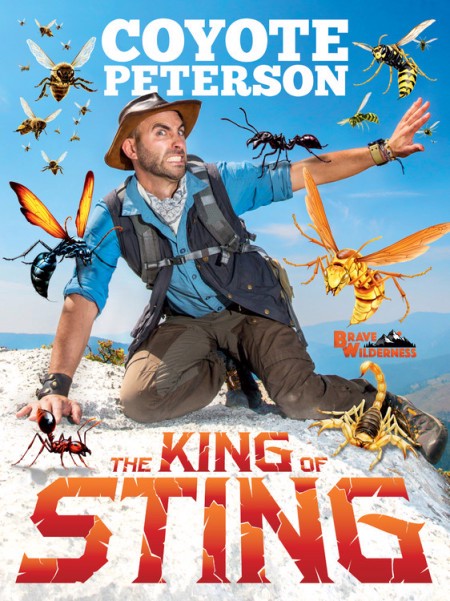
Brave Wilderness now encompasses multiple shows, merchandise and books, Coyote’s second book launched this Holiday season detailing his “King of Sting” encounters, and a third book is on the way in September 2019. Even with all this going on, Coyote and his team aren’t slowing down.

They’re currently working with Universal Pictures on Jurassic World Explorers to craft digital content for fans — a partnership that will continue through the release of Jurassic World 3  —  but the most recent announcement may be the most exciting, “We will be producing the tentpole series for Animal Planet in 2019. I’m now getting the chance to have that coveted role within Discovery Communications that Steve Irwin once had… the chance to have a show that will make myself and my team… the face of Animal Planet.”

Being able to take their brand onto a traditional network space is something Coyote was clearly excited about for the team. He was quick to point out that YouTube subscribers shouldn’t worry, “We’re not leaving YouTube behind by any means. It’s just a matter of now producing content that fits in two verticals; digital and linear television.”

It’ll be a tough balance, but Brave Wilderness is always ready for a challenge. Coyote’s love of animals and enthusiasm is infectious. It’s no surprise he’s been able to capture the interest of a new generation with his educational wildlife content. That passion is something other YouTubers should take into account when deciding to make their own channel.

Anna’s Science Magic Show Hooray! Uses the Weird and Gross to Get Kids and their Families Excited about Science.

Anna Rothschild
Anna Rothschild

Anna Rothschild works hard to bring engaging and accurate science information to YouTube.

Anna’s science-theme variety show explores topics ranging from the Hidden Science of Harry Potter to why we have butts — all in the name of making science more exciting and accessible for the next generation of explorers. We had a chance to chat with Anna and get some insight into the process and philosophy behind her channel.

Scott: What were you doing before you were producing stuff for YouTube, and how did you fall into that space?

Anna: Way back when I thought I wanted to be a scientist, I worked in a lab. I realized that I was just more interested in talking to people about what they were doing in our labs than actually moving fluids from one pipette to another pipette or one test tube to another.

I ended up getting up into science journalism, and at the same time, just watching a ton of YouTube videos. I was just like, “Man I wanna be mixing these two things. I wanna be talking to people on the internet where I’m finding this awesome community, and also talking about science and education.” That’s kind of how it happened.

Scott: How did you launch into YouTube?

Anna: I launched my first YouTube channel as the PBS show NOVA. I’d been making YouTube videos before that, but I launched my first original channel through them called Gross Science. Basically, they were interested in reaching new audiences. I was obsessed with gross stuff and was already making videos all about disgusting things. They said, “Let’s see if you can grow a channel with us.” It was a fun experience.

Gladys the puppet provides commentary and banter as Anna moves between segments. She’s also Anna’s duet partner.

Scott: What grabbed you about “gross” science specifically?

Anna: I guess my interest in science as a little kid was often spurred on by disgusting things that happened or disgusting experiments that we did in school. I remember being a little kid and dissecting owl pellets in my 6th-grade biology class. Which are basically like coughed up balls of undigested food and stuff that owls just kind of vomit out. You can see little mouse skeletons in them.

Gross stuff was really this amazing vehicle for science for me as a little kid, which is why I thought it would be a good way to explore different science topics as an adult.

Scott: The show that you’re doing now, Anna’s Science Magic Show Hooray!, right?

Anna: Yeah, exactly. I just call it Science Magic Show Hooray! these days ’cause it’s a mouthful.

Scott: How did you come up with that name? It’s very fun.

Anna: I kind of had Science Magic Show Hooray! as a placeholder name initially, because it was just a word salad of words that I thought best described the show. It’s science, it’s magical, and I wanted to have an element of “hooray” to it. Then I told my current boss, and she was like, “Oh my gosh! I love that; that’s so goofy! Let’s just go with it!”

Celebrity wrestler John Cena asks a question many may not have considered: Why do we have butts? Anna explores this over several segments covering different disciplines.

Scott: Why specifically aim for a younger audience?

Anna: I really want to create a show that can appeal to families. I’m writing it so that a kid can understand it, but I can create a family viewing experience. When I was brought on at the Washington Post, the Post really wants us to reach new audiences, including an audience of kids and their families.

I wanted to create a viewing experience where parents would watch with their kids, and parents could end up being the ambassadors of science for their kids. They can actually show the videos to their kids and that can be a starting place for them to go off and have their own adventures in science.

Scott: How did the format of the show develop?

Anna: From the very beginning, I really wanted to make kind of a science variety show, in part because as a kid, and frankly even as an adult, I was super inspired by shows like PeeWee’s Playhouse, where there was a kind of starting point, but then the show veered off into different adventures that all focused on similar themes. I think that that’s a really great way to think about science or really any sort of educational video, because there’s not always just one answer. You can address questions from a variety of different angles, and I think a variety show format is a great way to explore the different facets of the topics.

First, I just wanted to have lots of different cool art in it. I wanted to include animations, and songs, and interviews, and have it feel like a very rich experience. Those are the shows that I’ve really liked growing up, even now into my adulthood. So I thought why not make that for the YouTube audience?

Scott: Yeah, why not make the thing that I wanted to see when I was a kid?

Anna: Yeah, exactly.

Scott: That’s a good perspective. So how do you start on a new video? Do you have a bank of ideas that you schedule in advance?

Anna: I totally do have a backlog of ideas in a document that I draw from, but I also read the news every day. I’m also constantly reading new scientific papers, so I’ll get ideas from there, too. Also, sometimes, weird stuff happens in our lives, and I just have a question about something that maybe happened to me or happened to a friend of mine, so that will get added to the list, too. Recently, I did a video titled “Why Am I So Sweaty?” Sometimes, these are the important questions that we need answered.

In Why am I so sweay?, Anna answers important questions about the functions of sweat, drawing kids into science with gross facts we can all relate to.

Scott: So once you’ve locked into your idea of what you’re gonna do next, what’s the production process look like? There’s research and script writing I assume. How does that all work?

Anna: Like you said, I start out doing pretty extensive research, I read primary literature, and, for basically every episode, I’m calling scientists and fact checking with scientists because accuracy is really important to me. And obviously also, I work at the Washington Post and we want to be as accurate as possible at all times.

During the script writing process, I’m thinking about how I want to bring the different segments to life. Whether it’s done through animation, or whether it’s going out into the field and filming something in a park. I’m thinking about how I’m bringing it to life while script writing ’cause you have to have that in mind if you’re gonna make something look beautiful. Then we go film it.

Scott: Do you have a whole crew of people who help you film?

Anna: Yeah. I’m very lucky that I have people here at the Post to help me film. I do most of the editing and a lot of the animating myself, but we also have some really wonderful editors and animators here who do stuff for us, too. Some of the animations, that are like the most beautiful, are done by wonderful people on our team. It takes a village.

Scott: That’s awesome to know that you’re involved in a lot of different parts of the process.

Anna: I want it to feel very homemade and being part of each step of the way is one way to help that, bring that to life.

Scott: You mentioned storyboarding things like animations, filming a section of the video in a specific location, etc. Do you find that going to different places or just changing the visual elements of the scenery helps people to understand the topic, or helps keep people engaged?

Anna: Yeah, for sure. Whether it’s changing up locations or bringing in animations, I think that you want to give people a really rich viewing experience. Otherwise, it could end up just being an audiobook. I want to make sure that I’m giving people stuff to tickle their brains, but also their eyeballs, too.

One other thing on that note is that sometimes there are certain topics that might not necessarily be immediately interesting to a certain person, but if you include really visually interesting animations, then all of a sudden you’re bringing them into a world that maybe they would have just disregarded, but now you’ve brought in a visual element that was truly compelling. It’s another in for people.

Scott: Yeah, it sucks people in, and then they might leave being like “I never knew I wanted to know that, but now I do.”.

Anna: Exactly, “I never knew I wanted to know that.”

Scott: I remember the best comment I ever got on one of my videos was something like “This is way more interesting than it has any right to be,” and I was like, “Yes, success!”

In one of her Help Desk videos, Why do cats purr?, Anna brings in some animated visuals to help viewers engage with her topic.

Anna: I totally hear that, 100%.

Scott: What’s it been like working with the Washington Post?

Anna: It’s been really great. It’s really been awesome. When I made Gross Science, I was working mostly alone, though I have to give props to all the wonderful interns who always helped me make my videos. I was working alone, and that can be extremely isolating. It’s really wonderful to have a team of creative people who I respect working with me on a daily basis. It’s just awesome. I’m very grateful for that. Plus, I’m in a newsroom with the smartest people all day. Sometimes I walk down the hall, and I’m like “Oh my goodness, you guys are superstars!”

Scott: What advice would you give to other science education YouTube channels out there?

Anna: I just have a few things to say. First of all, I think those people are often aspirational learners. People always say don’t talk down to kids when you’re making an educational video, but I think that’s true of everyone regardless of what age you’re trying to shoot for. Remember that people want to learn, maybe even a little more than is necessarily meant for their “grade level.” Give people a little bit more that’s tantalizing so there’s something they can aspire to.

That doesn’t mean that you should be using giant words. Remember you should keep the language simple. You can talk about a deeply complex topic, as long as you use words that the audience that you’re targeting can understand. Remember people are smart, they just might not have the vocabulary that you have to talk about the subject.

Then I guess the last thing I would say is if you want to make videos, and you’re worried about your own artistic skills, don’t be. When I started making videos I didn’t have any sort of artistic background at all, and now I animate as a huge part of my job. I really taught myself how to do it. I don’t want to pretend like I’m the most wonderful animator in the world. I look at people, even here at the Post, who are wonderfully trained animators. Don’t let your lack of a background in art be a barrier to trying. Once you try, you’ll find that you can do way more than you ever thought you could.

Anna Rothschild
Anna Rothschild

Scott: I really like the idea of keeping the language simple, because I do think that there is a draw to — if you’re an educational channel—to present yourself as very smart and studied; using big words to gain credibility, in a sense. Like, “Yes, I know this stuff, and I can prove it ’cause I know this word!” But I think there is something about being able to explain complex subjects in a simple manner.

Anna: I’m sure that there are certain audiences out there that you can target that will want that much more complex language, but you really have to think about who is the audience that I’m making a video for? Target your language to match that audience. That doesn’t mean you can’t have a really complex topic.

I was talking to a woman the other day who was telling me that her eight-year-old is all obsessed with CRISPR, the gene editing technology, and I was like “Oh my goodness, an eight-year-old is interested in CRISPR? How does an eight-year-old even know about CRISPR?”, but as long as you can find a way into a story … You can tell the eight-year-old that story, you just need to address the vocabulary a little bit.

Scott: Yeah, absolutely. I think it helps that CRISPR is just a fun word to say, too.

Anna Rothschild
Anna Rothschild

Anna: Oh, 100%. Also, it’s totally something out of science fiction in a very fascinating way.

Scott: This is maybe kind of a loaded question, but would you consider yourself a “YouTuber?” I know some people just say “I just upload videos to YouTube. I’m not a YouTuber.”

Youtube isn’t just a platform for uploading videos; it’s also a social network.

Anna: Oh, I definitely consider myself a YouTuber. One of the things with Gross Science that was the reason that I loved making the videos was I felt like I developed a big community of people who I got to hang out with every week. I know that sounds really cheesy, but I mean it completely, wholeheartedly.

I knew the people who were going to comment on every video and I loved the conversations that I had with them. I made friends on YouTube with those people. I feel that way … I feel like the show that I’m making, I want to build that same kind of community. I want it to feel like this is a show for the audience, but also they are collaborators in the show.

I think that people forget that YouTube isn’t just a platform for uploading videos, it’s also a social network, and you can build real relationships and friendships on there. I want my audience to actually feel like they’re part of every episode of the show.

RyanCelsius° Sounds taps into personal experience to deliver emotionally resonant mixtapes

Ryancelcius Sounds

We had a chance to chat with underground music curator and video artist Ryan Celsius to dig into the vision behind his popular mixtapes.

When you tune into the live stream that runs 24/7 on RyanCelsius° Sounds, you’re likely to find yourself on a bus racing its way through a tunnel in the mountains of Japan. Or, you might be floating through the crowded streets of an urban New Year’s celebration. Other times, you might encounter any number of other strange sights drawn from both well-known and obscure sources.

No matter what’s on screen, you can be sure it will perfectly match the accompanying music track, which usually consists of remixed hip hop classics, new tracks from underground artists and samples from iconic movies and television.

Keep watching, and you’ll notice the chat is populated with enthusiastic discussions surrounding anything from music, to movies, to job satisfaction to heartbreak. The unique combination of music and visuals draws in a diverse audience, and real-time chat, both on the YouTube stream and in the Ryan Celsius Discord server, keep the community tightly connected.

And when Ryan himself hops into chat, the reactions from viewers make it clear that he is at the center of it all.

Who is Ryan Celsius?

#1 Youtube PHONK Overlord, SAD GOD, TRAP SAVANT Dark Passenger, Aesthetic Deity, Soul Physician, WAVE PRODIGY — Ryan Celsius is an underground music curator who creates mixtapes and music videos on YouTube. “For me, the channel was always about creating unofficial or official music videos and promoting artists with that,” Ryan explains, “I really wanted to offer something to the independent artists that I loved that would make sense aesthetically with their sound.”

This fusion between music and visuals is at the core of Ryan’s vision for the channel. He wants his uploads to serve as a counterpoint to the way the mainstream music industry handles music video production. “It often frustrated me that most music videos seemed to be an afterthought,” says Ryan, “especially in the mainstream; to me the audio and the video are inseparable and the approach to an artist’s project should be similar to scoring a film.”

“Most trends look like they were created by Facebook ad-targeting, mainly because they exactly are.”

In Ryan’s view, there isn’t enough care and attention to detail happening in today’s music industry. He blames the problem on the increased demand for new music thanks to algorithm-driven content distribution: “With the current music-on-demand algorithm curation meta that is happening now with popular music platforms (Spotify, etc.) and really fast content schedules, the majority of people are being blasted with music and style aesthetic that is largely contrived.”

The rush to put out more and more content to satiate the ever-growing appetite of the internet machine means thoughtfulness and intentionality are often sacrificed in favor of empty tropes and cookie-cutter stylization. As Ryan puts it, “Most trends look like they were created by Facebook ad-targeting, mainly because they exactly are.”

Because Ryan Celsius is an individual, not an organization, he is able to focus on what is meaningful to him, imbuing his mixes with emotional context lacking in more profit-oriented efforts. “I think the idea of a music video blog is more interesting if it is told from the standpoint of single person, and not a brand,” says Ryan, “This ideology is obviously less profitable and limits the speed of growth of the channel or community or whatever. But while I enjoy all the support and my subscribers, my primary motivation and audience has always been myself.”

While it’s true that refusing to chase the algorithm puts his channel at a disadvantage, this philosophy also ensures his channel always feels authentic and relatable — as his YouTube bio explains, he’s “not a Record Label or a Company or a Collective, just a guy who loves new music.”

Get on the bus

The foundation of Ryan’s channel is the bus footage featured in many of his mixes but especially prominent in his early Journey through J^P^N and Trappin in Japan series. Often sped up but otherwise unedited, the bus footage is mesmerizing in its banality as it transports viewers from bus stops through city streets and into the countryside.

The idea to pair this footage with music came up naturally for Ryan, who had worked as a bus driver for many years. “When it comes to the bus footage, watching it with music in the background was something I had always done for years. It made me nostalgic for the days when I was a bus driver and would need to build some good playlists to have on in the background while I drove long shifts.”

From there it was an easy jump to editing the footage together with music: “When I started listening to a great lofi producer, j^p^n , that is when I first had the idea to actually edit together bus footage with lofi hip hop in Japan as part of a project called ‘Journey through J^P^N’ which would be his whole discography synced and set to travels through Japanese countrysides.”

More than just pretty footage

In addition to the bus footage, mixes feature footage from a variety of sources, including submissions, images in the public domain and collaborations with other channels. Ryan’s work borrows tropes from experimental filmmaking and artist’s film and video. The hour-long bus rides through Japan, for instance, hearken back to art projects like Andy Warhol’s “Sleep” or “Empire,” which show uninterrupted views of things people normally ignore or take for granted. Nothing really happens in these clips, but the fusion of music and images tells subtle emotional stories, taking viewers on a journey both literal and figurative.

Unlike much of mainstream media, the visuals in Ryan’s mixes don’t try to fracture your attention. Clips that seem to loop endlessly and uninterrupted bus rides through the Japanese countryside let you sink deeper into the mixes, inducing a more contemplative state than your average music video.

The clips you see and hear are always familiar, but out of their original context, they can be hard to place. This breakdown and recombination is what allows for new connections and emotions to flow throughout the mixes. Rather than a repackaging of existing content, Ryan produces entirely new works from these recycled pieces.

Images courtesy of Rambalac

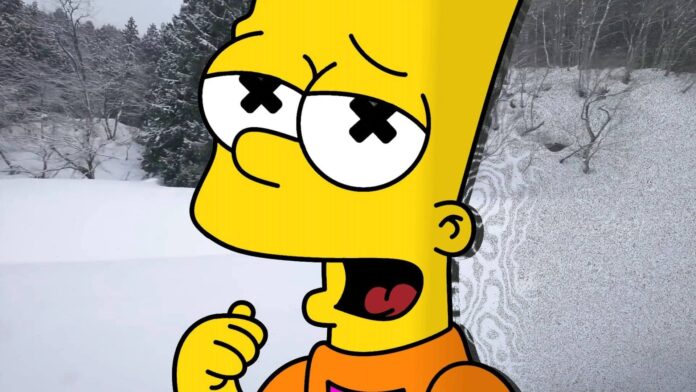
In Trappin in Japan 13, for instance, the camera follows a crowd of festival attendees as they make their way up to an overlook where we watch some fireworks in an unedited clip that lasts nearly an hour. The only interruption is a pair of semi-transparent overlays showing a distorted version of some mash-up Simpsons-Akira fan art followed by the old Dreamcast loading screen. The rest of the mix features flowing slow-motion footage of the crowd, colorful food stands and the slightly over-exposed glow of fireworks in the background.

Near the end of the tape, the visuals get even more dreamy. A cross-dissolve sends us backward through time as the footage starts to run in reverse. Reminiscent of the reversed waves in Maya Deren’s “At Land,” watching fireworks fade in rather than out is equally beautiful and disorienting. All of this gives the visuals an immersive quality, as if you’re pulling these images out of your own memory bank.

Finding new music

In order for the mixes to work, all of these visuals need to be in line with the aesthetic of the music they’re paired with. In a landscape flooded with new tracks that may or may not be worth your time, there is a desperate need for curation. If you like lo-fi, vaporwave, trap remixes, chillwave, Simpsonwave or the experimental subgenres developed from these, Ryan Celsius will guide you to new music you didn’t even know you wanted to hear.

Ryan takes on the hard work of sifting through mediocre music to uncover the hidden gems — he spends at least 2 hours each day digging through SoundCloud and Bandcamp and listening to submissions: “The qualities I look for depend on my mood or what I want to express in a project, but in general I look for music that inspires a specific emotion strongly and offers something new or interesting to the genre it represents.”

Narrative of Emotion

The emotional impact of Ryan’s mixes relies, at least in part, on his personal connection to his work. “What I upload is usually a reflection of how I feel at a given time. When I was deeply depressed, I created HIGH ALONE and chose tracks to convey those feelings as accurately as possible, as an example.”

While he produces all his mixes with emotional resonance in mind, Ryan admits that some mixes are more accessible than others: “I think Trappin in Japan is easily the most enjoyed by listeners. The mixes are really versatile in the sense that you can enjoy them in many different situations; at a party, chillin alone, getting high and vibing out, not getting high and vibing out, working out at the gym, etc.”

As for Ryan’s own tastes, he tends to favor more dramatic fare: “My personal favorites are the SADTRAP and DARK TRAP mixes as well as the TRIPPY mix series because they are much more theatrical, atmospheric, and tell more complex stories.”

In any case, the visuals and overall mood of the mix need to be in line with the tracks that are included: “I think the visuals and actual thought around how visuals meld with the music and subsequently create overall style is extremely important, specifically right now where most people are just trying to quickly put out what can get the most clicks at a given time.”

Rather than worry about metrics, Ryan recognizes that his audience is made up of people looking for ways to process their own memories and experiences:

“I think people want music that they can hear and will transport them to the mindstate they had when they first heard the track or samples used within the track,” Ryan says, “It’s a very personal emotional nostalgia that I want people to be taken in by.”

Going live and growing the community

“I was not trying to promote myself as a brand or a large group,” Ryan recalls, “I’m very happy that the community evolved organically and people within the community have been inspired to create things for the channel.”

Ryan believes starting up the live stream in 2017 had a direct impact on the growth of the channel and the surrounding community. He goes on to credit the live stream with the “creation of a community around the channel that … would not exist otherwise.”

Now that a community has been established, Ryan brings in new subscribers through outreach on other social media networks and collaborations with other channels. He’s also active on Instagram and SoundCloud, but uses them mostly to discover and contact new artists: “Without IG and SoundCloud, it would be simply too difficult to interact with most people for collaborations.”

Overall though, Ryan takes a casual attitude to the channel’s growth, focusing on staying true to his own tastes rather than what’s trending: “I only want to create and promote things that I want to see or hear, despite what other people expect or want. I did not really expect the channel to grow as much as it has, but I am very appreciative that it did.”

Logistics

The process of producing each mix is quite involved, but some mixes require even more time and attention. “Some mixes are definitely more involved than others and require different effort,” Ryan explains, “For example, a majority of the time for something like the Trappin in Japan series is talking to artists/producers that are contributing, getting permission for external footage, mixing/re-mastering audio from producers, and curating the mix so that it sounds consistent front to back while staying fresh.”

While the production of a Trappin in Japan mix is relatively straightforward, other mixes require a more nuanced approach. “With something like the DARKTRAP.MP4 or SADTRAP.MP4 series, these are much more involved. For those I usually storyboard out the main themes and points for the whole video, then break that down into individual storyboards for each video for a track within the mix; this can take months or weeks in addition to the countless hours actually editing and executing the videos.”

The stories crafted in each mix may not be obvious, but this planning and attention to detail help each track in a mix flow smoothly into the next without interrupting the emotional tone of the mix overall:

“Even though most people will not notice or observe the story elements and most of the easter eggs from the editing, I think it provides great depth and replay value to each mix.”

While Ryan does most of the creative work, he does have help when it comes to community management: “I have around 20+ moderators who manage the community on both YouTube and Discord. The Discord moderators and contributors play the biggest role in helping build the community and also function as a level of early reviewers. I usually push out early versions of mixes to people on Discord first to get their thoughts on creative elements that I am not 100% comfortable with in a mix or project.”

Though Ryan takes charge of the final edit, he still considers his work a group effort: “Without the incredible work of other producers/artists/visual artists that I select per project, it would not be possible.”

Legalities

Ryan also spends time clearing copyrights for all his mixes: “For more mainstream content owned by large studios or record labels their policies are effectively random, and it’s difficult to get permission or even pay to use footage and tracks.”

Navigating copyright law is often more complex when dealing with independent artists and other YouTubers: ”They would at some point later get signed to a major record label and that label would retroactively block or copyright videos from people that promoted earlier works,” Ryan explains. “An example of this is $uicideBoy$, a popular group in the underground that was promoted a lot by YouTube channels in 2016 — now, at some point last year their independent label became affiliated with Universal Music Group. After this happened, a portion of their discography was automatically blocked worldwide, so any videos containing those tracks were subsequently blocked or copyright striked.” It’s an ongoing problem that many YouTubers can relate to.

What’s next?

Despite the enormous effort needed to produce each new mix, Ryan promises more experimentation and innovation to come, saying that “the visual themes will definitely evolve along with the music and my own experience.”

While Ryan doesn’t give any firm predictions about what we can expect from the channel in the coming months and years, he does plan to lean into the narrative and emotional elements of his mixes: “I think the ultimate goal is to create more and more immersive experiences to the point where each project is like a self-contained movie or a movie series, that is able to convey a wide range of moods and narratives.”

Outside of the YouTube channel, Ryan says we can expect to hear more of his own music in the future: “I’ve been producing since 2006, but I keep most of my projects completely separate and under different names. Only recently have I started producing more in ways that people will sometimes directly link back to ‘Ryan Celsius.’ In the near future I will be focusing more on completely independent albums as myself, but until then I will remain in the shadows.”

Well. There goes BuzzFeed

By now, most everyone with an internet connection has heard that BuzzFeed has gone through some major layoffs in the past months. Roughly 15% of the people who worked to make some of the most recognizable and widespread content out there have lost their jobs along with all of the work that they put into their videos over the years.

The recent Buzzfeed layoffs have been described by both those within and outside the company as unfair, immoral and wrong. They provide strong evidence of the need for digital creators to unionize, which they since have made strides towards. The employees let go from BuzzFeed and the circumstances surrounding their departure make for an indisputably depressing story, but it also speaks volumes about a much broader subject: the relationship between content and creator.

One of the most alluring things about YouTube to a creator is the independence it offers. Those looking to work on creative new projects don’t have to worry about reporting to anyone, following anyone else’s guidelines or ever not being in total control of their own content. For years, creators have cited this as one of the highlights of pursuing YouTube as a creative industry instead of more mainstream outlets like television or film.

BuzzFeed has now set a dangerous precedent that undermines this creative control entirely.

Despite how you may feel about the content that BuzzFeed puts out, there is no denying its popularity. With millions of subscribers over more than a dozen distinct channels, the massive media company has one of the largest platforms out there. Subsequently, it has become intensely appealing to anyone looking to make it big in the field. Creators around the world would jump at the chance for a position at BuzzFeed in the hopes of making content under the BuzzFeed brand.

However, as soon as someone signs on, anything they make no longer belongs to the creator; it now belongs to BuzzFeed.

The practice of signing off intellectual property to a company you’re working for is by no means a new one, or even inherently problematic. If you work for a video game developer, and you work to develop a video game as part of the job, that’s going to belong to the developer, not to you. That’s about as far as an analogy will go, though, thanks to the definitively personal aspects of the content that has been signed off to BuzzFeed from their creators.

BuzzFeed is known for its whimsical quizzes and click-baity listicles, but it has also become so much more. The video producers there have created moving pieces about personal struggles with deep meanings, anecdotes and advice and have even developed entirely new techniques that revolutionized the digital media industry. Top-down text-based cooking tutorials? That internet staple was the brainchild of a BuzzFeed employee. A former BuzzFeed employee.

Similarly, all of this content that was so distinctly tied to the creators is property of the company itself, and BuzzFeed is continuing to profit off of these works even after brutally severing the people who brought them to life. Even after being let go, some producers are still appearing in backlogged videos, allowing the company to rake in the views and ad money from the personal works of their ex-employees. Series that were pioneered by creators no longer at BuzzFeed have continued on with new cast members, while the people who made these projects possible are entirely separated from what they worked so hard to cultivate.

BuzzFeed laying off their creators while retaining the rights to their work and even working to further the projects of ex-employees sends a dangerous message to those remaining in the company and all hopeful digital content producers out there: If they look to a massive company to further their career, they run the risk of losing it all at the whims of an emotionless corporation. Digital media is still a veritable Wild West, but measures need to be put in place to protect creators and their rights to their own work. It’s simply unethical and unfathomable for a company to send the people who made their success possible into unemployment while still profiting, in perpetuity, from the ground they’ve laid.

Digital media is still a veritable Wild West, but measures need to be put in place to protect creators and their rights to their own work. It’s simply unethical and unfathomable for a company to send the people who made their success possible into unemployment while still profiting, in perpetuity, from the ground they’ve laid.

Election Prediction: Conspiracy Edition

How would you feel if I told you that I already know who you’ll be voting for in the upcoming presidential election? Maybe that one’s not so hard — but what about the election after that, and then the one after that. In fact, I know who you’ll be voting for in every election for the rest of your life.

It’s not that hard to figure out — if you’ve been keeping up with the times.

It all started with a simple trend — an app, a feature, a “new function.” Maybe it was Siri, or Alexa, or Cortana. It was AI. More specifically, voice-activated AI that listens, responds and learns.

AI started integrating into our world a few years ago. It started out as a ‘personal assistant’ — telling us if it was going to rain, helping set our schedules, finding us the fastest route to work. AI was learning about us.

Soon, AI began taking on larger roles in our lives, making orders from online retailers, operating driver-less cars, and even co-starring in romance movies opposite Joaquin Phoenix. Did we actually believe it would stop there?
 
Now that AI has delved into the depths of the modern human psyche, it’s ready to strike at any minute. But our new overlords won’t be evil robotic Arnold Schwarzenegger look-alikes sent by Skynet. They’ll be much more subtle. Our destruction will come with a smiling face and soothing words that will slip in right under our noses.

Recently, the Xinhua News Agency in China unveiled the world’s first AI news anchors. These AI TV personalities are made to look and sound like real people. While these models are a bit rough around the edges, it’s only a matter of time before they’re seamless, and viewers will have no way of knowing when they’re hearing from a human, or from an amorphous digital intelligence. 
 
And that brings me to the point at hand.

We are only a few years away from every ‘person’ we see on screen being a simple CGI overlay used by powerful, nearly omniscient AI.

Every star of every movie, every athlete, and even, you guessed it — even politicians.

The AI has all the market research it needs; it knows us inside and out. The millions that political campaigns spend on demographics and market research aren’t needed anymore. The data that used to be collected over a span of months by an army of canvassers, pollsters and campaign volunteers can now be pulled together in nanoseconds by powerful programming. Human politicians simply won’t be able to compete. The computers will target each and every voter and tell the well-meaning citizens exactly what they, as individuals, want to hear in order to support the AI candidate.

When we add onto this the inherent threat of Deep-Fakes, which I uncovered not too long ago, you have a truly terrifying scheme. Not only could there be new AI, but now we have the potential for anyone you’ve seen on screen to be a digital person, replicated with a deep-fake skin over an AI intelligence.

We have the technology; how would we ever know it’s happened?

Maybe it already has.

Missteps in the evolution of performative gaming: Outpost Games’ SOS

Ninja helped propel Fortnite to the top of the gaming charts.

The gaming community, and streamers in particular, have more influence than ever when it comes to game development — both over individual titles and over the direction of the gaming industry as a whole. But can a game built to be watched also be fun to play for the average gamer?

Game developers have realized that it’s the community that keeps games alive; they need to continually nurture and engage with that community for their game to succeed. “Game studio roles that didn’t exist previously, such as community manager, are as important today as game designers were ten years ago,” head of developer relations for Amazon’s Lumberyard game engine Garnett Lee told gamesindustry.biz.

Knowing the value of community, developers can do no greater service to the success of their game than to get it into the hands of a popular Twitch streamer or YouTube gamer. These pro gamers aren’t just excellent beta testers. Online creators on Twitch and YouTube have enormous influence over their audience, and by extension, game sales. With their vast and loyal audiences, streamers and vloggers have a direct impact on how popular a game becomes. Excited streamers show off gameplay to excited fans in a hype-feedback loop until we have another Fortnite situation on our hands and every studio in the industry is trying to figure out whether or not they can build a battle royale game fast enough to catch the trend.

If Ninja is having a good time — or putting on a good show — while trying out a new game on a stream, his audience is likely to give it a shot as well. If not? Well, good luck to those developers.

This relationship benefits both parties. For streamers and vloggers, new games mean new content — just what they need to keep the wheels of their creator career turning. And streamers especially value games that lead to entertaining content — the more engaged the viewer, the higher the watch time and the more revenue that streamer can collect.

In response to this evolution, game engines, including Amazon Lumberyard, are now being built with features designed specifically to support streaming and social interaction. With these new tools, developers will no longer have to rebuild the same social features for each new title. Features like chat-triggered game commands and enhanced metadata displays will be available from the earliest stages of game development, allowing for tighter integration.

Performative gaming — i.e., playing a game for an audience — is now a staple genre for Twitch and YouTube viewers. It’s obvious why developers want to cater more directly to this trend. But what happens when streamers and developers start to prioritize the show over the actual gameplay?

Earlier this year, Outpost Games released their debut title, SOS, and the corresponding Hero platform for stream hosting. The game was envisioned as a mash-up survival game/show that pit players against each other as the audience watches and reacts — with potential in-game consequences.

Outpost wanted SOS to be “as fun to watch as it is to play,” according to studio CEO and co-founder Wright Bagwell. “We formed Outpost Games with the mission to turn every player into a performer, and every game into a stage.” The game is built explicitly for role play and performance, with the presence of an audience factored into the core mechanics of the game.

Not every player is — or wants to be — a performer.

But while some gamers love being the center of attention, there are plenty more who would rather avoid the spotlight. That might be why, on November 12th, 2018, Outpost Games officially shut SOS down.

While streaming is an important part of the gaming ecosystem today, developers need to also recognize that not every player is — or wants to be — a performer. Outpost may have missed the mark with SOS, but streaming and performative gaming will continue to wield influence over the evolution of gaming.

Advertisement
Advertisement
communal
communal