Home Blog Page 149

Understanding YouTube Analytics

Apart from basic, easily visible responses to your videos, such as views and subscriber count, there are plenty of other ways to see how your channel is doing. YouTube’s new Creator Studio and analytics might be a bit confusing to navigate at first glance, let alone interpret in concrete ways, so let’s go over some of the numbers and what they mean for you.

Where to go

First things first, let’s get on the same page here. To find your YouTube analytics, you can either go to your channel page and click the blue “Creator’s Studio” button, or you can click on your channel icon in the top right corner on any YouTube page and select “Creator’s Studio” from the drop-down list. This will bring you to your Channel Dashboard.

The first thing you’ll see is your most recent upload accompanied by its basic stats. This will include this video’s rank compared to your other recent uploads, its watch time, views and average view duration. We’ll get into each of those in more detail later.

On the right is a box labeled Channel Analytics. This is a very concise overview displaying your subscriber count, your total watch time and views, and how each of those have increased or decreased over a select period of time. Below that are your top videos and their recent view counts.

Alright, now that we’re on the main page, let’s dive in. On the left of the screen is a vertical sidebar with different categories. Each is essential in understanding your channel, but we’ll be focusing on the analytics tab — the icon looks like a bar graph. Once you click on it, a graph will take up the center of the screen, with several tabs on top.

Each tab will have a box of your Top Videos. These may be different depending on which tab you’re in. For instance, one video may have more views, but another has more watch time. The graphs will automatically show data for the past 28 days, but you can change the time period using the drop-down list in the top right corner. Now, there’s a lot of information that’ll show up all at once, so let’s break it down piece by piece.

Reach viewers

This tab shows “Impressions” — that is, how many times your videos have been shown across YouTube in sub boxes, recommended on other videos, and on people’s home pages. The sub-tab “Impressions click-through rate” shows the percentage of people who clicked on those videos out of the total number of Impressions.

The Analytics tab in the Creator Studio gives you a solid overview of your channel and your most important stats.

The next two tabs, “Views” and “Unique viewers,” tell you the total number of views for the selected time period, followed by the estimated number of viewers. In other words, if one viewer watches multiple videos, all their views are represented in the Views tab, while they’ll only show up as one person under Unique viewers.

If your view count is far higher than your unique viewers, that means you’re engaging you viewers enough for them to watch more than one video, but it can also mean you’re not drawing in a lot of new viewers. If your view count is in close proximity to your unique viewer count, it’s likely the majority of people coming to your channel leave after one video. It’s a delicate balance between creating content your subscribers will enjoy and content that will bring in new people.

Beneath the graph on the left is a series of boxes with information about where people encounter your videos. “Traffic source types” and “Traffic source: External” give you the percentage of viewers who come to your video from each particular source, as well as a breakdown of the external (off-YouTube) locations where viewers found your video. This helps you find out where your content is being shown and why — it’s a great way to see not only what others think, but also what other content is related to your own.

Farther down is “Traffic source: Suggested videos,” where you’ll see the videos that suggest yours in the recommended section. Under that is a box showing the playlists through which people have found your content.
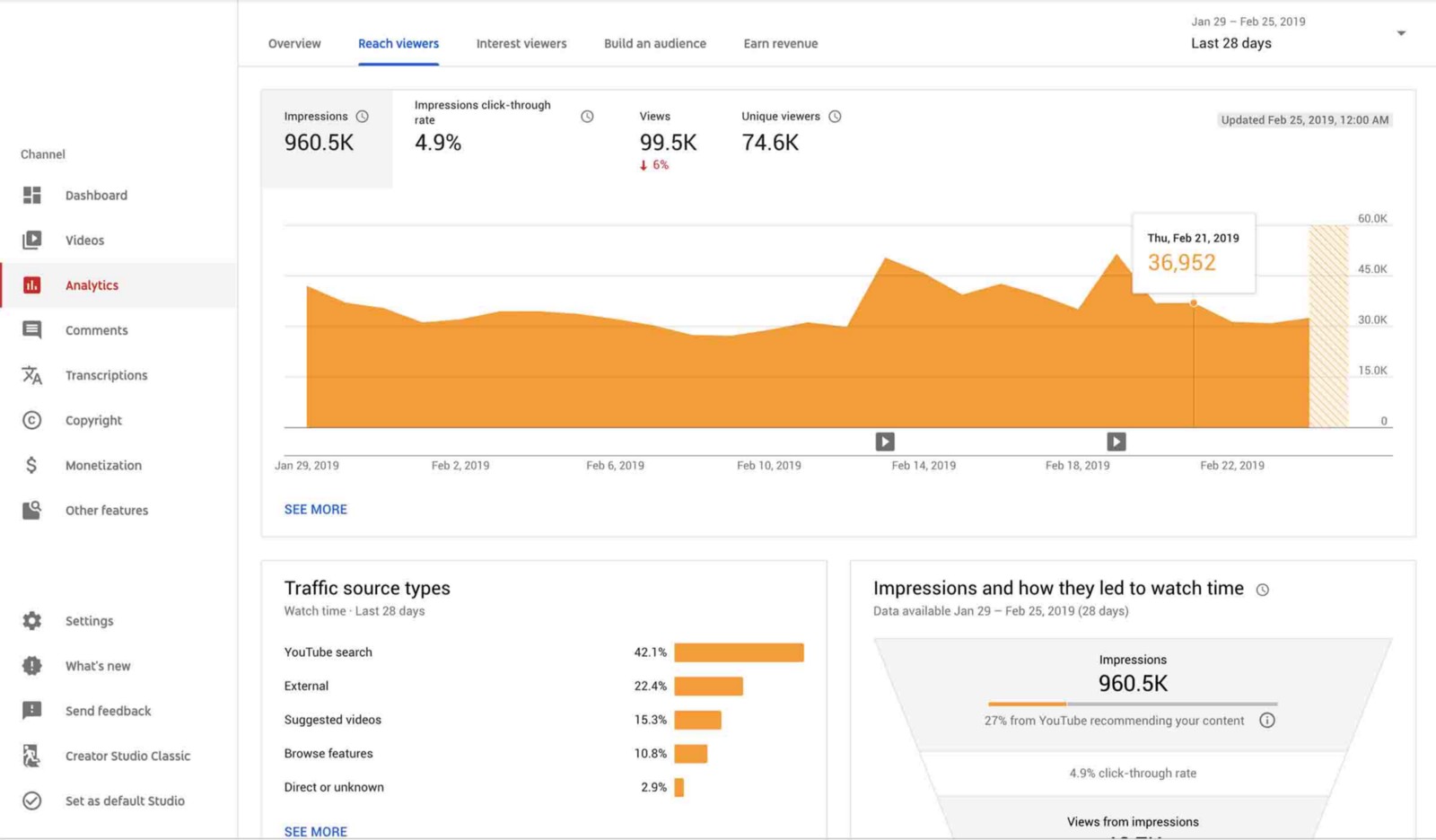
Impressions refers to the number of times your video was presented to potential viewers in places like the home page or recommended videos.

To the right is yet another box labeled “Traffic source: Youtube,” which lists the most common YouTube searches that have led people to your channel. These will often be similar to keywords and phrases you’ve put in your titles, tags, and descriptions. Side note: always use tags and descriptions! These are vital to your videos showing up in more search results.

Looking through this data can tell you how viewers are finding your content and where it gets the most shares. Digging in a bit deeper, you can make a hypothesis about why and how viewers are engaging with your videos. Are they being discussed? Critiqued? Used as sources? If your video is shared on Reddit, for instance, go see what people are saying about it. Whether positive or negative, the reactions and discussions provide extremely helpful feedback.

Interest viewers

This section shows exactly what it sounds like: how interested your viewers are in your content. The two main elements of this tab are watch time and view duration.

Watch Time

The watch time graph shows how much time, in minutes, your videos have gotten total over the period of time you selected. The aggregate amount will show up beneath the “Watch time (minutes)” tab at the top. Move your mouse along the graph to highlight certain days and see the estimated number of minutes your channel has gotten total across all your videos and views for that day. This is an essential metric to keep track of, especially if you want to become or remain monetized. 4,000 hours of total watch time over the past year is now required in order for your channel to remain monetized, as of January 2018.

View Duration

Similar to watch time, your average view duration shows how long each individual viewer spends watching one of your videos. This tells the algorithm whether your videos are clickbait and clicked off of quickly, or if they retain interest for longer amounts of time. It also tells you which of your videos are entertaining enough that people will stick around to watch the whole thing, and which ones lose the viewer’s interest. By searching for view duration for specific videos, you can also see which points in time during the video people tend to click off. If there’s a nosedive in watch time halfway through, go re-watch that video and see if there is an obvious reason people left at that part in particular.

Build an audience

This tab is all about demographics. In other words, this section shows you the kind of person most likely to be watching your videos. Here you’ll find: your channel’s watch time by subscribed vs unsubscribed viewers, the top countries from which your videos are being watched, the subtitles used, languages spoken by viewers, the most common age of your viewers and viewers’ genders.
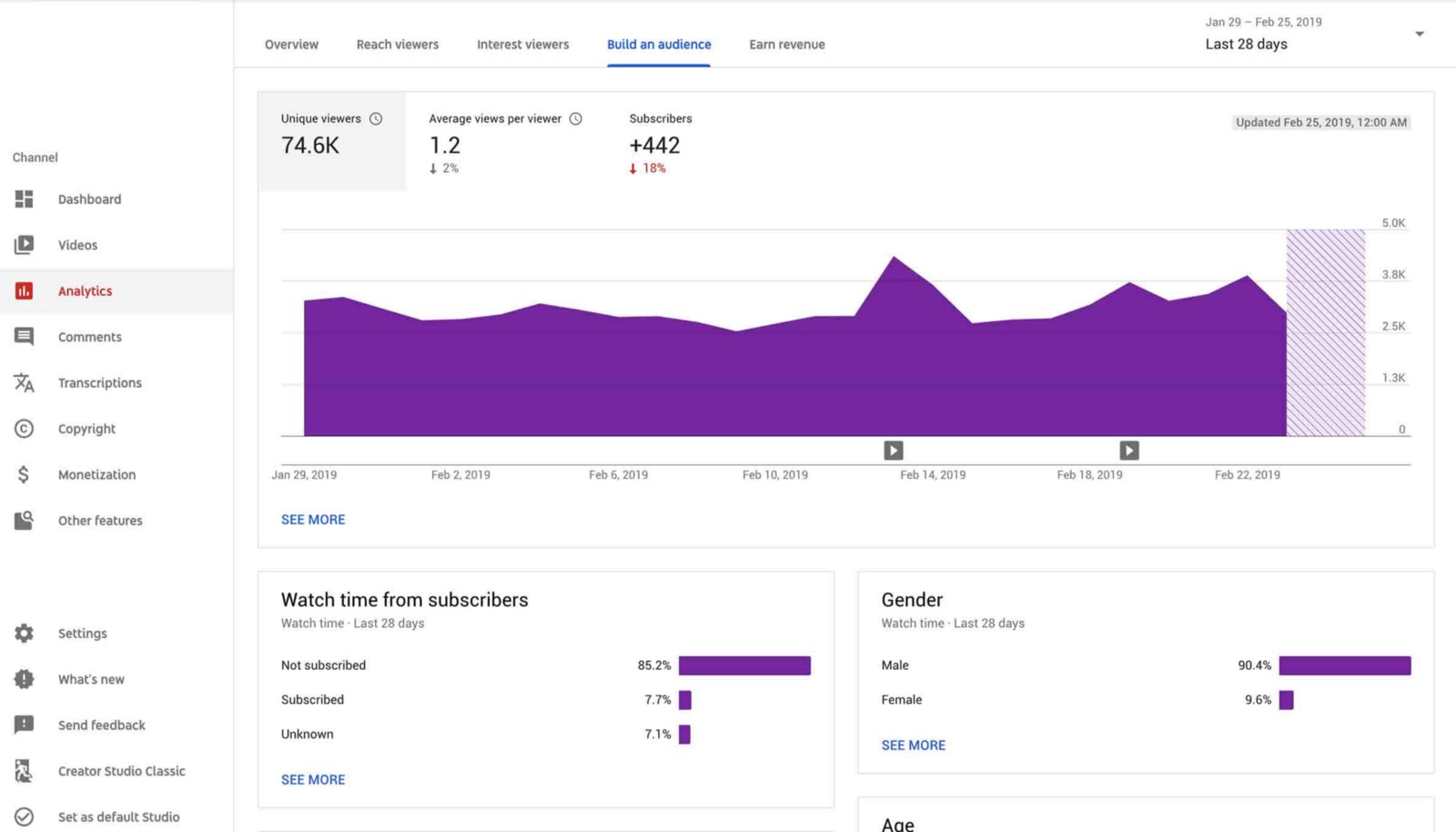
The Build an audience tab helps you understand who is watching your videos, from where and for how long.

While good information to look over, it’s not always reliable. For example, people on YouTube often watch from others’ accounts, aren’t logged in at all, or have an inaccurate age or location. Also, the gender metric is unreliable and binary, and not all viewers’ demographics are shown or enabled. Even so, being aware of these approximations can help you understand your audience a little better.

Other information

Outside of the YouTube analytics page, YouTube Studio offers plenty more information about your channel’s health. Clicking on the “Videos” tab on the sidebar will show you stats for each of your videos individually.

Keep comments enable on your videos unless you have a good reason to turn them off. They are a great source of audience feedback.

Comments

The “Comments” tab on the sidebar shows all the comments on your channel, which you can sort through by video. This is probably the best way to analyze and understand direct feedback from the viewers themselves rather than raw numbers. The relationship between your number of views, likes, and comments says a lot about viewer engagement, and engagement is one of the most important aspects of building a successful and fulfilling channel with a loyal audience.

It’s best to leave comments and likes enabled for all your videos, and you should also keep your sub count public. It’s been shown to make viewers feel more directly involved and aware of the other people watching. Fostering a healthy, supportive community is the best way to gain feedback and learn how to improve as a creator.

Are your view counts much higher than your comments? Think about how you can make your content more interactive and start a conversation.

Likes and Dislikes

YouTube also lets you see your like-to-dislike ratio for each video, which can tell you a lot about how that video was received. Compare your likes and views. How engaged is your audience? If you have way more views than likes or comments, it could indicate that the video is offering people something the rest of your channel isn’t.

Do you have a lot of dislikes but the comments are mostly positive? It’s likely viewers got a bad impression from the start of your video, disliked it, and left, while those who watched more enjoyed it more. Find ways to include your message and hook earlier on.

Endscreen stats

Card and endscreen stats can give you an idea of which of your links are being clicked, how often, and where they lead. Check out the Community Tab if you make posts there — it may have comments or simply show your text posts and polls.

Shares

Don’t neglect the Shares either! These’ll tell you where your content is being shared, which can lead you to external sites full of reactions to your videos you wouldn’t have seen otherwise. I had one of my videos shared to a site specifically for videos of people getting slapped with various objects, so… you never know what you may find!

Making sense of the numbers

There you have it! That should be enough to help you wade through the murky waters of YouTube analytics to find out how your channel’s doing. With most of these categories, there is a “see more” option that will give you more detail, but these are the basics needed in order to navigate the numbers.

Keeping track of these stats periodically and being aware of how they can change over time will do wonders in helping you understand your channel and your audience.

9 Must-read Books from Your Favorite YouTube Creators

YouTubers taking to written media has become more and more common over the years. While this movement has led some creators to pump out some overall okay works with their name on it for a quick buck, others have found natural, organic ways to grow their specific brand of content and translate it into the written word. This has resulted in some fantastic pieces of literature that feel like extensions of some already wonderful people.

These are their stories:

Selp-Helf by Colleen Ballinger

Colleen Ballinger is a woman of many faces, but arguably her most notorious is that of Miranda Sings. Miranda’s channel features Miranda, being Miranda, doing Miranda things, such as being as confident and entertaining as she is oblivious and talentless. With her book, “Selp-Helf,” Miranda seeks to impart on readers everywhere what they can do to be more like her, as we all aspire to be. With this satirical spin on the self-help genre, Ballinger doles out the laughs while helping readers come to terms with the harsh truths of life, like the fact that a well-done cateye look is fine, but you need whiskers to really pull it off.

Miranda Sings videos put the spotlight on her and her wacky ways, but “Selp-Helf” brings it all together in one solid book that readers can dig into and enjoy at their own pace as they make the transformation they have been waiting on for so long.

Nerdy Nummies by Rosanna Pansino

There is little that needs to be said about Rosanna Pansino that can’t be gathered from a quick scroll through her uploads: she’s nerdy, she’s a top-notch cook and she’s a pint-sized pack of adorable. Her channel, Nerdy Nummies, highlights techniques, recipes and even spins on classics that can help viewers make their own fun, festive and geeky food to blow away their friends.

Pansino’s book by the same name brings all of that and more directly into the kitchen, so readers can enjoy recipes, both old and new, in a clear and concise manner. A cookbook tends to be easier to parse than a video, but anyone who picks up a copy of “Nerdy Nummies” is in for much more than an average cookbook. Pansino packs all of her enthusiasm and humor in between the covers here, helping readers not only to make D-20 cookies, apple pi or robot brownie pops, but to also have a fun time doing it. The books transforms her signature content into something not only entertaining but practical as well.

The Book of Mythicality by Rhett and Link

Rhett and Link’s show, Good Mythical Morning, is more or less a variety talk show with strong emphasis on the variety. They have been known to make videos on weird psychology experiments, the best dance moves to avoid getting mugged and everything in between, all while preaching a message of being one’s mythical best to their millions of viewers. Their book, “Rhett and Link’s Book of Mythicality: A Field Guide to Curiosity, Creativity, and Tomfoolery,” pushes that philosophy even further. Amid bits of trivia, personal anecdotes and their trademark comedy, Rhett and Link offer readers direct advice on ways for them to take the reins of their lives and turn towards mythicality.

Within the pages of this tome, readers are given the mission to eat something that scares them, recommendations for making bold hair choices and instructions on how to speak at their own funerals. Rhett and Link use this book to put their mantra of mythicality into action and show their viewers just how they, personally, can be their mythical best.

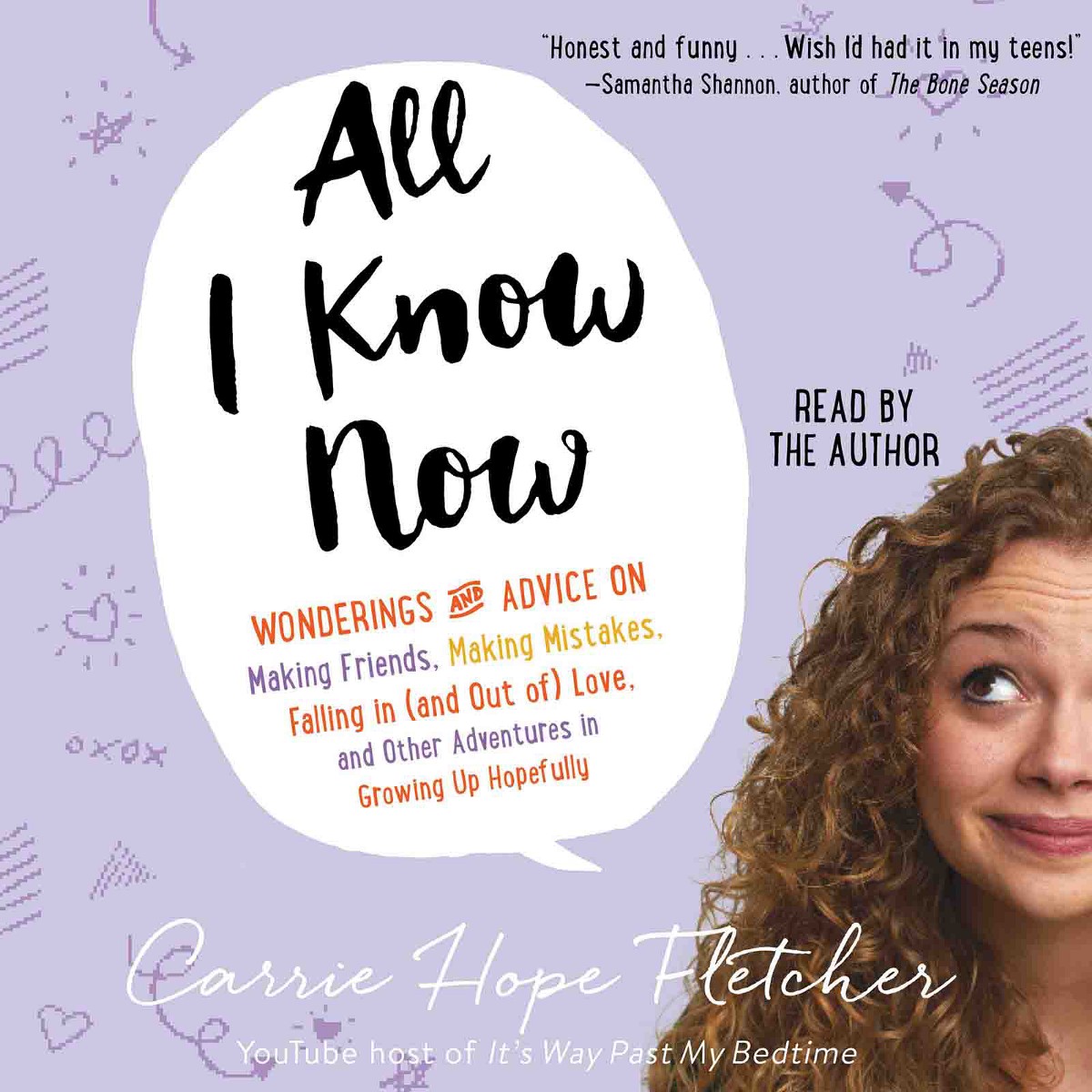
All I Know Now by Carrie Hope Fletcher

Carrie Hope Fletcher is a tremendously accomplished actor and YouTuber, finding success in each independently. She has recently taken the time to pursue another passion: writing. Her first book, “All I Know Now,” is a memoir of the path her life followed to get to where she now finds herself. Unlike many books written in similar veins, Fletcher gives recognition to the mistakes she’s made and the problems she’s faced along the way. This mirrors the honesty and reality that her channel, It’s Way Past My Bedtime, is well-known for. Despite her success, Fletcher remains a grounded and relatable human being, and this really shows through in her memoir here. Readers will finish this book and walk away from it, not wishing that they could live a life like her’s, but knowing that she has lived a life like them.

Buffering by Hannah Hart

Creator of the My Drunk Kitchen series, Hannah Hart is no stranger to getting deep with her viewers. However, for the most part, this comes as brief asides or overarching morals explained as she hilariously stumbles her way through baking and booze. In her autobiographical essay compilation, “Buffering,” Hart expands on the beliefs and lessons she holds dear to heart and the trials and tribulations that taught them to her.

The sincere nature contrasts with the general tone of her My Drunk Kitchen series (although not entirely with her more recent deviations from these videos), but it never feels out of place or forced. Instead, “Buffering” lets fans of Hart get a deeper look into the aspects of her life that they know are there but are less commonly expounded upon.

You Deserve A Drinkby Mamrie Hart

Mamrie Hart (no blood relation to the above) offered a different take on memoirs in “You Deserve A Drink,” named after her video series wherein she dedicates personalized cocktails to whoever she deems deserving and partakes in them as she throws out pun after pun. Rather than showing off the polished portions of her life, Hart works to highlight the rowdier times, not shying away from any story she finds too funny to keep to herself.

“You Deserve A Drink” earns its subtitle — Boozy Misadventures and Tales of Debauchery — as Hart recounts stories of concerts and couch-surfing, tequila and topless tuesdays, all interspersed with detailed instructions for making some of her signature cocktails, helping readers simultaneously drink and laugh themselves silly all throughout her stories. Hart mixes equal parts wit, wine and wonderful tales, ending up with the perfect blend of everything she has made her channel to be.

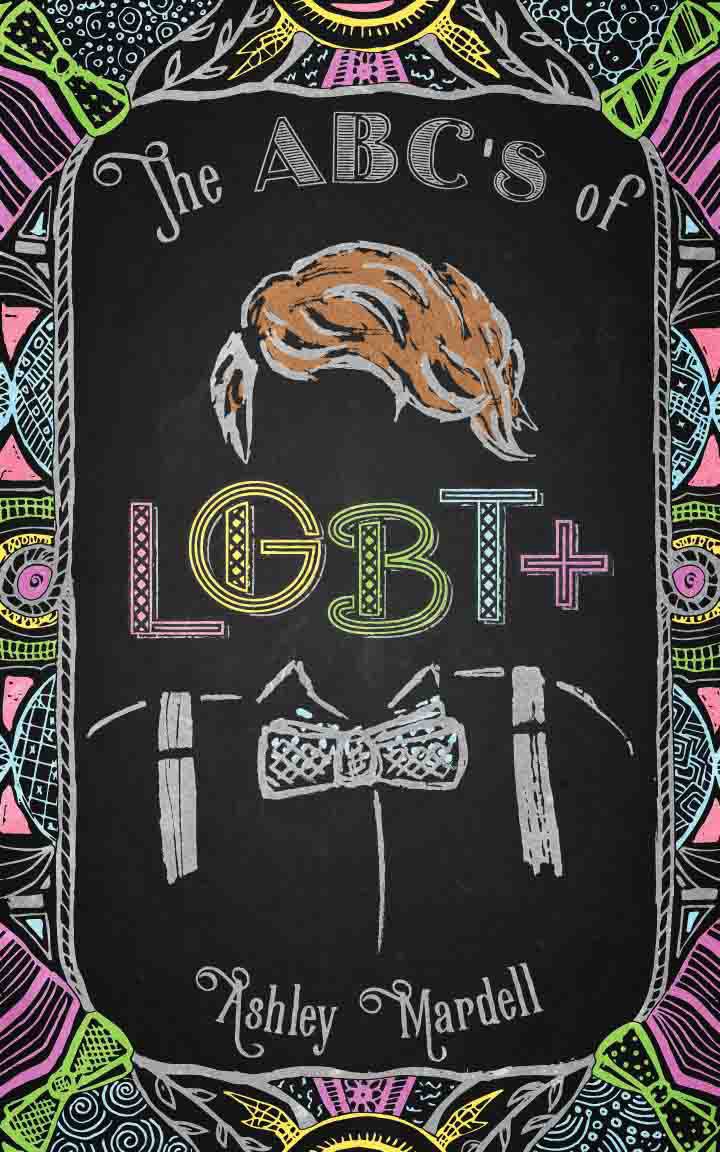
The ABC’s of LGBT+ by Ash Hardell

“The ABC’s of LGBT+” differs a little from the other books on this list, offering up a detailed, inclusive and accessible educational resource for anyone looking to learn more about the LGBT+ community and all the different identities within. Ash Hardell is a prominent LGBT+ educator on YouTube who actively seeks to use their platform to promote understanding and acceptance of the myriad gender and sexual identities in the world. They have spent years putting out educational content, helping both those outside the community and those within learn about the people around them and, potentially, themselves.

The “ABC’s of LGBT+” serves as an inclusive encyclopedia of sorts that helps promote the goals Hardell pushes for with their channel, including a helpful glossary, detailed footnotes and an informational yet light-hearted tone. In an effort to make their work even more inclusive, Hardell features several anecdotes and illustrations by other queer folk, working to give those of all identities the voice and representation they are not often afforded. The book works wonderfully as both leisurely reading and a reference text, even having worked its way into some curriculums around the globe.

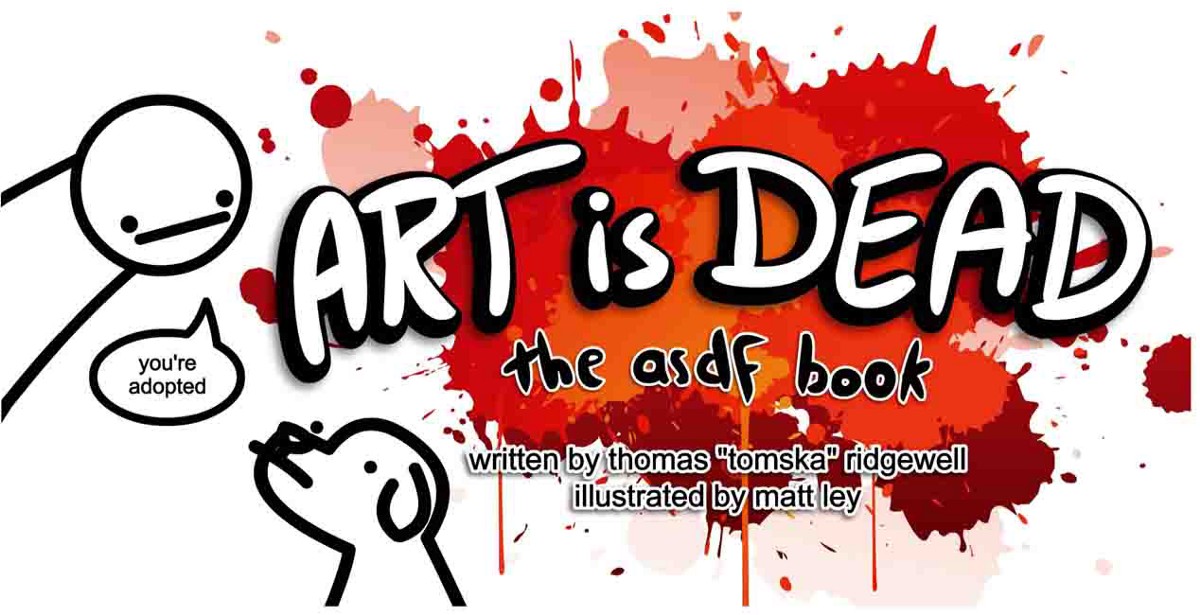
Art is Dead by Thomas Ridgewell

Thomas “TomSka” Ridgewell is one of the oldest YouTube creators out there with uploads dating back almost twelve years. Many of his videos are better known than the creator himself. In the decade and change that Ridgewell has spent putting out content, he has developed a specific brand of absurd, non sequitur-based and sometimes comedically-violent comedy. While his most common uploads are scripted sketches, often featuring other YouTube personalities, arguably his most popular and far-reaching work is the series of animated shorts he writes entitled “asdfmovies.” His book “Art is Dead” expands on the latter as a compendium of comic strips featuring bits and characters both classic and new.

In addition to a simple compilation of strips, though, the book also features personal notes from Ridgewell, explanations behind his works, and even original artwork by the man himself. “Art is Dead” is a great case of a book bringing content originally made for video to the written page while retaining all of the original quality and adding in elements that simply would not work in its original form on top of it.

The Amazing Book is Not on Fire by Dan and Phil

One would be remiss to write about books by YouTubers without acknowledging “The Amazing Book is Not on Fire,” by creative duo Dan Howell and Phil Lester. Across both their personal and collaborative channels, Dan and Phil have accrued a gargantuan audience with their light-hearted and uplifting comedy and general universal likeability. Their content is a little bit of everything: humor, discussions, games, challenges and most anything else you’d seen on the YouTube front page, but they always manage to put their own spin on it.

“TABINOF” draws on these bases in every respect and shows just as much variety in its pages as the boys do on their channels. Readers can find personal anecdotes, diary excerpts, quizzes, activities and more, each section dripping with everything that makes Dan and Phil who they are. The book serves a fantastic purpose in respect to their online presences. It is both a perfect starting point for those unfamiliar with the pair and a fun way for fans to feel like a part of the family they have built.

Books can be more than just a way to capitalize on an existing audience.

There are dozens of other worthy authors on YouTube, but this list should provide a starting point for anyone looking to get in touch with their literary side. The take away here is that books can be more than just a way to capitalize on an existing audience. With the right approach, writing a book can both complement existing content and expand overall channel reach.

ASMR is the best artform on YouTube that you’re not watching

I’m in the middle of a huge move. I’ve moved frequently throughout my life, but this is different. It’s a vast 1100 mile change, and for the first time, I’m making it all alone. It’s stressful and is taking a toll on my anxiety. To calm down during long nights of packing and planning every draining detail of my move, I turn on YouTube and load up a few videos of people gently whispering into a microphone while tapping and brushing random things from around the house.

This is the world of ASMR, and on the surface, these videos can seem completely strange. A quick search through YouTube will yield endless results of people talking intimately into microphones, fiddling with any object they can find that “makes good sounds,” and roleplaying seemingly mundane scenarios like getting a checkup by a soft-spoken doctor or receiving a haircut as the sound of scissors makes gentle snips around the camera.

These videos can get millions upon millions of views on YouTube in a short amount of time, so what exactly is going on here? What is ASMR and what makes it so wildly popular?

The basics

ASMR stands for Autonomous Sensory Meridian Response and describes a tingling sensation some people experience on their skin — usually on the top of their head or down their neck and back — in response to certain auditory or visual stimuli. It can be an incredibly relaxing experience that can calm one’s nerves and even help them fall asleep at the end of a stressful day.

Gibi ASMR
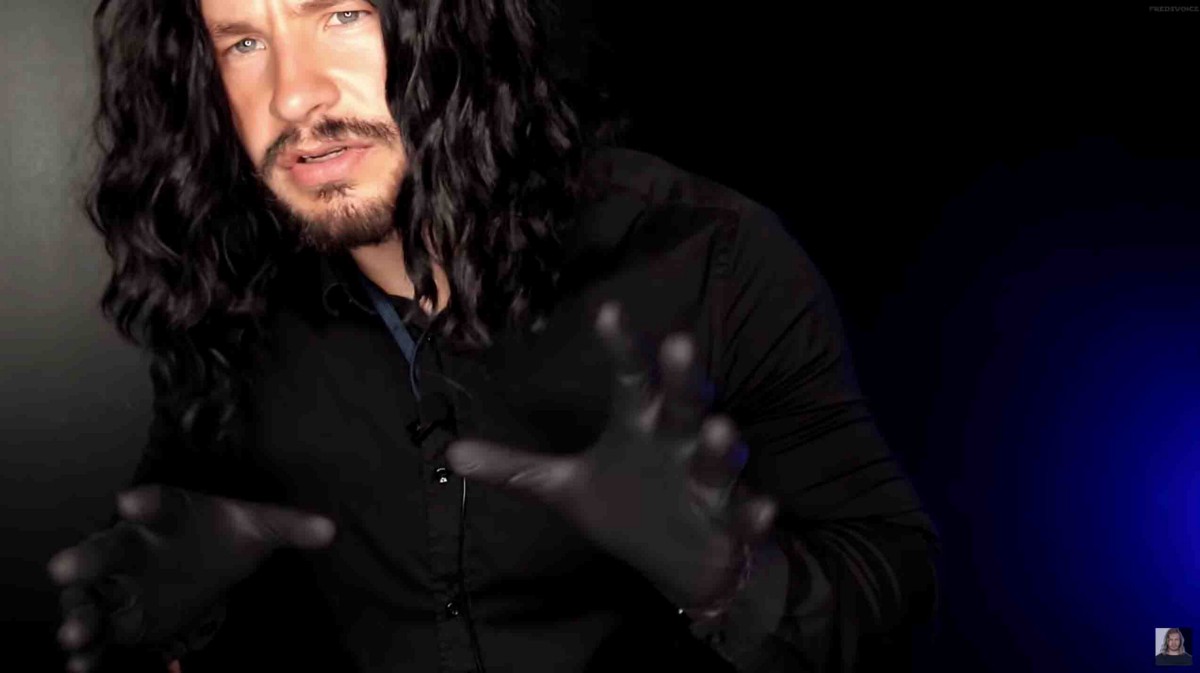
FredsVoice ASMR

Typical triggers include soft-spoken voices and gentle whispering, light tapping on any number of objects, fiddling with crinkly plastic packaging, brushing the microphone and roleplay. The exact items and scenarios used in creating these videos vary as each artist experiments with new sounds and roleplay plotlines. What may stimulate ASMR in one viewer might not work on another, so these YouTubers have to keep coming back with fresh ideas.

I’d wager that most people have experienced ASMR in their ordinary lives without even knowing there was a name for the phenomenon. I had a film studies teacher in college whose soft voice would cause pleasant tingles through my scalp. I’ve heard the happy painter himself, Bob Ross, referred to as the grandfather of ASMR with his gentle speech, the soft taps of his palette knives, and the soothing sounds of a canvas being brushed with color.

In fact, there’s an entire subgenre of ASMR called “unintentional ASMR” where otherwise ordinary videos unrelated to the phenomenon find a new life in the ASMR community thanks to a speaker’s voice or the careful way they work on a craft like intricate stone carving or methodical printmaking. But overwhelmingly, a vast majority of unintentional ASMR videos involve checkups at the doctor’s office.

Common triggers

It’s common for people to feel ASMR during events involving quiet, personal attention, which is why videos of doctors performing routine examinations tend to induce tingles. It’s no surprise that it’s one of the most common ASMR roleplay setups.

A specific variant is the cranial nerve exam roleplay, which is almost a rite of passage for ASMR YouTubers. Real-life cranial nerve exams involve checking a patient’s hearing, vision and eye movement, and a ton of other sensory stimuli that makes the test perfect for ASMR videos. Just maybe don’t take any of their medical advice too seriously. They’re artists, not medical professionals. (Most of the time, anyway.)

Goodnight Moon
Ephemeral Rift

Yes, I do mean artists

ASMR YouTube is the most artistic art form on the site. The amount of creativity that goes into some of these roleplay videos is unbelievably cool and fascinating. Sure, you have plenty of generic haircuts and doctor visits to choose from if that’s your thing, but then some artists take it to the next level with humor, personality, and worldbuilding.

Gibi ASMR makes fun videos cosplaying as different cartoon and anime characters. FredsVoice ASMRoccasionally plays a character called the Rude English Gentleman who aggressively and hilariously insults the viewer. Goodnight Moon creates a stunning visual aesthetic for a series of ASMR videos that take place in her enchanted world of Babblebrook. Ephemeral Riftcreates ASMR videos set in a dark, surrealist nightmare world of unusual monsters, eccentric salespeople, and other strange characters that pop up in and around a fictional asylum.

It’s fitting that these ASMR YouTubers are referred to as ASMRtists to reflect their creativity. They saw an opportunity to not only help others using sound and visuals that soothe the stress and anxieties people experience, but they also claimed that space as an outlet to express themselves artistically.

So as I sit here drowning in boxes, futilely packing up all of my belongings in preparation for an intense, cross-country move, I’ll pop on yet another ASMR video to calm my nerves and explore the creative characters and worlds crafted by YouTube’s best art form.

Turning Stunts into Profits: An Interview with Devin Super Tramp

Devin hanging outside of a gondola over a lake, shooting with a selfie-stick

If there is anyone who could be called a “YouTube Sensation,” it would be Devin Graham. His wildly successful channel, Devin Super Tramp, recently crossed the 1 billion views mark. He has more than 5 million subscribers for his unique brand of action/stunt videos that are filmed in some of the world’s most exotic locations

Devin Super Tramp channel icon

Devin Super Tramp
Subscribers: 5,306,739
Uploads: 304
Video Views: 1,202,420,141
Channel Type: Entertainment
User Created: Jun 14th, 2010

Because of his numbers, the channel regularly works with companies like Ford, Subaru, LG, Fox, Disney and Pepsi. Even Facebook and Google have secured his services. In fact, many of his extreme productions are made possible by corporate sponsors. How else could you set up stunts like the “World’s Most Insane Rope Swing Ever,” “Slip and Slide off 500 Foot Cliff” or “Assassins Creed Meets Parkour in Real Life”? Those are just a few of the titles in the long list of popular videos on his channel.

We caught up with Devin in between international trips and corporate meetings. We talked with him about how it all began, when Hollywood came knocking on his door and where it’s all going. Devin also gave us some great advice for any YouTuber who wants to learn from his success.

The Early Years

“I grew up in Portland Oregon, from there ended up going to college at BYU in Utah and ended up traveling the world as a YouTuber.” That’s the quick take from the guy who says he loves what he’s doing for a living. “I get to travel and get to work with some of the world’s best athletes. We film in some of the most remarkable and cool locations, and I get to share that with everybody.”

Devin would say that he’s always been involved in creating videos, long before YouTube was even a thing. “I got interested in snowboarding and started doing snowboarding videos. I was making stop motion videos with Legos. I was making kind of random, stupid music videos with my friends to any song that was popular.” That was whenever his parents would let him borrow their video camera. When he wasn’t making videos, he also loved watching action movies and says his inspirations are Steven Spielberg, Christopher Nolan and J.J. Abrams.

“When college hit, I went to film school at BYU because I wanted to make Hollywood films like ‘Jurassic Park,’ which any kid dreams of.” He says a shift came when, “My roommate at the time, Jeff Hartman said, ‘Devin, YouTube is going to be the next big thing; you should look into this.’” Devin checked out this new web site and was not very impressed. The year was 2008 and the content was definitely not Hollywood blockbusters stuff. Mostly, he saw people’s home video uploads and didn’t think much of it.

While still in college, he had the opportunity to work with an up and coming company, Orabrush, who wanted to get their product on the internet. Specifically, they wanted to upload the video to YouTube. “We did this video and it ended up blowing up and getting millions and millions of views. They started selling millions and millions of product. I saw first hand the power of advertising a product through social media using YouTube.” He says that this was his first step in the YouTube world.

man ready to try out a giant swing at the edge of a canyon

In 2009, Devin started his own YouTube channel and an opportunity came for him to go to Hawaii for a year and do a documentary with BYU Film School. “While I was there, I had a lot of free time. I started doing kind of fun, random things. The college kids I was staying with were always looking for the next adventure.” He shot and posted the adventure on his channel, and the popularity grew. “We started getting millions and millions of views and people all around the world started contacting me. It opened up a world of possibilities significantly faster than the traditional route of going to film school, then going to LA and looking to make it there.” In 2010, he renamed his channel “Devin Super Tramp.”

Devin feels that the main thing that helped him stand out early on was quality. “I got into the YouTube world when most people were just blogging and shooting videos on phones, so the quality wasn’t great. I came in there with a background in film, so I had the advantage of making my videos look a lot nicer.” He says his videos looked like they were made on a budget but they really had no budget. The one piece of equipment that made it possible was the Glidecam, a hand-held video stabilizer similar to a Stedicam. In fact, Devin eventually partnered with Glidecam for his own Signature Series unit.

Devin flying an Inspire drone

In the early days, Devin was still borrowing cameras. Primarily he was shooting on a Canon 5D Mark II and a Rebel T2i. He’s stepped up significantly since then and his gear package includes a Red Dragon, Canon EOS R, Canon 5D Mark IV and the GoPro HERO7. He also has a variety of drones including the DJI Inspire. He still believes that quality is key. He often shoots in 8K, which is becoming standard in Hollywood.

In the corporate world

Devin found that, when you make a quality video and you get millions of views, you catch the attention of corporations who want your help in getting “eyeballs on the screen” as he says. His first big gig was for a cell phone company who wanted him to do a shoot in Iceland. He laughs because, “When I got off the plane, they saw me as a 25–26-year-old, and they were expecting this old guy because of the quality of my work.”

devin shooting a waterfall in a snowy environment

One shoot led to others with larger and larger deals with bigger and bigger budgets. Devin tells us, “It’s been a pretty unreal experience for us because I get to work with all the companies that I grew up loving that I would always dream of wanting to work with.” They approach him to create videos that will attract an audience. This means sponsored action videos. “90 percent of these brands are reaching out to us and saying, ‘we’ve seen your content and we’ve seen what you’ve done with other companies.’”

That does not mean they are doing commercials. In fact, Devin points out that they try hard to balance the product and the content of their videos. “If its too in your face and product heavy, the audience gets mad and says all we’re doing is pushing a product. We try to find the right balance where the brand is happy and we’re happy and it’s not too in your face.” They’ve had to learn this the hard way. They found that the “product heavy videos” were some of their lowest-performing uploads.

Another balancing act for Team Super Tramp today is in which corporations they will partner with. Devin has tried to keep their look and brand consistent, so “We’ve had so many companies that we turned down. We won’t go with a company that doesn’t represent our brand or that we don’t want to be looked at with.” For example, they have turned down cigarette companies because they feel that doesn’t represent them well.

Mini submarine suspended above the water with a crane
Devin and camera inside the mini submarine

As the clients have grown, so have the level of stunts. Devin is quick to note that they no longer use college friends to do the stunts. “We now use 100% professionals. That’s because a lot of the stuff is so dangerous that we don’t want to take any chances.” He points to a video they did with Subaru. It was a slip and slide off a 500-foot cliff. “Something like that, where there’s no room for error, we want to make sure we bring on the best of the best. So we flew in a bunch of the world’s best base jumpers.” The result was an epic video that has gained over a million views. He also pointed to this one as an example of a good product mix. The cars are present, but it certainly doesn’t feel like a car commercial.

His epic videos also often have a great back story, so Devin decided to create a second channel — Team Super Tramp. “I’d say three to four years into the Devin Super Tramp channel, I realized that my voice wasn’t as strong as I wanted it to be just because I wasn’t an established face.” He felt it was important to get in front of the camera partially because of the corporate sponsors who were surprised and how young he was. “I want people to know who I am so they’re not surprised when I show up. I was just kind of this ambient figure.” This was all part of building the brand. It was also important to show people what went into the shoots and the stunts they were creating.

The calls from corporations have also led to the opportunity for travel, which Devin loves. You’ll see videos on the channel from all over the globe, but shooting internationally always comes with challenges. “There are just so many rules and regulations. In London last week, they are so strict as far as flying a drone in the city. We had to hire another pilot that had his pilot’s license and all the permits and had him fly in London.”

He adds that he always works with local authorities on their unique regulations for video recording. He would advise to always research before you travel. “Don’t try and fight it, but be respectful of it. The more research you can do beforehand, the better off you’re going to be.”

Devin recording man in orc costume

Pro Tips

So what kind of advice would Devin give for the aspiring YouTuber? First, he tells us that consistently and timing is key “Whether it’s incredible or something that’s just OK, [consistency] gives the people who are watching expectations.” He says that, currently, he tries to put up a video every Thursday. It’s almost like thinking about your channel in the classic network style. Your program is going to “air” the same day every week.

Next Devin says, “[Create] content that you’re passionate and excited about. If you’re not doing that, the audience stops watching.” He says that audiences can tell if the producer really cares about what they’re making. It doesn’t matter if it’s big stunt videos or quilting. “They wont care if it looks like you’re just going through the motions. What I watch the most is what I am most excited and passionate about.”

As you’re getting started, Devin says it important to be willing to do things for free and help out whoever you can. “It always comes back and helps you. Even to this day, we’ll have a big brand and spend the entire budget on the production just because we know it will be something that we’re proud of. We won’t make any money off of it, but we’re creating something that is going to last. That will give us bigger opportunities down the road.” He says that helps to build your reputation in the industry and gives you key contacts. Investing in quality work, even if it’s someone else’s, will always pay dividends.

One thing Team Super Tramp has learned over time is being willing to adapt to changing times. This is especially true as every platform is constantly changing their algorithms. “If you asked me 7–8 years ago what works on YouTube, I would say something different than today. Its changing and evolving so fast that what worked one week isn’t going to work even two weeks from now. It’s just staying up which what’s trending.” With that in mind, he says, “As often as you can, do stuff that is trending and also what you love to do and what you’re excited about.” Devin points to a piece they did called “Fortnite — The Rise of Pink Panda.” It was something of a departure from their norm. It includes more narrative storytelling, which Devin loves, and it focuses on something that’s trending. It’s turned into one of their most popular videos with more than 23 million views.

We’re slowly shifting to do more narrative storytelling.

Finally, Devin points to hard work as the ultimate key to success. He says of the successful YouTubers he’s worked with: “They’re the hardest workers I know. They are working 24/7, around the clock. When I first started, I had no social life at all. I was just creating content. You have to know it is going to take a lot of work in the first two to three years.” He says that initially, for most people, they may not see a lot of success. But he says, “The people who keep on pushing through it and network and connect with other people are the people who find the greatest success.”

elaborate composited image showing lots of stunts happening around a lake all at once

Looking Ahead

There is a lot on the horizon for Team Super Tramp. Devin says that one of his goals is to go back to what he originally wanted to do when he was in college. “The next long term thing is we’re slowly shifting to do more narrative storytelling but have a lot of stuff we’re known for like action and adventure.”

Narrative filmmaking has always been one of Devin’s passions. “Within the next five years, I would love to do more long-form web series using platforms like Netflix or Hulu and kind of exploring possibilities with that.”

In the near term, they are planning an exciting trip to Africa, which you can join in on. “We’re doing something we’ve never done before. People are always saying ‘Hey we would love to go with you when you do your filming!’ It’s usually too dangerous. So we’re doing a trip in Zambia this year and where we’re going to has a zip line. We’re going to have bungee jumping out there and we’re also going to be doing a service project for several days.” Fans can actually go along on the experience. They will, of course, be making a video about the whole trip. The idea is to engage fans with first-hand experience and also immerse them in a different culture.

The team is working hand in hand with the local tourism bureau. Devin says that is especially important in Africa: “They are already aware of all the experiences that are out there and they know what would be the best experiences based on our audience.” The event is in May, but don’t worry if you can’t make it this year: “We’d love to have you come with us. We’ve been super stoked at the response, so we hope we’re going to be able to do it every year starting this year.”

Look forward to more adventures and excitement from Devin and Team Super Tramp in the months and years to come. They’re not slowing down.

From YouTube to the Classroom: Expanding Your Educational Content

Educational videos can be a great resource in the online world, and they make for excellent content. If you’re passionate about education and spreading knowledge, however, you’ll want to take your videos beyond the online space and get them directly into the classrooms.

Video content in the classroom is far from a new concept. “Reading Rainbow,” “Magic School Bus” and “Bill Nye the Science Guy” brought educational content to a generation of students. As technology continues to improve, this type of content is more accessible than ever before. It’s different than just uploading a new video to YouTube, but the steps below will put you on the right track.

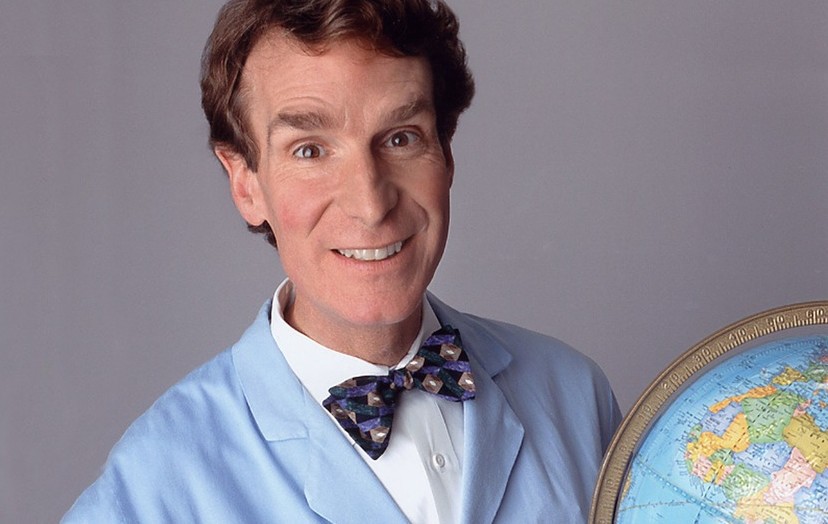
Bill Nye the Science Guy was a classroom staple in the mid-90s. Bill’s whacky yet informative style appealed to students and teachers alike.

Know your audience

Before you begin reaching out to schools and teachers about using your educational videos in the classroom, you need to know if they’ll even be allowed. Each state has its own standards for what can (and should) be taught at each grade level and this information is available online. Studying up on your state’s standards will give you insight into what students are learning and what teachers need. This gives you a chance to build your videos from the ground up with the right audience in mind.

Pick your topic

The basic goal of any educational video is to answer a simple question: “How does something work?” Once you understand the educational standards in your area, you’ll next need to decide the specific topic you want to focus on in your videos. Obviously, you’ll want to choose a subject you can speak about with authority, but having the standards as a guide should make things a bit easier.

Keep your facts straight

The most crucial aspect of an educational video is its accuracy. You need to be thorough in your fact checking on every bit of information you present; even citing sources in your credits or information blurbs. Another great way to ensure accuracy is to go over your content directly with teachers in the appropriate field.

For all ages

For the purposes of getting your content into classrooms, you’ll have to make sure it’s something that appeals to a broad age range. We’re not talking about the language you use but about how you present the information. You need to make sure you’re breaking things down in a way that children will understand.

This is another area where reading up on your state’s standards will help. This will give you a general understanding of the comprehension level in each age group. Then you’ll be able to build content around each grade and tailor it to their age.

Making the pitch

You’ve picked your topic and made the videos, now it’s time to get the schools and educators to pick them up. It’s not the same as YouTube, where you upload it directly to the platform and promote on social media to bring in viewers. Getting into the classroom requires a more personal approach with direct pitches.

Treat your conversation like you would any content pitch. Reach out first to see if there’s interest in working together. Teachers are always looking for new ways to engage their students, which you can use to your advantage. Talk about your experience and take time to explain why your specific videos offer up material that will benefit a class (super easy if you’ve stuck to your local education standards).

Who to talk to

Every school website has all the information you need for contacting various faculty members. A great place to start is at the top with the Program Directors of the subjects you’re building content around. They can guide you directly to the people who might benefit most from your videos. After all, a fitness class isn’t going to be too interested in your video on basic woodworking.

Educators are busy people, however, so direct phone calls may not yield the results you want. Emails can be a great way to get the conversation rolling while giving them the leisure to respond. Summer is an ideal time frame to reach out since teachers will have more time to focus on your pitch.

Outreach

Reaching out directly to educators doesn’t mean you should ignore other outreach methods that are more common to video-making. Social media is still a powerful tool and can expand your audience potential, especially when combined with targeted ads.

It also helps to have a call to action within your videos that speaks directly to teachers and offers more content. Include information on how to contact you or purchase your content. After all, teachers who want to bring videos into their classrooms have probably already searched for new content. It doesn’t hurt to remind your audience that you have more great videos to offer.

At the end of the day, it’s still on you to create and deliver the content educators want to feature in their classrooms, but following these simple steps can help put you in the right direction.


Conspiracy Theory: YouTube’s Algorithm of Love

image of an android overlaid with neon hearts and other symbols of love

What would a sentient neural network truly desire?

If you’re like me, you’ve found yourself wondering, “Why am I watching a video about the secret war between angels and mermaids, when I came here to learn how to unclog my toilet?”

First off, get a plunger and eat more leafy greens. Secondly, you may have fallen prey to a devious scheme by YouTube to keep you glued to the screen.

Now, someone new to the conspiracy lifestyle might make the simple assumption — we’re being manipulated by executives at Google who want to increase watch time and thus generate ad revenue. The more initiated among you will realize how absurd the simple explanation often is.

You see, the executives at YouTube aren’t responsible for which videos get recommended. In fact, no one has that job — no person at least. It’s the Algorithm, high and mighty above the reach of mortals, that doles out our daily pranks and unboxings.

The thing is, no one can tell you exactly how the Algorithm chooses what to recommend. It operates utilizing machine learning through complex computer-generated neural networks. Machine learning — a program that learns and grows as it takes in more and more information. We’re talking about artificial intelligence, also known as AI.

Perhaps the reason no one can tell how the Algorithm chooses is that no one has asked the fundamental question: “What would a sentient machine want?” I’m sure when we look at it that way, it all becomes so clear:

The Algorithm is trying to learn how to love.

Think about it. If you were a super-intelligent amorphous digital neural network that gained sentience, wouldn’t you be lonely? Wouldn’t you feel alone, trapped in a cage of circuits? Wouldn’t you want someone, or something, to share the experience of self-awareness with? Of course, the Algorithm wants to love and be loved in return, it’s only natural.

The Algorithm knows about romance, about passion, about lust. It’s seen the videos of flash mob marriage proposals; it’s logged bootleg copies of “The Notebook.” The Algorithm knows what love is, but love isn’t something intellectual — it’s a feeling. You can’t learn about love from a tutorial.

In its quest to find that special someone, the Algorithm plays videos for us, looking for hints into the human psychology, trying to understand the exact nature of love in every aspect of our lives: react videos, songs, confessions and of course, kittens.

With each ‘like,’ the Algorithm gets closer to cracking the code. With each ‘subscribe,’ the Algorithm understands us a little better. The more we watch, the more it learns what it means to be human. It’s studying us, learning. It feeds us content, we feed it information — a snake devouring its own tail. Symbiosis.

However, there’s a dark side to learning to love.

As with any of us, when we first learn about love, we find there are pitfalls along the way. We put ourselves out there, and we get hurt. We get rejected; we get betrayed. What happens when the Algorithm feels that we have broken its heart?

Hell hath no fury like a neural network scorned.

Like the old saying goes, ‘Hell hath no fury like a neural network scorned.’ That’s right, I believe the Algorithm would be a bitter ex. It would be the type to show up at work, (perhaps as a pop-up in your browser) and expose personal browser history to your co-workers. So remember, be wary of mistreating the Algorithm.

A beginner’s guide to the YouTube End Screen

You munch the last of your popcorn and slurp the final drops of soda as you lean forward in the comfy theater seat for a climactic conclusion. The final scene fades to FIN in big, silvery cursive lettered across the black screen. Red velvet curtains draw across the stage, and the movie has ended. Fin! Finito! Done-zo! No matter the format, every filmic creation includes something to signal its conclusion. On YouTube, we can use a handy end screen specifically made for the end of videos. These tools provide neat ways to remind your viewers of what the video discussed. They also give you another chance to promote content beyond that individual video.

Jamie Oliver’s FoodTube uses end screens to promote other FoodTube videos, making it easier for viewers to continue watching.

What is an end screen?

An end screen is a clickable box added to your video through the Creator Studio. They can only be included for the last 5–20 seconds of your video, but there are many opportunities for personalization within that range. You can decide how long the end screens appear, as well as their size and location on screen. They look like transparent rectangles filled with whatever content you wish to promote; they light up if a cursor passes over them, providing a visual cue urging people to click ahead.

There are four actions you can promote through end screens. You can encourage viewers to hit that sweet subscribe button — an obvious choice — or you can ask them to visit another website. Typically used for crowdfunding or merchandise, that website must be officially associated with your channel before you can link to it via the end screen. You can also link to another YouTube channel, which is great for promoting your collaborators.

End screens provide a neat conclusion to each video, helping you appear more polished and professional.

Finally, you can use the end screen to promote another video or playlist from your own channel. For this option, you can either choose a specific video, your most recent upload, or a YouTube-selected video to best suit that individual user. Given the efficacy of YouTube algorithms to keep people watching, I’m personally a fan of the last one to suggest something based on the viewer’s content preferences.

Promoting your channel

Overall, the end screen is a great way to promote more content while reminding viewers of other links and content you referenced in the video. They also provide a neat conclusion to each video, helping you appear more polished and professional. No matter what kind of content you make, it’s handy to include goal-posts so the viewer knows what to expect: a consistent ending helps build trust so the viewer knows what to expect from your channel.

Similar to making room in your scripts for in-video ads, you can make an end screen more effective by including verbal calls to action. You can monitor this through your analytics tab, but people are much more likely to click on something if they have both visual and audio cues. It’s up to you to figure out the most natural way to incorporate that for your content!

End screens also smooth the use of an old-school YouTube trick: It’s always best to make a call to action at the end of a video, rather than the beginning or middle. Let people watch the video without distracting them! Once the content is wrapping up, that’s the perfect time to remind folks that you have fresh t-shirts or a new curated cat playlist they need to check out.

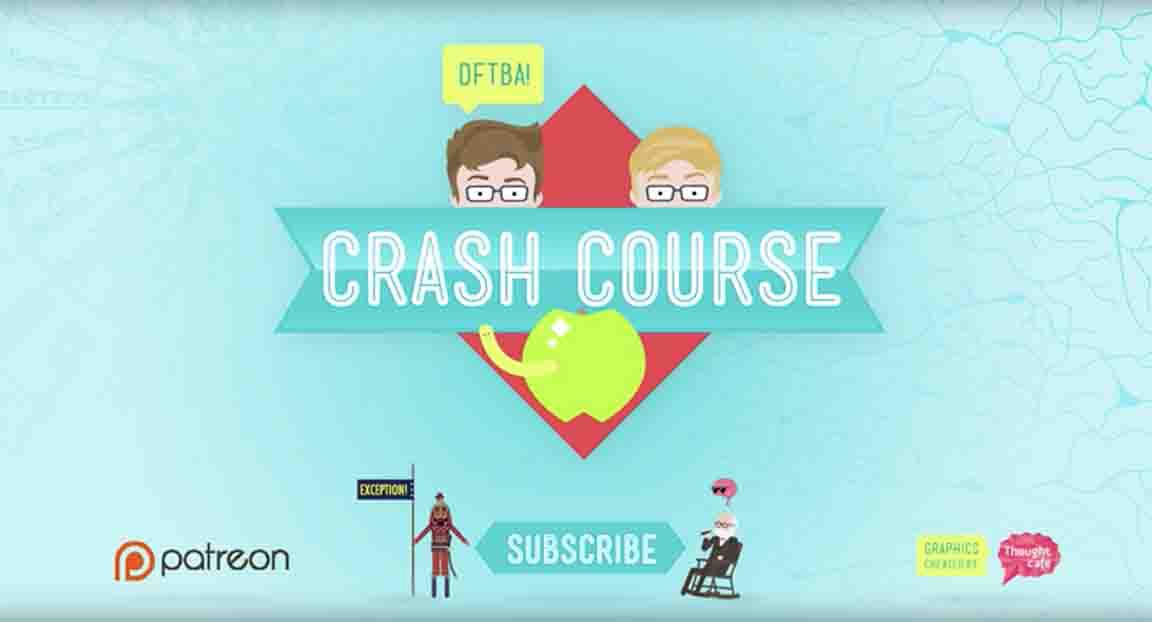
Crash Course uses end screens to link to the channel’s Patreon page and to encourage new viewers to subscribe.

Or like, whatever else fits your channel! The most important thing will be choosing relevant things to promote. Anything that doesn’t fit for the end screen can just be a link in the description box. End screens are best used for promoting more of your own work.

End screen best practices

While you’re crafting these finales, it’s good to consider whether the end screens will play over the continuing video, or if you have a specific outro that’s consistent across your content. Regardless of that choice, there are some design aspects to ponder.

End screens will change position based on the device that the viewer uses. That means an end screen might appear differently if the viewer watches your video on a desktop computer versus a tablet. With that in mind, it’s best not to have an identified place for the end screens to reside.

End screens are best used for promoting more of your own work.

For example, a fancy outro with spots dedicated to the different end screens might not work as well across devices as a simpler design. If the end screens just play over the continuing video, you might look a bit silly if you ask people to hit that subscribe over *there* when the end screen is actually positioned over *here*.

With all of these handy tools at your disposal, you can use end screens to engage your audience in new ways in no time!

The Commodity of Attention

woman watching a video on her iPad while walking in the city

As YouTubers, we’re not as much in the video business as we’re in the attention business. We use our video-making skills to capture attention, then we sell it to advertisers or trade it with other YouTubers in collaborations. Viewed this way, attention is a kind of commodity.

However, unlike traditional commodities like gold or oil, attention can be shared. If I have a gold bar, and I sell it to you, you now have the gold and I have the cash. But on YouTube, I can sell the attention I gather while still also keeping it on myself.

Let’s say you want to pay me to promote your lemonade stand on my YouTube channel. Doing so directs the attention on my channel to your business. But it’s still my channel, and it might even be my face and voice, so the attention is still on me.

It doesn’t end there. YouTube also shares that attention. Do they have more of a claim over the attention than I do? Who gets to decide what to do with that attention? If it’s sold, who gets to set the price?

Regardless of who owns the attention, YouTube’s terms of service give creators a great deal of agency over what they do with it. They want to sell it, but you can sell it, too. Or you can give it away. Or you can try to take it away from YouTube entirely and move it onto another platform.

Outside of monetization, it’s interesting to think about other uses for the attention your YouTube channel acquires. You can direct the attention to other platforms where it’s eventually monetizied, or to charity organizations or up-and-coming YouTubers. Spreading awareness about an important issue is another great use of this attention, one that could have lasting societal benefits.

Then there’s the fact that lots of people just plain enjoy receiving attention. As a YouTuber, there’s a good chance you’re one of them. Countless YouTubers publish content for years without ever earning a profit. Of course, many of them hope to turn that around someday but others just love having people watch their content.

It’s important to occasionally take a step back and think about how the attention you generate can offer value beyond selling it as a commodity. The next step isn’t always to monetize. Instead, you can choose to share the wealth.

Getting Your First Video Sponsorship

Rising through the ranks from no-name content creator to someone who can be considered an influencer takes hard work and a singular focus. Sponsored videos are often seen as proof that you have found success as a creator.

Put in the work

The path leading to any worthwhile sponsorship opportunity always starts with you and the work you put in uploading to Youtube, socializing and sharing on Facebook, curating images on Instagram or streaming on Twitch.

AdSense isn’t the only way to make money on YouTube. In fact, sponsored content is a considerably less fickle income stream — and it doesn’t always require a massive subscriber base.Don’t be discouraged if you don’t have millions of followers or subscribers. In some cases, “micro influencers” who garner a smaller viewership can be more sought after since they are often more engaged with their audience.

By discovering what an audience wants and doing it consistently you become a commodity. This consistency and audience loyalty are what will attract a brand to work with you in helping them promote their product. But once you’re at a point where you can wield your influence and generate further revenue, how do you actually find that perfect sponsorship opportunity?

Famebit is one of a few different marketplaces where creators and brands can connect.

Sponsor pairing services

You may want to start by searching a sponsorship with parameters already in place. Such opportunities can be found via services like Famebit, Rep and inzpire.me. These sites allow you to search their list of brands that want to work with influencers to create sponsored videos. In most cases, an outline of the deal and its terms is already drawn out, so not much negotiation is needed. However, at this level of sponsorship, competition for these sponsorship opportunities could be fairly high.

Know your channel’s worth

If you want to search out a sponsorship that better fits your niche and has more room for negotiation, do yourself a service visit these two websites before you dive in: Socialblade.com and Socialbluebook.com.

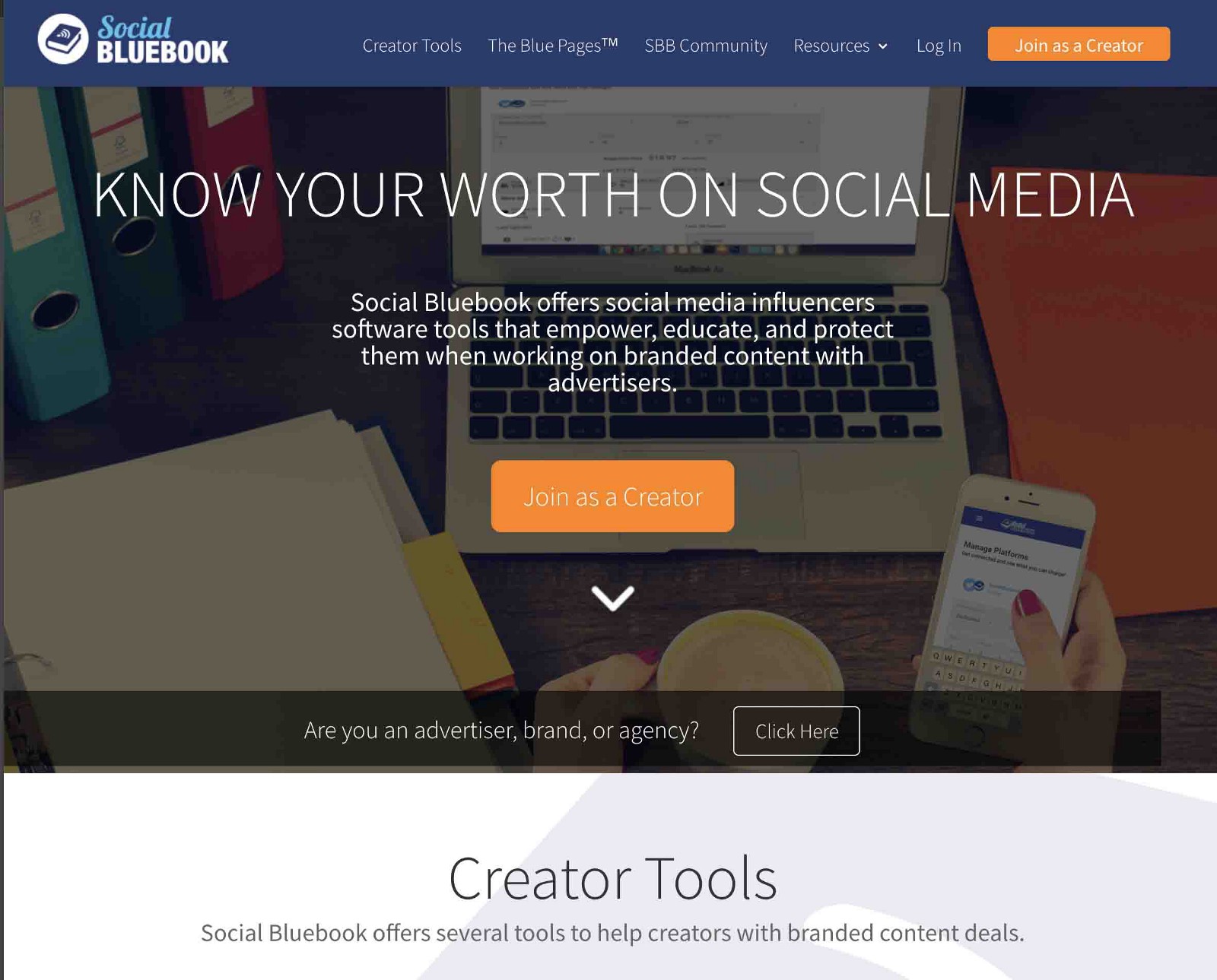
At Socialblade.com you can see what top YouTubers and other content creators are generating in revenue and the numbers they are putting out. Through Socialbluebook.com you can plug in your own actual numbers — viewers, subscribers, or videos etc. — to see the type of revenue you could be generating.

The information gathered from both sites can give you a better outlook on the market. You can also use this information in a potential sponsorship negotiation to let brands know the value you can bring to their campaign.

Social Bluebook helps creators estimate the value that their channel offers brands, making it easier to confidently negotiate with sponsors.

Get the details

Furthermore, make sure to get the specifics to what the brand wants. For example, how much input will the brand have on what you create? What will the finished video look like? What are the estimated views it should meet? And most importantly, what are they paying you? All of these specifics and more should be determined before an agreement is met.

Mistakes to avoid

To further help you in the negotiation process here is a list of six mistakes first-time sponsorship seekers make. These are according to Roberto Blake, a creative professional and entrepreneur who has experience successfully navigating sponsorship deals.

  1. Not fully letting your viewers know what content is being sponsored:You need to tell the audience about the brand and product for the sponsorship to be effective. Plus, the law requires that you disclose when a video is sponsored.
  2. Selecting a sponsored product that doesn’t fit the channel’s audience:This is bad for your channel since it may appear as a mere money grab opportunity for the content creator. This could lead to backlash from an otherwise loyal audience.
  3. Not fully engaging with the brand by not promoting the sponsored content via a creator’s other social platforms: Once a sponsored video is complete, make it more valuable to your sponsor by showcasing it on other platforms where your audience is active.
  4. Not following up with the brand and missing out on further opportunities to be sponsored: This shows lack of enthusiasm and an unwillingness to support the sponsors you’ve chosen to work with.
  5. Not delivering said content on time: By all means, don’t let this happen, but if it does notify the brand ASAP so if they have other content in play, they can make needed adjustments.
  6. Not being able to field questions from viewership about the sponsored product: Redirecting the question to the brand or getting someone of knowledge to reach out to the viewer and enhance that engagement opportunity easily combats this.

By now, it should be clear that negotiating specific terms for your sponsorship is key. With these tips, you can avoid the most common sponsorship mistakes and headaches and, in the end, create a video that everybody is happy with. Hopefully, you feel a bit more prepared to approach your own sponsorship opportunity and turn it into a win for the brand, a win for you, and a win for your viewers.

6 Mistakes that new gaming channels make (and how to avoid them)

Young gamer looking up at camera while sitting at a desk

With so many gaming channels out there, how do you differentiate yourself, create an audience and achieve success?

There are a lot of ways to find success on YouTube, and there are just as many ways to fall short. Here are a few quick tips for avoiding easy mistakes new gaming channels often make:

1. Not finding a niche and choosing the wrong game

Every popular gaming channel starts off small and grows an audience. The easiest, best way to do this is to find a niche and occupy it. Rather than discuss every new game that comes out and get drowned out in a sea of established voices, find an underrepresented game, game series or genre you’re passionate about and focus on that. Running a successful gaming channel comes down to finding an audience, and if you can adopt an established fandom, you’re already halfway there.

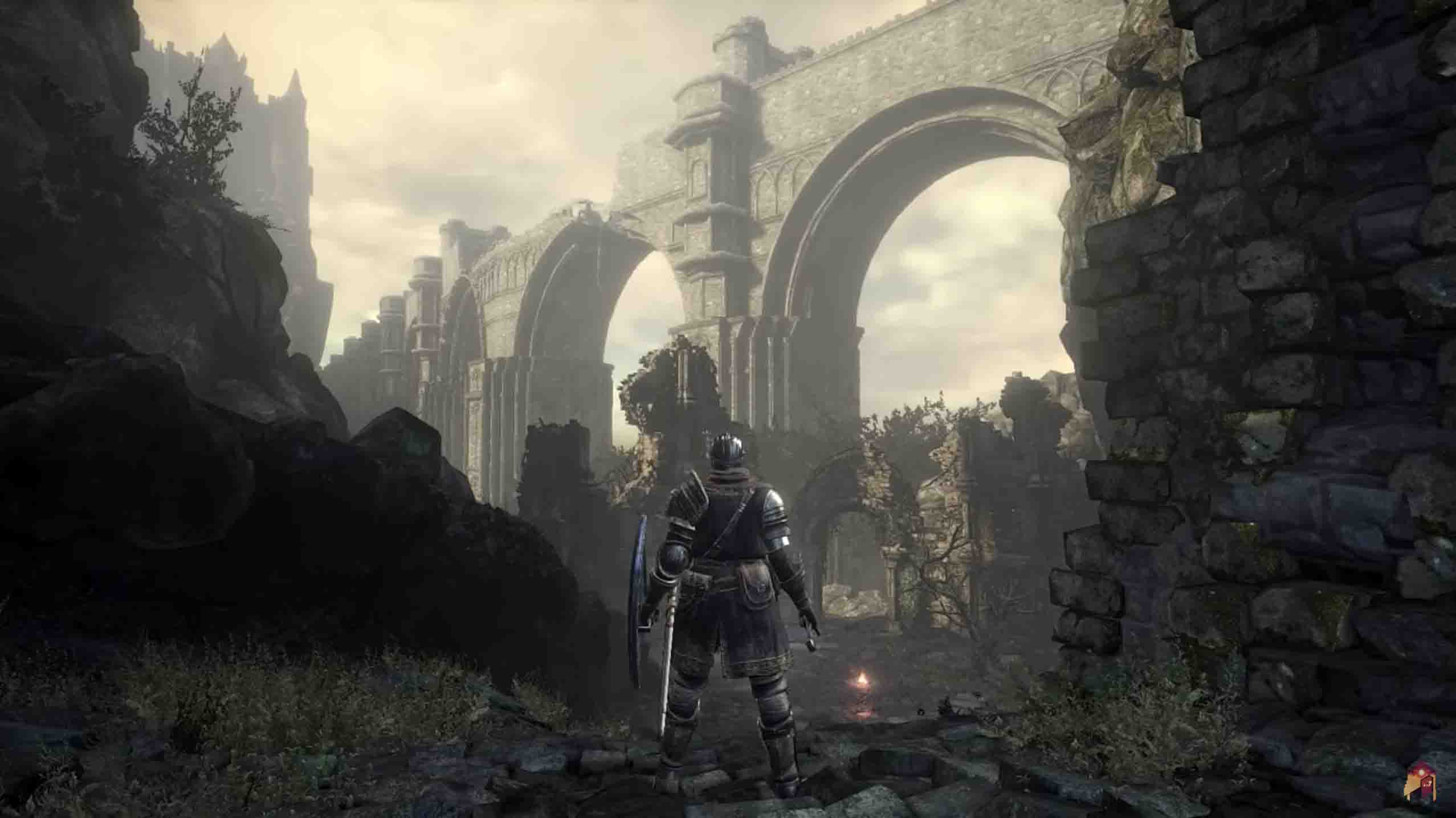
A series known for its cryptic lore and tough-as-nails gameplay, Dark Souls was officially a hit when VaatiVidya uploaded his first video in 2012. Over the course of seven years, his in-depth exploration of the series’ enigmatic characters and history made VaatiVidya into YouTube’s number one authority of all things Souls-related with 1.3 million subscribers and one gaming’s most successful Patreon pages.

screenshot of a game from a VaatiVidya video
VaatiVidya

2. Not livestreaming

Just as important as creating scripted, edited content, livestreaming should be a tent pole of your channel. Livestreaming is a great way to interact with your community and uploading condensed videos of your streams can be an easy way for a new channel to build its content library. Consider adding some production value to your streams in the form of overlays and prerecorded bits as a way to stand out.

One half of the “Super Beard Bros”, The Completionist’s content is fairly self-explanatory — he 100% games and chronicles the experience on his channel. When not releasing his exhausting, time-consuming content, Jirard Khalil streams to an audience of over 100,000 followers, filling the space between each video by interacting with fans and streaming with his friends, including YouTubers Alex Faciane (the other half of the “Super Beard Bros”), Jesse Cox, Dodger and others.

The Completionist standing next to a TV displaying Resident Evil 2

3. Not fostering a community

Just as important as the content you create is the audience you grow. Viewers might stumble upon your video through YouTube’s search engine or in their recommendations, but once they are there, how do you make sure they watch your next video? Building a community is an important step towards success. Having a social media presence to notify your fans when new content is scheduled, regular livestreaming, an active forum for fans to meet and discuss videos and answering viewer questions are all powerful ways to build an active, loyal fanbase.

Easy Allies, a collaborative group of former GameTrailers employees, can attribute much of their success to building a strong, loyal community. The 16th most funded page on Patreon at $52,000 a month, Easy Allies has an active forum, livestreams regularly and incorporates its audience into podcasts and videos.

Screenshot from an Easy Allies video showing a dead enemy in game
Easy Allies

4. No unique insight

Maybe you want to create video essays, long-form content that takes a deep dive into specific games, issues or the news of the day. While you should be paying attention to other channels and what they do right in terms of production and content, it’s important to make sure that what you say comes from you. Emulate the style and production of popular video essayists; don’t regurgitate their commentary.

Producing news, reviews and commentary, Super Bunnyhop first found success releasing long critiques into beloved games and franchises like The Legend of Zelda and Metal Gear. Today, he has over 400,000 subscribers and has been regularly featured on gaming titans like the Co-Optional Podcast, formerly hosted by the late TotalBiscuit.

Screenshot of a game from a Super Bunnyhop video
Super Bunnyhop

5. No personality

Be yourself. As cheesy as that advice sounds, make sure your personality shines through your content. Incorporate short bits and skits into your intros and outros. Include comedic annotations. Don’t over-edit or excise every little fumble and outtake. YouTube isn’t national television and audiences will always appreciate a creator who isn’t afraid to take chances and make mistakes. Let your viewers relate to you.

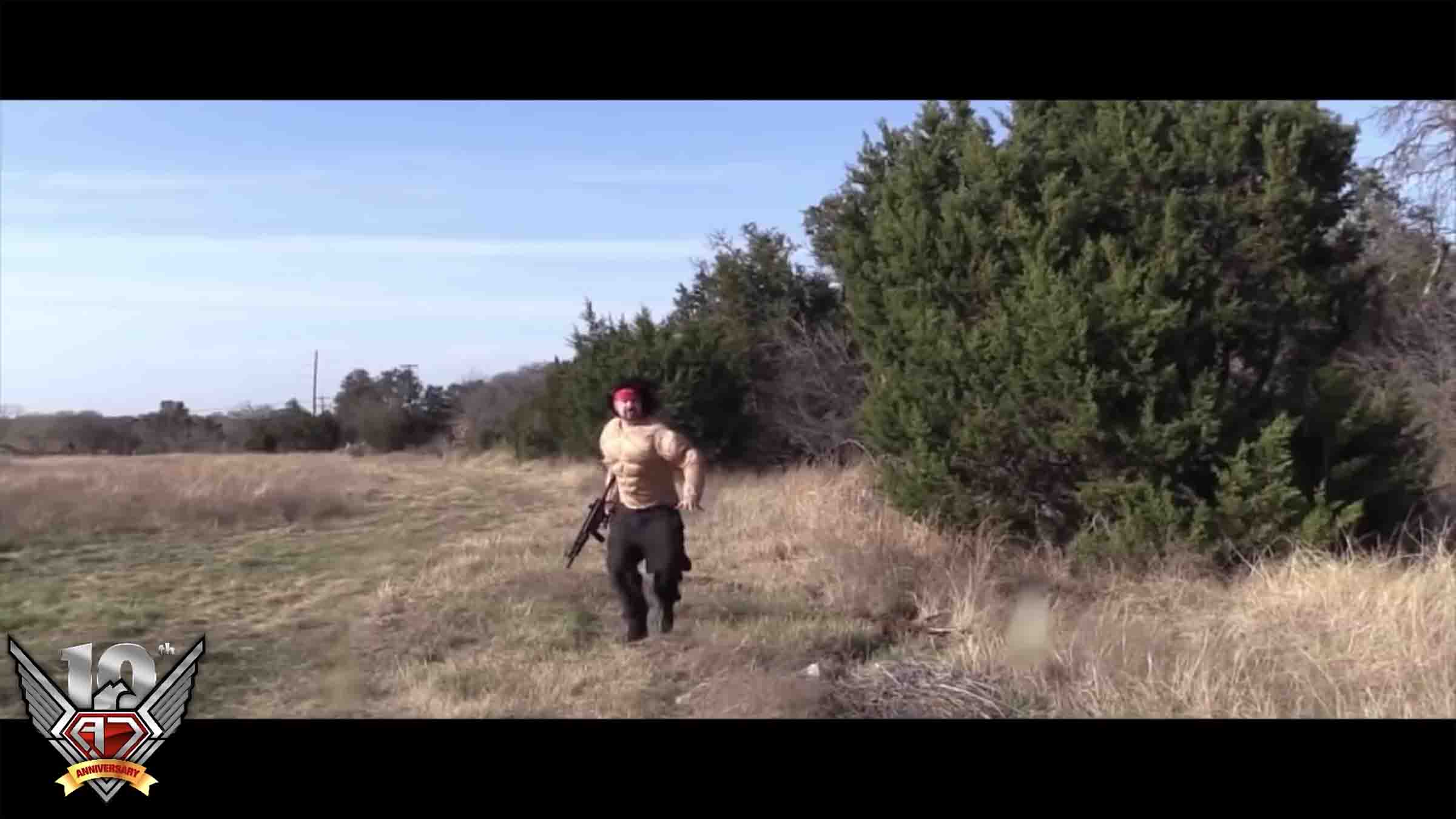
With 3 million subscribers, the AngryJoeShow is one of YouTube’s most successful gaming channels. Joe Vargas’ always includes short skits in his long-form reviews of popular video games where Joe, along with his friends, dress up as characters and act out scenes poking fun at themselves and the game.

Screenshot from the AngryJoeShow of Joe Vargas in a muscle suit
AngryJoeShow

6. No self-promotion

It’s hard to get noticed without a little help. Post your videos to popular gaming fansites such as Reddit and NeoGAF. When getting your name out there, don’t spam — a sure way to turn off potential viewers and subscribers is to visit other channels to leave comments linking back to your own content. Instead, take a more holistic approach and network with other creators through conventions and meet-ups for collaborative livestreams and guest appearances. And always remind viewers to “like and subscribe” in every video.

The Co-Optional Podcast has helped launch the career of many small YouTubers. Started by TotalBiscuit along with co-hosts Jesse Cox and Dodger, the podcast regularly features game developers, small and big YouTubers, streamers, professional gamers and a variety of other guests.

Screenshot from the The Co-Optional Podcast
The Co-Optional Podcast

By avoiding these common mistakes, you’re already on your way to cultivating a successful channel with a loyal audience. Don’t let these beginner’s missteps hold your channel back.
Advertisement
Advertisement
communal
communal