
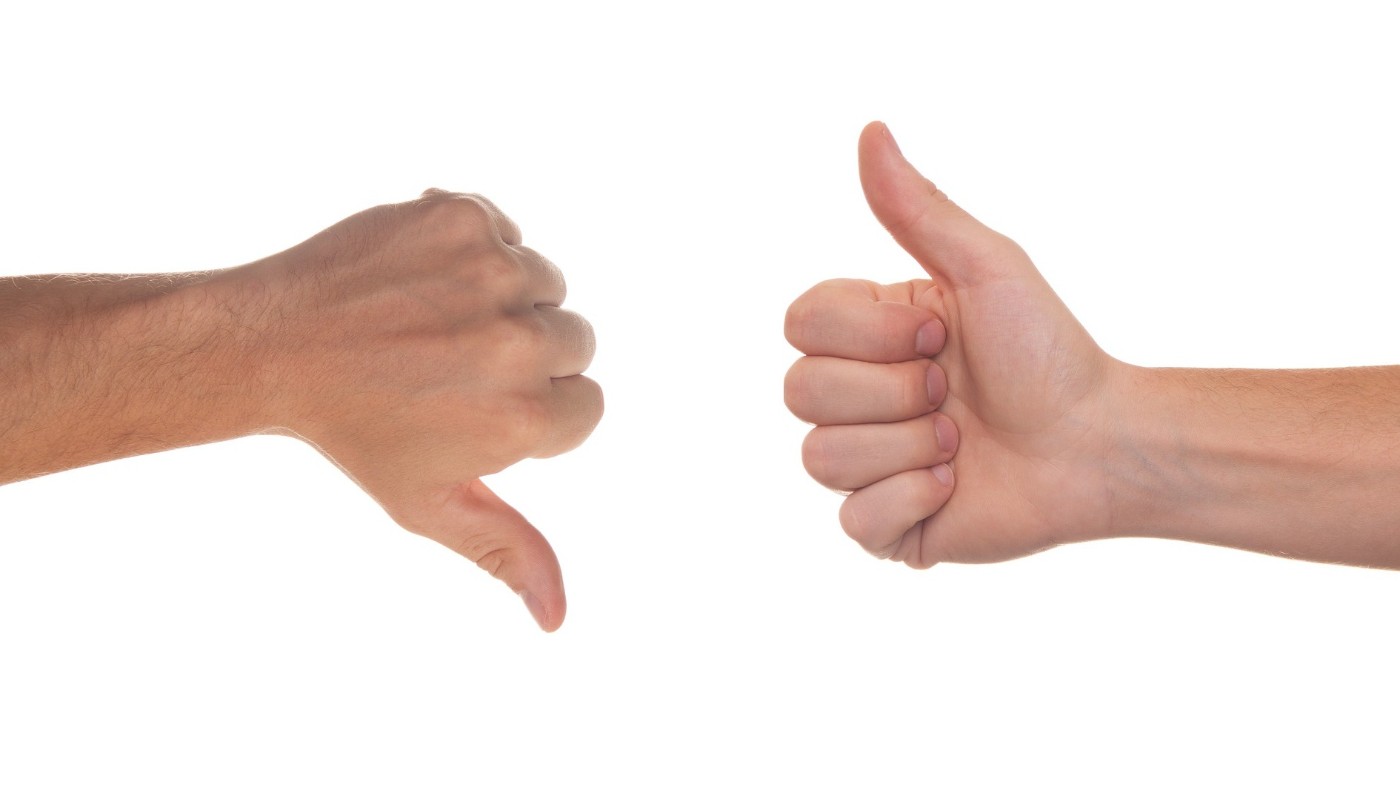
YouTube is making another change to how users interact with the dislike button, and it has sparked confusion across the platform. While some viewers feared the feature was disappearing entirely, YouTube has clarified that the change is about how creators access the button on their own videos.
A quick history of YouTube dislikes
In 2021, YouTube removed public dislike counts from videos in an effort to reduce harassment and targeted dislike attacks, particularly against smaller creators. Viewers could still dislike videos, but the total number of dislikes was no longer visible to the public.
Creators, however, could continue to view dislike counts in YouTube Studio. The data remained available as part of the platform’s analytics, giving creators another way to understand audience reactions.
Why users thought YouTube was removing dislikes
Recently, screenshots shared on Reddit and other social platforms showed the dislike button missing from its usual spot beside the Like icon. This led some users to believe YouTube was testing a complete removal of the feature. The general chaos of internet outrage and misinformation followed quickly.
The strong public reaction highlights how important the dislike button remains to many viewers. Some use it to signal that content misses the mark, while others see dislike counts as a helpful way to judge a video’s quality or credibility. Plus, losing access to this feedback could make it harder for creators to understand how audiences respond to their content.
Luckily, it’s not as cut-and-dry as it looked.
What is actually changing?
YouTube has clarified that it is not testing the removal of the dislike button for regular viewers. Instead, the platform is introducing a new interface for creators viewing their own uploaded videos, moving the Dislike option into the three-dot menu.
Also, creators can still access dislike counts through YouTube Studio. This means the data remains available alongside other channel analytics, such as watch time and audience retention.
Dislikes alone cannot explain why a viewer disliked a video, but they can be one useful signal when reviewing performance. Combined with comments and other metrics, they can help creators identify content that may need improvement.